
Do you ever experience painful canker sores that make it difficult to eat or speak? It turns out that these tiny ulcers can cause big discomfort. While most canker sores heal on their own within one to two weeks, there are certain situations where seeking medical help becomes necessary. This article will highlight the key indicators to look out for, providing you with the knowledge to know when it’s time to seek professional assistance for your canker sores.
When to Seek Medical Help for Canker Sores
Canker sores, also known as aphthous ulcers, are small painful sores that appear on the inside of your mouth, including your lips, cheeks, gums, and tongue. While most canker sores are harmless and heal on their own within one to two weeks, there are certain instances where it is important to seek medical help. In this comprehensive article, we will delve into the understanding of canker sores, their common symptoms, causes, and home remedies. We will also discuss when it is appropriate to consult a doctor, distinguish between regular canker sores and serious concerns, and highlight when immediate medical attention becomes necessary. Furthermore, we will touch upon signs of infection, persistent or recurring canker sores, and the potential underlying health conditions associated with them.
Understanding Canker Sores
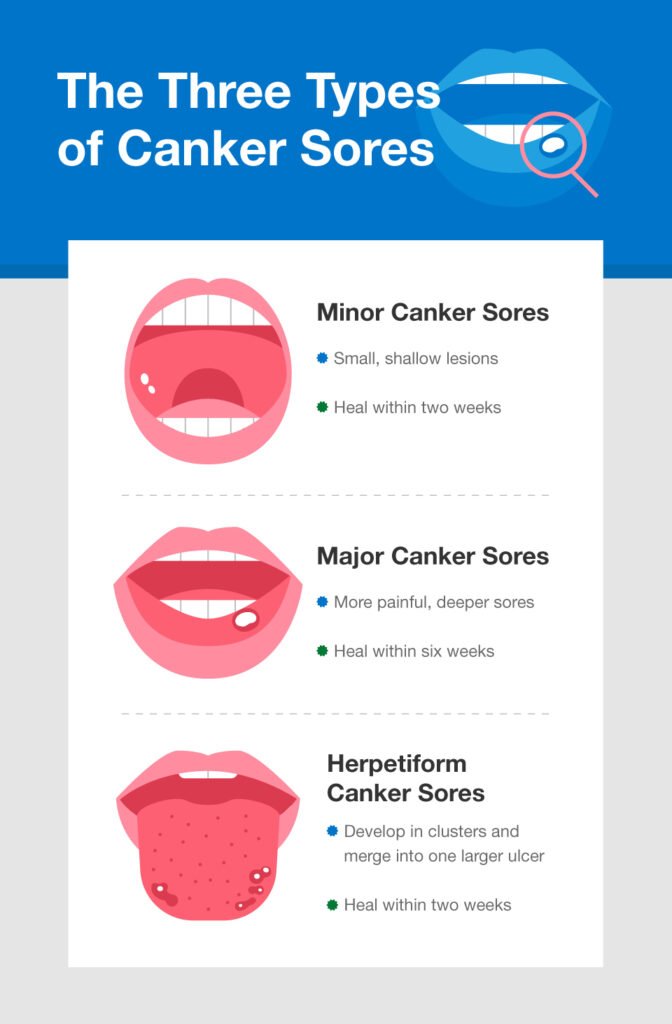
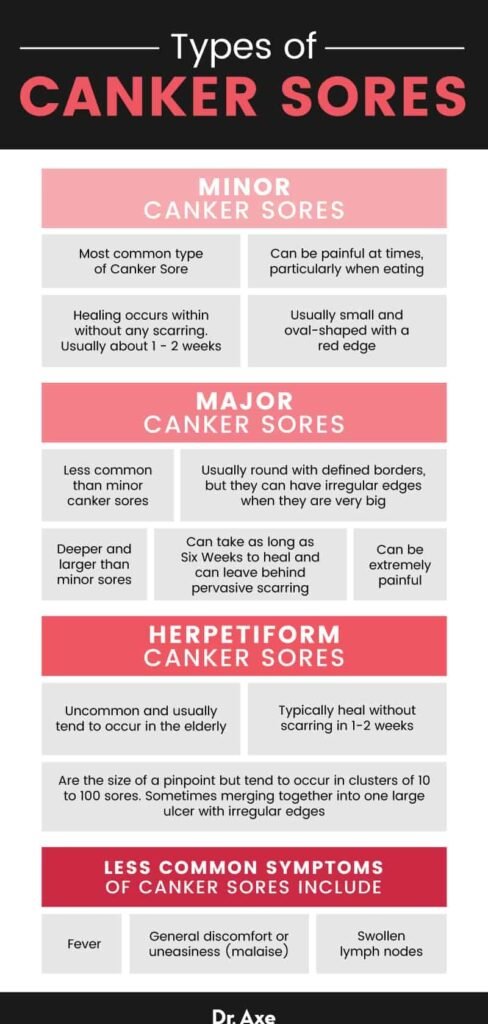
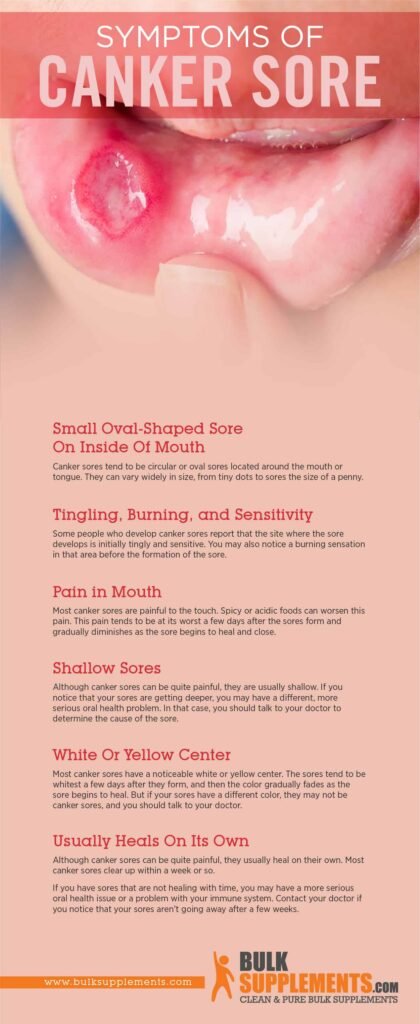
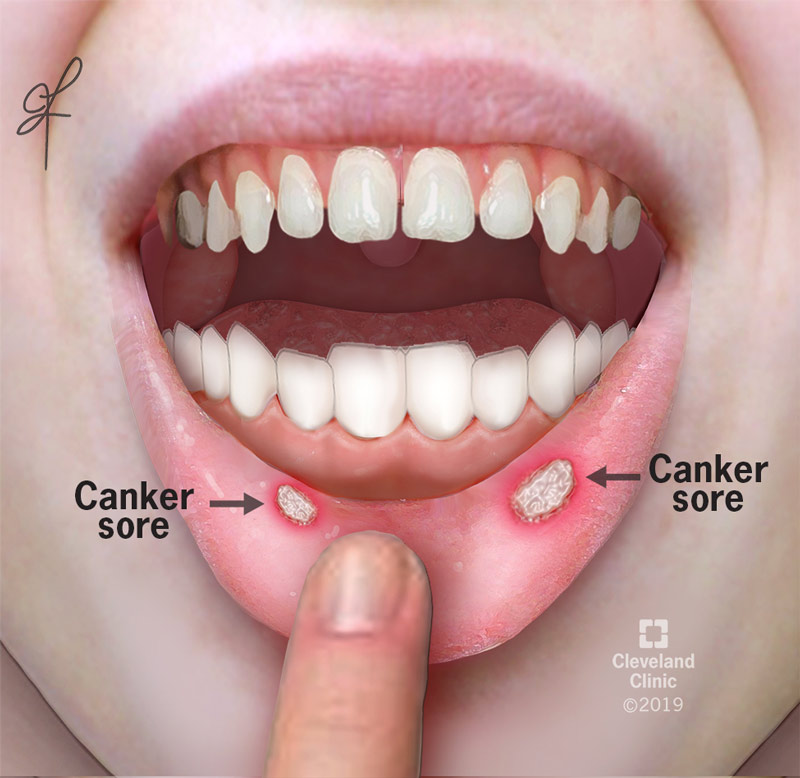
Canker sores are shallow and painful lesions that can range in size, from small and round to larger, irregularly shaped forms. They typically have a white or yellowish center with a red border surrounding them. These oral ulcers can cause discomfort, making it difficult to eat, speak, and even brush your teeth without pain. It is important to note that canker sores are different from cold sores, which are caused by the herpes simplex virus and occur on the outside of the mouth or lips. Canker sores are not contagious, whereas cold sores can be. Understanding the nature of canker sores is the first step in knowing when to seek medical help.
Common Symptoms of Canker Sores
Canker sores often come with various symptoms that can help distinguish them from other oral conditions. The primary symptom is the presence of one or more painful sores inside your mouth. These sores can be quite sensitive and may cause a burning or tingling sensation before they appear. Some individuals also experience a general feeling of discomfort or fatigue when canker sores are present. Additionally, it is not uncommon for canker sores to cause difficulty in eating or drinking acidic or spicy foods. While these symptoms are usually manageable, there are instances when medical intervention becomes necessary.
Causes of Canker Sores
The exact cause of canker sores is unknown, but several factors have been identified as potential triggers. One common cause is physical trauma to the mouth, such as accidentally biting your cheek or tongue, which can create an environment conducive to the development of canker sores. Certain foods, particularly those with a high acidity or spice content, can also irritate the mouth and contribute to their formation. Additionally, emotional stress, hormonal changes, and a weakened immune system have been linked to an increased likelihood of experiencing canker sores. Although the causes may vary, it is crucial to identify potential underlying factors that require medical attention.
Home Remedies for Canker Sores
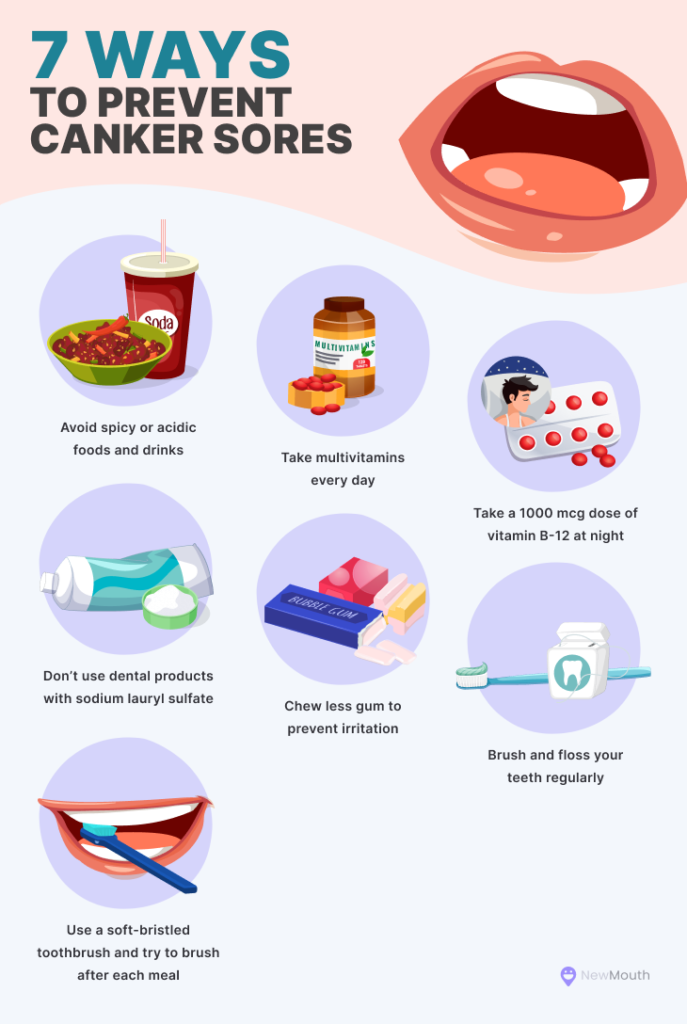
In most cases, canker sores heal on their own without requiring medical treatment. However, there are several home remedies that can provide relief and aid in the healing process. Rinsing your mouth with a solution of warm water and salt can help reduce inflammation and ease pain. Applying a small amount of over-the-counter numbing gel or ointment directly to the sore can also provide temporary relief. Avoiding acidic or spicy foods that can further aggravate the sore is recommended during the healing period. Maintaining good oral hygiene by regularly brushing your teeth and using a soft-bristled toothbrush can prevent infection and promote healing. While these remedies can be effective for most individuals, there are instances where seeking medical advice is essential.
When to Consult a Doctor
If you are unsure about the severity of your canker sore or if it persists for longer than two weeks without showing signs of improvement, it is advisable to consult a doctor. Seeking medical help is especially important if you experience severe pain, have difficulty eating or drinking, or notice any unusual changes or growths in the affected area. Your doctor will be able to assess your condition and provide appropriate guidance or treatments based on your specific needs. It is always better to be safe and seek professional advice to ensure the proper management of canker sores.
Regular Canker Sores vs. Serious Concerns
While most canker sores are harmless and resolve themselves over time, it is crucial to differentiate them from more serious conditions that may require medical attention. Regular canker sores are usually small, shallow, and self-limiting, healing within one to two weeks. They typically do not cause excessive pain or interfere significantly with daily activities. On the other hand, serious concerns may include larger, deeper ulcers, or sores that persist for an extended period and cause severe pain. If you notice any concerning changes in your canker sores, it is essential to seek medical help for proper evaluation and diagnosis.
When to Seek Immediate Medical Attention
While most canker sores do not require immediate medical attention, there are instances where prompt care is essential. If you experience excessive bleeding or your canker sore does not stop bleeding even after applying gentle pressure, you should seek immediate medical attention. Additionally, if your canker sore becomes accompanied by a high fever, swelling, or difficulty in opening your mouth, it may be indicative of a more serious infection. These symptoms could suggest an abscessed canker sore or cellulitis, a potentially dangerous bacterial infection. Seeking prompt medical attention in such cases is crucial to prevent further complications.
Signs of Infection
Canker sores, in general, do not become infected. However, there are times when an infection can develop in or around the canker sore. Signs of infection include increasing redness, swelling, or warmth around the sore area. You may also experience drainage of pus, a foul taste in your mouth, or swollen lymph nodes in your neck. If you suspect your canker sore may be infected, it is vital to seek medical attention promptly to receive appropriate treatment, which may include oral or topical antibiotics.
Persistent or Recurring Canker Sores
While most canker sores heal within a couple of weeks, some individuals may experience persistent or recurring canker sores. If you find that you have frequent outbreaks of canker sores or they last longer than usual, it is advisable to consult a doctor. Persistent or recurring canker sores may be a sign of an underlying health condition, such as an autoimmune disorder or nutritional deficiencies. By seeking medical help, you can address any potential underlying issues and explore treatment options to manage and prevent future occurrences.
Underlying Health Conditions
Canker sores can sometimes be symptomatic of underlying health conditions that require medical intervention. For instance, if you have a weakened immune system due to conditions like HIV/AIDS or chemotherapy, you may be more susceptible to developing canker sores. Additionally, certain gastrointestinal diseases, such as Crohn’s disease or celiac disease, can be associated with canker sores as well. In rare cases, canker sores may be a symptom of a more serious condition, such as oral cancer. Therefore, if you experience frequent or unusually severe canker sores, it is crucial to consult a doctor to rule out any underlying health concerns.
In conclusion, while most canker sores heal on their own without requiring medical help, there are instances where seeking professional advice becomes necessary. If you experience severe pain, have persistent or recurring canker sores, notice signs of infection, or have concerns about the severity of your condition, it is essential to consult a doctor. Prompt medical attention is also warranted if you experience excessive bleeding, high fever, swelling, or difficulty in opening your mouth. By understanding the symptoms, causes, and when to seek medical help, you can effectively manage canker sores and ensure your oral health remains in good condition.