
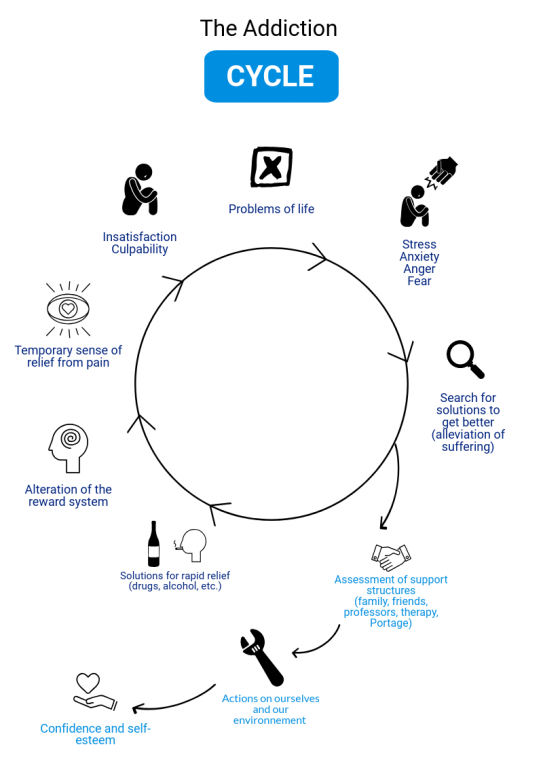
Are you tired of feeling like you’re stuck in a cycle of cannabis addiction? If so, you’re not alone. In this article, we will explore the challenges faced by individuals struggling with cannabis addiction and provide practical tips and strategies to overcome this habit. Whether you’re looking to quit for personal reasons or are seeking a healthier lifestyle, breaking the cycle is possible with the right mindset and support. So, let’s embark on this journey together and discover how you can regain control of your life.
Understanding Cannabis Addiction
Cannabis addiction refers to the compulsive use of cannabis, also known as marijuana or weed, despite negative consequences. It is important to note that not everyone who uses cannabis becomes addicted, but for those who do, it can have a significant impact on various aspects of their lives. By understanding the definition of cannabis addiction and recognizing its signs and symptoms, individuals can take the first step towards addressing this issue and seeking help.
Definition of Cannabis Addiction
Cannabis addiction, also known as cannabis use disorder, is a condition characterized by the compulsive use of cannabis despite negative consequences. It is recognized as a mental health disorder and is listed in the Diagnostic and Statistical Manual of Mental Disorders (DSM-5). Addiction to cannabis can lead to a range of physical, mental, and social problems, which we will delve into further in the following sections.
Recognizing Signs and Symptoms of Cannabis Addiction
Recognizing signs and symptoms of cannabis addiction is crucial for both individuals themselves and their loved ones. Some common signs to look out for include:
- Loss of control: Individuals may find it challenging to limit or control their cannabis use, leading to increased consumption over time.
- Neglecting responsibilities: Cannabis addiction can cause individuals to neglect their personal and professional responsibilities, such as work, school, or family obligations.
- Withdrawal symptoms: When individuals try to stop using cannabis or reduce their consumption, they may experience withdrawal symptoms like irritability, insomnia, restlessness, decreased appetite, and mood swings.
- Tolerance: Over time, individuals may find that they need to consume larger amounts of cannabis to achieve the desired effects, indicating tolerance to the substance.
- Continued use despite negative consequences: Despite experiencing negative effects on their physical health, mental well-being, and relationships, individuals with cannabis addiction continue to use marijuana.
The Impact of Cannabis Addiction
Cannabis addiction can have profound effects on various aspects of a person’s life. It is essential to understand the potential physical health effects, mental health consequences, and social and professional implications of cannabis addiction.
Physical Health Effects of Cannabis Addiction
While marijuana is often considered less harmful than other substances, long-term and excessive use of cannabis can lead to detrimental physical health effects. Some of these effects include:
- Respiratory problems: Smoking cannabis can lead to respiratory issues such as chronic cough, bronchitis, and increased risk of lung infections.
- Impaired memory and cognition: Long-term cannabis use can impact memory, attention, and cognitive function, making it difficult to concentrate and retain information.
- Cardiovascular risks: Cannabis use has been linked to an increased heart rate, and in some cases, it may raise the risk of heart attacks and strokes.
- Weakened immune system: Prolonged cannabis use can weaken the immune system, making individuals more susceptible to infections and illnesses.
Mental Health Effects of Cannabis Addiction
Cannabis addiction can also significantly impact an individual’s mental well-being. Some of the mental health effects of cannabis addiction include:
- Dependence and withdrawal: Regular use of cannabis can lead to dependence, where individuals experience cravings and withdrawal symptoms when they try to quit or reduce their use.
- Anxiety and panic disorders: Cannabis use can contribute to the development or worsening of anxiety and panic disorders, causing increased feelings of worry and fear.
- Depression and mood disorders: Marijuana use has been associated with an increased risk of depression and other mood disorders, leading to persistent feelings of sadness, hopelessness, and loss of interest in activities.
- Psychosis: In some cases, heavy and prolonged cannabis use can trigger or exacerbate psychotic disorders, such as schizophrenia, leading to hallucinations, delusions, and disorganized thinking.
Social and Professional Consequences of Cannabis Addiction
Cannabis addiction can have far-reaching social and professional consequences as well. Some of the common outcomes include:
- Relationship strain: The excessive use of cannabis can strain relationships with family, friends, and romantic partners due to increased conflict, neglect, or changes in behavior.
- Financial difficulties: Sustaining a cannabis addiction can result in financial strain, as individuals may spend a significant portion of their income on purchasing marijuana.
- Academic or work problems: Cannabis addiction may lead to a decline in academic or work performance, absenteeism, or difficulty meeting deadlines, jeopardizing one’s education or career prospects.
- Legal issues: Depending on the jurisdiction, the possession, sale, or cultivation of cannabis may be illegal, potentially leading to legal problems and associated consequences.
Breaking the Cycle: Overcoming Cannabis Addiction
While overcoming cannabis addiction may seem challenging, it is possible with the right approach and support. Breaking the cycle of addiction involves acceptance and commitment to change, building a support network, and seeking professional help when needed.
Acceptance and Commitment to Change
The first step in overcoming cannabis addiction is accepting that a problem exists and making a commitment to change. Acceptance involves acknowledging the negative impact of cannabis addiction on different areas of your life and recognizing the importance of making a change. Once you have accepted the need for change, it is essential to remain committed to your decision and stay motivated throughout the recovery journey.
Building a Support Network
Building a support network is crucial for individuals seeking to overcome cannabis addiction. Surrounding yourself with understanding and non-judgmental individuals can provide emotional support, encouragement, and accountability. Your support network can include friends, family members, support groups, or even online communities where you can share experiences, seek advice, and find inspiration from others who have successfully overcome addiction.
Seeking Professional Help
For many individuals, seeking professional help plays a vital role in the recovery process. Professionals experienced in dealing with addiction, such as addiction counselors, therapists, or psychiatrists, can provide specialized guidance and support tailored to your specific needs. They can help address underlying issues, develop coping strategies, and create a personalized treatment plan to help you overcome cannabis addiction.
Strategies for Overcoming Cannabis Addiction
In addition to acceptance, commitment, support, and professional help, several strategies can aid in the journey of overcoming cannabis addiction.
Goal Setting and Self-Reflection
Setting goals and engaging in self-reflection can provide a roadmap for recovery and promote personal growth. By setting specific, measurable, achievable, relevant, and time-bound (SMART) goals, you can track your progress and celebrate milestones along the way. Self-reflection involves introspection and examining the emotions, thoughts, and behaviors that may contribute to cannabis addiction. This self-awareness can help you identify triggers and work towards avoiding them.
Developing Coping Mechanisms
Developing healthy coping mechanisms is essential in overcoming cannabis addiction. Instead of turning to cannabis to cope with stress, anxiety, or negative emotions, individuals can learn and practice healthier ways to manage their feelings. This may include engaging in relaxation techniques such as deep breathing, practicing mindfulness, engaging in hobbies or activities you enjoy, reaching out to your support network, or seeking professional help when needed.
Creating a Relapse Prevention Plan
Creating a relapse prevention plan is a vital component of overcoming cannabis addiction. A relapse prevention plan involves identifying potential triggers, high-risk situations, and developing strategies to cope with cravings and prevent relapse. This may include avoiding environments or social circles associated with cannabis use, seeking alternative activities, strengthening your support system, or seeking immediate support during moments of vulnerability.
Detoxification and Withdrawal
Detoxification and withdrawal are crucial steps in the recovery process for individuals with cannabis addiction.
Understanding the Withdrawal Process
When individuals with cannabis addiction stop using or significantly reduce their consumption, they may experience withdrawal symptoms. Common withdrawal symptoms of cannabis include irritability, anxiety, insomnia, decreased appetite, mood swings, and physical discomfort. Understanding the withdrawal process can help individuals prepare for potential challenges and seek appropriate support.
Medical Detoxification Options
In some cases, individuals may require medical detoxification to safely manage withdrawal symptoms. Medical detoxification involves receiving professional medical care during the withdrawal period to ensure physical and psychological stability. Healthcare professionals may utilize medications, such as benzodiazepines, to alleviate symptoms and provide a safer detoxification experience.
Self-Care during Detoxification
Engaging in self-care during the detoxification process is essential for the overall well-being of individuals overcoming cannabis addiction. This may include getting sufficient rest, practicing relaxation techniques, staying hydrated, eating nutritious meals, and engaging in gentle exercise or physical activity. Self-care can help alleviate withdrawal symptoms, promote a sense of well-being, and support the healing process.
Addressing Underlying Issues
Addressing underlying issues is crucial in overcoming cannabis addiction and preventing relapse. These underlying issues may be contributing factors to addiction and should be identified and addressed in a comprehensive treatment approach.
Identifying Underlying Causes for Cannabis Addiction
Identifying and understanding the underlying causes for cannabis addiction is an important step in the recovery process. Some potential underlying causes may include trauma, unresolved emotional issues, co-occurring mental health disorders, or environmental factors. By addressing these underlying causes, individuals can work towards lasting recovery and reduce the risk of relapse.
Treating Co-Occurring Mental Health Disorders
Many individuals with cannabis addiction also experience co-occurring mental health disorders, such as anxiety, depression, or post-traumatic stress disorder. It is essential to address these mental health concerns simultaneously with addiction treatment. Integrated treatment approaches that target both addiction and mental health disorders can lead to improved outcomes and a higher likelihood of sustained recovery.
Resolving Emotional Trauma
Emotional trauma may play a significant role in the development and maintenance of cannabis addiction. Addressing and resolving emotional trauma through therapy or trauma-focused interventions can aid in the recovery process. Healing emotional wounds can contribute to a sense of closure, improved emotional well-being, and reduced reliance on substances such as cannabis.
Cognitive-Behavioral Therapy
Cognitive-behavioral therapy (CBT) is a widely recognized and effective treatment approach for overcoming cannabis addiction.
Examining Thought Patterns and Behaviors
CBT involves examining and challenging negative thought patterns and behaviors that contribute to cannabis addiction. With the help of a therapist, individuals can identify and replace distorted thoughts and develop healthier coping strategies. By addressing these underlying cognitive and behavioral patterns, individuals can gain more control over their cravings and make positive changes in their lives.
Developing Healthier Coping Strategies
Through CBT, individuals can learn and practice healthier coping strategies to manage stress, negative emotions, and cravings. By developing new skills and techniques, such as problem-solving, assertiveness, and emotion regulation, individuals can effectively address triggers and vulnerabilities that may lead to cannabis use. These coping strategies provide individuals with the tools necessary for long-term recovery.
Building Resilience and Self-Esteem
CBT can also help individuals build resilience and improve self-esteem, which are essential in overcoming addiction. By challenging negative self-perceptions and building self-efficacy, individuals can develop a stronger sense of self and confidence in their ability to overcome challenges. This increased resilience and self-esteem contribute to sustained recovery and a healthier overall well-being.
Alternative Therapies
In addition to traditional therapy approaches, alternative therapies can complement the recovery process by promoting holistic well-being and providing additional tools for individuals overcoming cannabis addiction.
Mindfulness and Meditation Practices
Mindfulness and meditation practices can support individuals in managing cravings, reducing stress, and promoting overall well-being. These practices involve cultivating present-moment awareness, accepting experiences without judgment, and developing a non-reactive mindset. By incorporating mindfulness and meditation into their daily lives, individuals can effectively cope with triggers and strengthen their overall resilience.
Exercise and Physical Activity
Engaging in regular physical activity and exercise can have numerous benefits for individuals in recovery from cannabis addiction. Exercise helps reduce stress, improve mood, increase self-esteem, and enhance overall physical health. Whether it’s going for a walk, practicing yoga, or participating in team sports, incorporating exercise into a daily routine provides individuals with a positive outlet and a sense of accomplishment.
Art Therapy and Creative Outlets
Art therapy and engaging in creative outlets can serve as a form of expression and self-discovery during the recovery journey. Creating art, such as painting, drawing, or writing, allows individuals to process emotions, explore their inner selves, and gain insights into their recovery process. It also provides a constructive and healthy form of self-expression that can be used to manage stress and foster personal growth.
Supportive Aftercare
After completing a treatment program or overcoming cannabis addiction, it is vital to establish a supportive aftercare plan. Supportive aftercare can help individuals maintain their recovery and prevent relapse.
Joining Support Groups and 12-Step Programs
Support groups, such as Narcotics Anonymous (NA) or Marijuana Anonymous (MA), provide individuals with a supportive community of peers who have experienced or are currently experiencing similar struggles. These groups offer a safe space for sharing experiences, receiving guidance, and finding ongoing support throughout the recovery journey. Additionally, 12-step programs, like the renowned Alcoholics Anonymous (AA), can provide individuals with a structured approach to recovery, offering accountability and a clear pathway towards continued sobriety.
Individual Therapy Sessions
Continuing individual therapy sessions can provide ongoing support and guidance in maintaining recovery. Regular therapy sessions can help individuals address any emerging challenges, reinforce coping strategies, and address underlying issues or trauma that may arise during the recovery process. Individual therapy offers a safe and confidential space for individuals to explore their feelings, set new goals, and continue their personal growth.
Reintegration into Daily Life
Reintegrating into daily life after overcoming cannabis addiction may require some adjustments and careful planning. It is essential to establish a healthy routine, set meaningful goals, and make positive changes to support ongoing sobriety. This may involve making lifestyle changes, setting boundaries, developing healthy relationships, and finding new sources of enjoyment and fulfillment in life. A gradual and intentional reintegration process can help individuals navigate the challenges of daily life while maintaining their recovery.
The Importance of Relapse Prevention
Relapse prevention is a crucial aspect of long-term recovery from cannabis addiction. Understanding and implementing strategies to prevent relapse can significantly increase the likelihood of sustained abstinence.
Identifying Triggers and High-Risk Situations
Identifying triggers, such as specific people, places, or emotions, can help individuals anticipate high-risk situations that may lead to relapse. By being aware of these triggers, individuals can develop strategies to avoid or effectively manage them, such as changing routines, seeking support, or engaging in healthy coping mechanisms.
Strategies for Managing Cravings
Cravings are a common occurrence in the recovery process, and managing them effectively is essential in preventing relapse. Strategies for managing cravings may include practicing relaxation techniques, distracting oneself with activities or hobbies, reaching out to a support network, engaging in physical activity, or utilizing mindfulness techniques. Developing a toolkit of effective strategies can empower individuals to navigate cravings and prevent them from derailing their progress.
Continuous Self-Reflection and Growth
Maintaining continuous self-reflection and growth is crucial for individuals in recovery from cannabis addiction. By regularly reflecting on their experiences, emotions, and progress, individuals can stay connected to their recovery journey and identify areas for personal growth. Engaging in ongoing therapeutic practices, self-improvement activities, and seeking opportunities for personal development can contribute to sustained abstinence and overall well-being.
In conclusion, understanding cannabis addiction, its impact on various aspects of life, and the steps to overcoming it is crucial for individuals who want to break free from the cycle of addiction. By accepting the need for change, building a support network, seeking professional help, and implementing various strategies, individuals can successfully overcome cannabis addiction and embark on a path towards a healthier, more fulfilling life. Relapse prevention, continuous self-reflection, and growth are essential components of maintaining long-term recovery and building a brighter future free from cannabis addiction.