
Imagine your child waking up in the middle of the night, struggling to breathe and making a high-pitched, barking sound. As a parent, it can be terrifying to witness such symptoms of croup. This article will provide you with essential information on when to seek medical help for croup, highlighting the warning signs that indicate it is time to take action. From understanding the distinct cough to recognizing the signs of respiratory distress, you will gain valuable knowledge to ensure your child’s well-being during a croup episode.
When to Seek Medical Help for Croup: Warning Signs

Overview of Croup
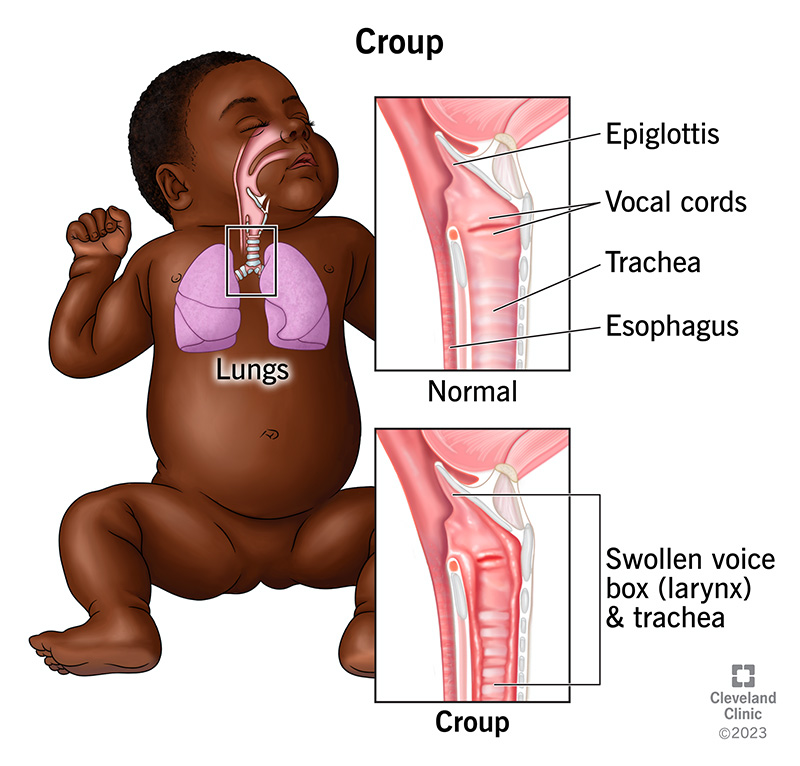
Croup is a common respiratory condition that primarily affects young children. It is characterized by inflammation of the upper airways, including the voice box (larynx) and windpipe (trachea). This inflammation leads to symptoms such as a barking cough, hoarse voice, and difficulty breathing. While most cases of croup are mild and can be managed at home, there are certain warning signs that indicate the need for immediate medical attention.
Common Symptoms of Croup
The most common symptoms of croup include a barking cough, hoarse voice, difficulty breathing, fever, noisy breathing (stridor), restlessness, and irritability. These symptoms are often worse at night and may be accompanied by a runny nose and mild cold-like symptoms. It is important to note that not all children with croup will experience all of these symptoms, and the severity can vary from case to case.

Determining Severity of Croup
Croup can be classified into three categories based on the severity of symptoms: mild croup, moderate croup, and severe croup. Mild croup typically involves a hoarse voice and a cough that sounds like a seal barking. Moderate croup includes increased difficulty breathing and a harsh, raspy cough. Severe croup is characterized by significant difficulty breathing, high fever, extreme fatigue, and a bluish or grayish color to the lips or face. It is crucial to accurately assess the severity of croup to determine the appropriate course of action.
Signs that Require Immediate Medical Attention
While mild cases of croup can be managed at home, there are certain warning signs that indicate the need for immediate medical attention. These signs include prolonged or severe difficulty breathing, a high fever, visible struggling for breath, bluish or grayish lips or face, extreme fatigue, difficulty swallowing, and the inability to speak or cry. If your child exhibits any of these symptoms, it is important to seek medical help promptly.

Advice from Healthcare Professionals
Healthcare professionals, including pediatricians and ENT specialists, emphasize the importance of early intervention in croup cases. They recommend contacting a doctor if your child’s symptoms worsen or if you have any concerns about their breathing. Telemedicine can be a valuable tool in assessing and monitoring croup, providing a convenient option to consult with healthcare providers remotely. However, if your child exhibits severe symptoms or is in respiratory distress, it is crucial to seek emergency assistance immediately.
Seeking Medical Help for Mild Cases of Croup
While mild cases of croup can often be managed at home, it is still advisable to consult with a pediatrician. A healthcare professional will evaluate your child’s symptoms, provide appropriate guidance, and prescribe any necessary medications. It is essential to closely follow the instructions provided by the doctor, even if the symptoms improve, to ensure proper recovery and prevent complications.
Treating Croup at Home
For mild cases of croup, there are several measures you can take at home to alleviate symptoms and support your child’s recovery. Maintaining a calm environment can help reduce anxiety and ease breathing. Humidifying the air with a cool mist humidifier can also provide relief by keeping the airways moist. Encouraging fluid intake, especially warm liquids, can help soothe the throat and prevent dehydration. Over-the-counter medications, such as acetaminophen or ibuprofen, can be used to alleviate discomfort and reduce fever. Additionally, home remedies like honey or throat lozenges can provide temporary relief for coughing and throat irritation.
Preventing Croup
While it may not be possible to completely prevent croup, there are measures you can take to reduce the risk of infection. Frequent handwashing, especially during cold and flu seasons, can help prevent the transmission of viruses that can cause croup. Reducing exposure to germs by avoiding close contact with people who are sick and practicing good respiratory hygiene, such as covering the mouth and nose while coughing or sneezing, can also be effective preventive measures. Ensuring that your child’s vaccinations are up to date, particularly the Haemophilus influenzae type b (Hib) and measles, mumps, and rubella (MMR) vaccines, can provide additional protection against croup. Lastly, preventing secondhand smoke exposure is essential, as it can increase the risk and severity of respiratory infections, including croup.

When to Consult a Doctor
Apart from the immediate medical attention required for severe symptoms, it is advisable to consult a doctor if your child’s symptoms persist for more than a few days, if you notice a sudden worsening of symptoms, or if you have any concerns about their overall well-being. A healthcare professional can assess the situation, provide a proper diagnosis, and recommend the most appropriate course of action to manage your child’s croup effectively.
Emergency Situations
There are certain emergency situations related to croup that necessitate immediate medical assistance. If you observe signs of respiratory distress, such as rapid breathing, retractions (pulling in of the chest walls), or wheezing, it is crucial to seek emergency help without delay. Stridor (noisy breathing) at rest, drooling or difficulty swallowing, consciousness issues, or a sudden worsening of symptoms in a previously diagnosed child should also be treated as emergencies. It is essential to trust your instincts and promptly seek medical attention in these critical situations.
By being aware of the signs and symptoms of croup and understanding when it is necessary to seek medical help, you can ensure the best possible care for your child. Prompt intervention, appropriate medical guidance, and proper management at home can help alleviate symptoms, prevent complications, and support your child’s recovery from croup. Remember, if in doubt, always consult a healthcare professional for expert advice and peace of mind.