
In this informative article, you’ll discover essential tips on how to protect your family from the contagious respiratory infection known as croup. While croup can have a significant impact on young children, recognizing the symptoms, understanding how it spreads, and implementing preventive measures can greatly reduce the risk of transmission within your household. By following these simple guidelines, you can take proactive steps to safeguard your loved ones and ensure their well-being.
Understanding Croup
What is croup?
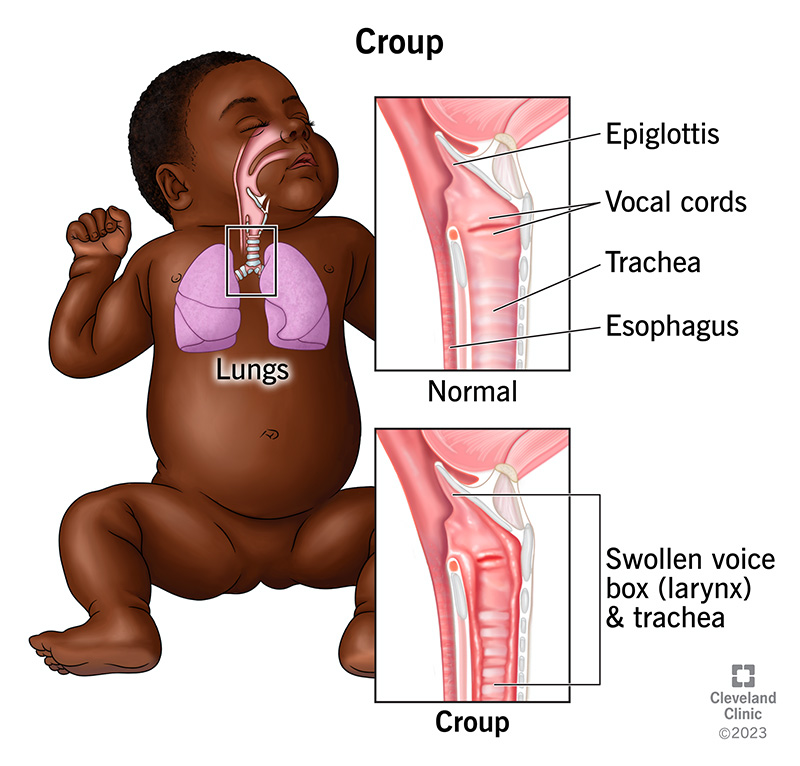
Croup is a common respiratory condition that primarily affects infants and young children. It is characterized by a hoarse, barking cough and difficulty in breathing. Croup is typically caused by a viral infection that affects the upper airways, specifically the larynx (voice box) and trachea (windpipe). While most cases of croup are mild and can be managed at home, severe cases may require medical intervention.
Causes of croup
Croup is primarily caused by viral infections, most commonly by a group of viruses known as the parainfluenza viruses. Other viruses, such as respiratory syncytial virus (RSV) and influenza, can also cause croup. These viruses are highly contagious and can easily spread from person to person through respiratory droplets when an infected individual coughs or sneezes.
Symptoms of croup
The most distinctive symptom of croup is a harsh, barking cough that often worsens at night. Other symptoms may include a hoarse voice, difficulty in breathing, a high-pitched whistling sound when inhaling (known as stridor), and a mild fever. In severe cases, the child may exhibit signs of respiratory distress, such as rapid breathing and retractions (visible sinking of the skin between the ribs or at the base of the neck).
When to seek medical assistance
While most cases of croup can be managed at home, there are certain signs that indicate the need for medical assistance. It is important to seek immediate medical attention if your child exhibits severe symptoms such as significant difficulty in breathing, bluish discoloration of the lips or face, drooling excessively, or appears extremely lethargic. It is always better to err on the side of caution and consult a healthcare professional if you are unsure about the severity of your child’s symptoms.
Modes of Transmission
Spread of croup
Croup is highly contagious and can spread easily from one person to another. The virus responsible for croup is primarily transmitted through respiratory droplets when an infected individual coughs, sneezes, or talks. These droplets can travel a short distance and infect people who are in close proximity to the infected person. It is important to note that the virus can also survive on surfaces for a brief period, increasing the risk of indirect transmission.
Common sources of infection
Croup is commonly spread among children, especially in daycare centers and schools. Since croup is caused by viral infections, crowded places with close contact between children provide an ideal environment for the virus to spread. Additionally, siblings and other household members of an infected child are also at a higher risk of contracting the infection.
Risk factors for spreading croup
Certain factors can increase the risk of spreading croup. These include inadequate hand hygiene practices, close contact with infected individuals, and exposure to contaminated surfaces. Children with weakened immune systems, such as those with underlying medical conditions or taking certain medications, may also be more susceptible to contracting and spreading croup.

Preventing Croup
Maintaining good hygiene
Practicing good hygiene is crucial in preventing the spread of croup. Encourage your family members, especially young children, to wash their hands frequently with soap and water for at least 20 seconds. Use hand sanitizers when soap and water are not readily available. Avoid touching your face, particularly your nose and mouth, as this can introduce the virus into your system if your hands are contaminated.
Practicing respiratory etiquette
Teach your child to cover their mouth and nose with a tissue or their elbow when coughing or sneezing. This helps to prevent the spread of respiratory droplets containing the virus. Discourage your child from coughing or sneezing into their hands, as this can facilitate the transmission of the virus through direct contact with surfaces or other people.
Avoiding close contact with infected individuals
If you or your child come in contact with someone who has croup or displays symptoms of a respiratory illness, it is best to avoid close contact until the individual has fully recovered. This includes avoiding unnecessary visits to crowded places and staying away from individuals who have a cough or cold symptoms.
Keeping immunizations up to date
Immunizations play a vital role in protecting against various viral infections, including those that can cause croup. Ensure that your child’s vaccinations are up to date, as recommended by your healthcare provider. Vaccinations can significantly reduce the risk of contracting and spreading contagious diseases, including croup.
Creating a Healthy Environment
Maintaining clean and germ-free surroundings
Regularly clean frequently-touched surfaces, such as doorknobs, toys, and countertops, with a disinfectant. This helps to minimize the presence of viruses on such surfaces and reduces the risk of transmission. Additionally, encourage regular handwashing, especially after using the bathroom, before meals, and after coming into contact with potentially contaminated surfaces.
Proper ventilation and air quality
Adequate ventilation is essential to maintain good indoor air quality and reduce the risk of viral infections. Ensure that your home has proper ventilation, whether through open windows, fans, or air conditioning systems. Fresh air circulation helps dilute and remove respiratory droplets, creating a healthier environment for you and your family.
Humidifiers and their role in prevention
Humidifiers can help relieve symptoms of croup by adding moisture to the air, which can soothe the irritated airways. While they are not a direct preventive measure, maintaining optimal humidity levels can contribute to overall respiratory health. However, it is important to clean and maintain humidifiers properly to prevent the growth of mold and bacteria, which can worsen respiratory symptoms.

Boosting Immunity
Ensuring a balanced diet
A well-balanced diet rich in essential nutrients is crucial for maintaining a strong immune system. Include a variety of fruits, vegetables, lean proteins, whole grains, and healthy fats in your family’s meals. These foods provide the necessary vitamins, minerals, and antioxidants that support immune function and overall wellness.
Encouraging regular exercise
Regular physical activity helps to boost the immune system and promote overall health. Engage in age-appropriate activities as a family, such as walking, biking, or playing in the park. Exercise improves circulation, which allows immune cells to travel efficiently throughout the body, enhancing their ability to fight off infections.
Sufficient sleep and rest
Adequate sleep is vital for a strong immune system. Ensure that your child gets the recommended hours of sleep each night, depending on their age. Establish a consistent bedtime routine to promote a restful sleep environment. Additionally, prioritize rest and relaxation for yourself and encourage your family members to take breaks when needed, as fatigue can weaken the immune system.
Recognizing Early Symptoms
Identifying a croup cough
A croup cough is typically described as a harsh, barking cough that sounds similar to a seal or a dog. It often occurs in episodes and is most common at night. If your child develops a hoarse, barking cough, particularly if it is accompanied by other symptoms such as difficulty in breathing or stridor, they may be experiencing croup.
Knowing the signs of respiratory distress
In severe cases of croup, the child may exhibit signs of respiratory distress. This can include rapid or difficult breathing, retractions (visible sinking of the skin between the ribs or at the base of the neck) with each breath, and bluish discoloration of the lips or face. If you observe any of these symptoms, seek immediate medical attention.
Monitoring for fever and other associated symptoms
While not all children with croup develop a fever, it can be a common symptom. Monitor your child’s temperature and note any other associated symptoms such as nasal congestion, sore throat, or fatigue. If their temperature rises significantly or they experience worsening symptoms, consult a healthcare professional.

Managing Croup at Home
Providing extra comfort and rest
When your child has croup, providing them with extra comfort and rest is important. Encourage them to rest and avoid activities that can exacerbate their symptoms. Offer soothing activities such as reading books, watching movies, or engaging in quiet play.
Using a humidifier or steamy bathroom
A humidifier can help alleviate croup symptoms by adding moisture to the air and reducing airway inflammation. Place a cool-mist humidifier in your child’s room, especially during sleep, to soothe their respiratory passages. Alternatively, you can create a steamy environment by running a hot shower and sitting with your child in the bathroom for a few minutes.
Offering fluids and soothing, warm drinks
Encourage your child to drink plenty of fluids to stay hydrated. Warm liquids such as soups, herbal teas, and warm water with honey can help soothe their throat and reduce coughing episodes. Avoid giving them cold or icy drinks, as these can potentially worsen their symptoms.
Using over-the-counter medications with caution
Over-the-counter cough and cold medications are not recommended for children under the age of four years due to safety concerns. Always consult with a healthcare professional before giving any medication to your child. They can provide appropriate guidance on whether any medications are necessary and safe for your child’s condition.
When to Consult a Healthcare Professional
Severe symptoms that require urgent medical attention
If your child exhibits severe symptoms such as significant difficulty in breathing, bluish discoloration of the lips or face, excessive drooling, or extreme lethargy, seek immediate medical attention. These symptoms may indicate a more severe case of croup or other respiratory conditions that require urgent intervention.
Indicators of more serious respiratory problems
While most cases of croup are mild and resolve on their own, there are instances when further medical evaluation may be necessary. If your child’s symptoms worsen or persist for an extended period, they may require medical intervention. Other signs that may warrant medical attention include high fever, rapid breathing, worsening cough, or severe respiratory distress.
Treatment options and interventions
The treatment for croup depends on the severity of symptoms. Mild cases can typically be managed at home with rest, fluids, and humidified air. However, severe cases may require medical interventions such as oral or inhaled corticosteroids to reduce airway inflammation or nebulized epinephrine to relieve breathing difficulties. Your healthcare professional will determine the appropriate course of treatment based on your child’s condition.

Protecting High-Risk Individuals
Infants and young children
Infants and young children are particularly vulnerable to croup due to their underdeveloped immune systems. Take extra precautions to protect them by practicing good hygiene, maintaining a healthy environment, and avoiding close contact with individuals who have respiratory symptoms. If your child is at a higher risk for complications, consult with their healthcare provider for additional preventive measures.
Pregnant women
Pregnant women should also take steps to protect themselves from croup and other respiratory infections. Follow proper hygiene practices, maintain a healthy lifestyle, and avoid close contact with individuals who are sick. If you develop symptoms or have concerns about your health, consult with your healthcare provider for appropriate guidance and support.
Elderly individuals with weakened immune systems
Older adults, especially those with weakened immune systems, are at a higher risk of severe complications from respiratory infections such as croup. To protect elderly individuals, implement stringent infection control measures, ensure proper hygiene practices, and limit their exposure to crowded places or individuals with respiratory symptoms. Consult with their healthcare provider for guidance specific to their needs.
Handling Croup in a Daycare or School Setting
Implementing infection control measures
Daycare centers and schools play a crucial role in preventing the spread of croup among children. Implement strict infection control measures, such as frequent handwashing, sanitizing surfaces, and promoting respiratory etiquette among staff and students. Encourage sick individuals to stay home until they are fully recovered to minimize the risk of transmission.
Educating staff and parents
Educating staff members and parents about croup is vital in preventing its spread in daycare or school settings. Provide information on the symptoms, modes of transmission, and preventive measures associated with croup. This includes promoting vaccinations, respiratory etiquette, and proper hygiene practices to minimize the risk of infection.
Isolation and exclusion policies
Daycare centers and schools should have policies in place to isolate sick children and exclude them from attending until they are no longer contagious. This helps prevent further spread of croup within the facility. Communicate and enforce these policies effectively to ensure the safety and well-being of all children and staff members.
By understanding croup and implementing preventive measures, you can protect your family and create a healthy environment. By recognizing early symptoms, managing croup at home, and seeking timely medical intervention if necessary, you can ensure the well-being of your loved ones. Stay informed, practice good hygiene, and prioritize the health of your family members to minimize the impact of croup and other respiratory infections.