
Ever wondered about the global impact of Mad Cow Disease? This article will explore the ins and outs of this concerning health issue, shedding light on its potential consequences worldwide. From the origins of the disease to its transmission and the long-term effects on both human and animal populations, get ready to unravel the mysteries surrounding Mad Cow Disease and understand why it continues to be a significant concern for global health. So, fasten your seatbelts and prepare for an informative journey through the fascinating world of this infectious ailment.
Definition of Mad Cow Disease
Origin of the term
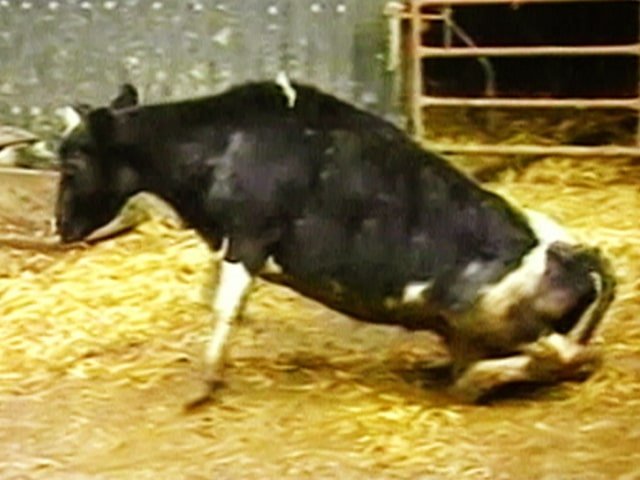
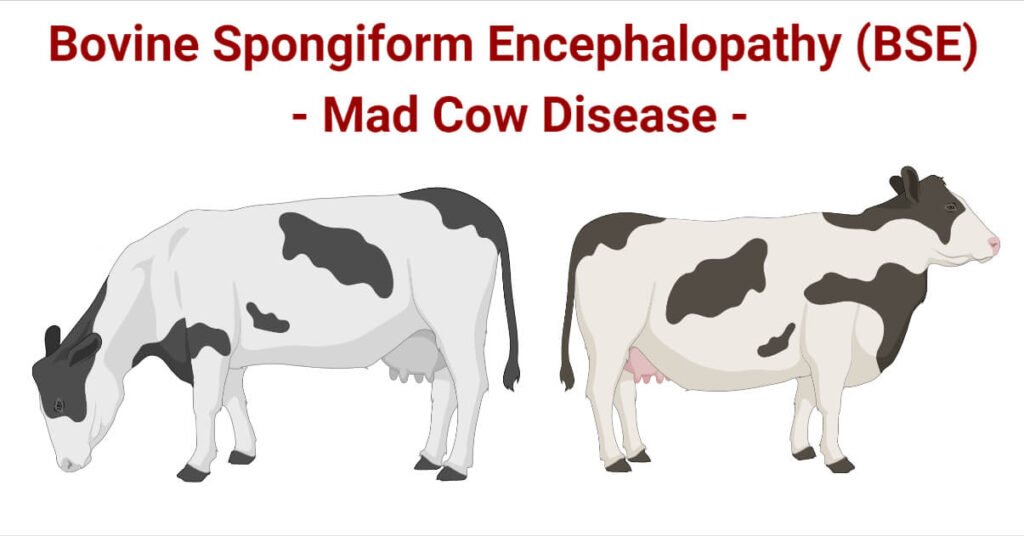
Mad Cow Disease, also known as Bovine Spongiform Encephalopathy (BSE), is a neurodegenerative disease that affects cattle. The term “Mad Cow Disease” was coined due to the erratic and aggressive behavior exhibited by infected cows. This behavior is caused by neurologic dysfunction, making the cows appear “mad” or “crazy”.
Scientific name
The scientific name for Mad Cow Disease is Bovine Spongiform Encephalopathy (BSE). This name accurately describes the condition, as “bovine” refers to cattle, “spongiform” describes the sponge-like appearance of the brain tissue in affected animals, and “encephalopathy” indicates the degeneration of the brain.
Variant Creutzfeldt-Jakob disease
Variant Creutzfeldt-Jakob Disease (vCJD) is a human disease that is closely related to BSE. It is believed to be caused by consuming beef from cows infected with Mad Cow Disease. vCJD is characterized by similar neurological symptoms as BSE and is considered a variation of the disease but affecting humans.
Causes and Transmission
Prion proteins
Mad Cow Disease is caused by abnormal proteins called prions. Prions are misfolded and infectious proteins that can cause healthy proteins to also misfold and become abnormal. In the case of BSE, these misfolded prion proteins cause damage to the brain tissue of infected cows.
Consumption of infected beef
The most common mode of transmission for Mad Cow Disease is through the consumption of infected beef. When cows consume contaminated animal parts, such as those from infected cattle or contaminated animal feed, they can become infected with BSE. If humans then consume the meat of an infected cow, they are at risk of developing the related vCJD.
Vertical transmission
Another route of transmission for Mad Cow Disease is vertical transmission, where the disease is passed from an infected mother cow to her calf. This can occur either before birth or during the process of calving. The calf is then born with the disease and can spread it to other animals through various means.
Blood transfusions
Although rare, there have been cases where Mad Cow Disease has been transmitted through blood transfusions. This highlights the importance of strict donor screening and the need for stringent measures to prevent the transmission of BSE through blood products.
Symptoms and Clinical Presentation
Initial symptoms
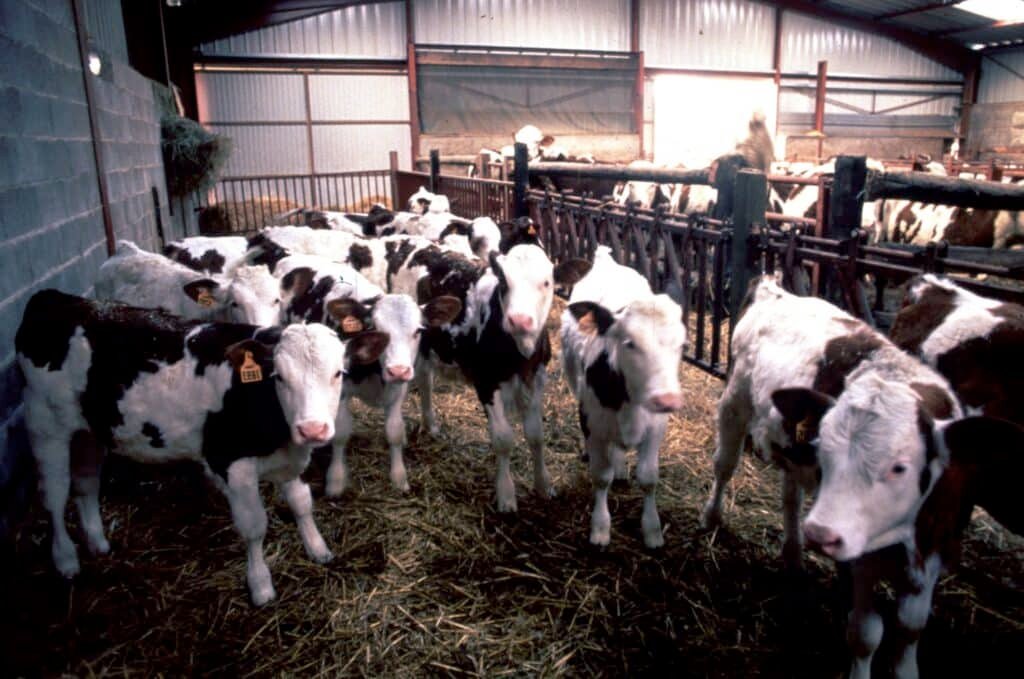
In the early stages of Mad Cow Disease, infected cows may show subtle signs such as changes in behavior, reduced milk production, or difficulty coordinating movements. These initial symptoms can easily be mistaken for other common animal ailments, making early diagnosis challenging.
Neurological symptoms
As the disease progresses, cows with Mad Cow Disease begin to exhibit more pronounced neurological symptoms. These can include unsteady gait, tremors or twitching, and loss of coordination. Affected animals may also experience difficulty standing or lying down, leading to increased falls and injuries.
Behavioral changes
One of the hallmark symptoms of Mad Cow Disease is the profound behavioral changes in affected cattle. These changes can manifest as aggressive and abnormal behavior, leading to the term “mad cow.” Infected animals may become irritable, unpredictable, and exhibit excessive jumping or excitability.
Late-stage symptoms
In the later stages of Mad Cow Disease, cows often experience severe weakness, muscle wastage, and have difficulty maintaining body weight. Additionally, they may suffer from paralysis, resulting in an inability to rise or walk. Ultimately, the disease progresses to a state of profound debilitation, leading to death or humane slaughter.
Prevalence and Distribution
First outbreak in the United Kingdom
Mad Cow Disease was first recognized in the United Kingdom in the 1980s. The outbreak was initially attributed to the practice of feeding ruminant-derived protein supplements, such as meat and bone meal, to cattle. This practice inadvertently introduced infected materials into the food chain, fueling the spread of the disease.
Cases worldwide
While the initial outbreak of Mad Cow Disease was concentrated in the United Kingdom, cases have been reported worldwide. Several countries, including the United States, Canada, and Japan, have also experienced outbreaks, albeit on a smaller scale. The disease has had a significant global impact on the beef industry and public health.
Hotspots of the disease
Certain regions have been identified as hotspots for Mad Cow Disease, with a higher prevalence of cases. These hotspots include countries such as the United Kingdom, Ireland, Portugal, and Switzerland. However, it is essential to note that the disease can occur in any country where infected animals or contaminated animal feed are present.
Public Health Impact
Human implications
Mad Cow Disease has raised significant concerns for public health due to the potential transmission of vCJD to humans. Although the number of cases of vCJD has been relatively small, the disease has high fatality rates and devastating neurological effects. It is crucial to monitor and manage the disease to protect human health.
Economic implications
The economic impact of Mad Cow Disease has been substantial. Outbreaks result in trade restrictions imposed by countries to prevent the spread of the disease. Export bans on beef from affected countries can lead to significant financial losses for the agricultural industry. Additionally, public fear and consumer perception of safety can have long-lasting economic consequences.
The impact on agriculture
Mad Cow Disease has had a profound impact on the agricultural sector. The disease has led to the culling and destruction of infected animals, causing financial losses for farmers. Additionally, stringent control measures, such as restricted animal movement and changes in feeding practices, have been implemented to minimize disease spread, affecting farming practices.
Impact on the global food industry
Mad Cow Disease has had far-reaching implications for the global food industry. The disease has sparked concerns about the safety of meat products and has prompted stricter regulations and surveillance programs. These measures aim to ensure consumer confidence and prevent the spread of BSE through contaminated food products.
Diagnosis and Testing
Clinical evaluation
Diagnosing Mad Cow Disease in cattle relies on a combination of clinical evaluation and laboratory testing. Veterinarians assess the animal’s clinical signs, including changes in behavior, gait abnormalities, and neurological symptoms. These observations help inform the decision for further testing.
Biochemical tests
Biochemical tests, such as immunohistochemistry and Western blotting, are commonly used to detect abnormal prions in brain tissue samples. These tests can identify the presence of misfolded prion proteins, providing definitive evidence of the disease.
Detection of prions in tissues
Post-mortem examination of brain tissue remains a critical component of diagnosing Mad Cow Disease. Microscopic evaluation of brain samples allows pathologists to identify the characteristic spongy appearance caused by the accumulation of misfolded prion proteins.
Surveillance programs
Many countries have implemented surveillance programs to monitor and detect cases of Mad Cow Disease within their cattle populations. These programs involve testing a representative sample of animals, including healthy, fallen stock, and animals showing clinical signs of the disease. Regular surveillance aids in early detection and helps prevent the spread of the disease.
Preventive Measures
Animal feed regulations
One of the key preventive measures is the implementation of stringent animal feed regulations. Many countries have banned or restricted the use of ruminant-derived protein supplements in animal feed. These regulations aim to minimize the risk of feeding infected materials to cattle and prevent the introduction of the disease into the food chain.
Culling and disposal of infected animals
Infected animals must be culled to prevent the further spread of Mad Cow Disease. Proper disposal methods, including incineration or rendering, ensure that infected tissues are safely destroyed, reducing the risk of contaminating animal feed or other materials.
Import and export restrictions
Countries historically affected by Mad Cow Disease often face import restrictions on cattle, beef, and beef products from other countries. Similarly, countries free from the disease may implement strict export regulations to protect their domestic cattle populations. These restrictions help prevent the introduction and spread of the disease across borders.
Public awareness and education
Public awareness and education campaigns play an essential role in preventing the transmission of Mad Cow Disease. Informing the public about the disease, its transmission routes, and safe food handling practices help individuals make informed decisions and reduce the risk of exposure.
Risk Assessment and Management
Risk factors for transmission
Various risk factors contribute to the transmission of Mad Cow Disease. Importing cattle from affected regions, using contaminated animal feed, or allowing vertical transmission are all significant risk factors. Identifying and mitigating these risks is crucial to preventing the spread of the disease.
Regulatory measures
Regulatory bodies establish and enforce measures to manage the risks associated with Mad Cow Disease. These measures include feed bans, animal movement controls, and strict surveillance programs. Robust regulatory frameworks are essential for ensuring the safety of the food supply and protecting public health.
Mitigating measures
In addition to regulatory measures, various mitigating strategies have been implemented to manage the risk of Mad Cow Disease. These measures include enhancing animal identification and tracing systems, implementing improved hygiene practices in abattoirs, and implementing rapid response plans in the event of an outbreak.
Monitoring and surveillance
Continuous monitoring and surveillance of both animal and human populations are critical components of risk assessment and management. Collecting and analyzing data on the prevalence and distribution of Mad Cow Disease allows policymakers to make informed decisions and implement appropriate control measures.
Recent Research and Discoveries
Uncovering new strains
Recent research has revealed the existence of different strains of BSE, each with varying characteristics and pathogenicity. These findings emphasize the need for ongoing surveillance and research to better understand the disease and develop effective control strategies.
Treatment advancements
While there is currently no effective treatment for Mad Cow Disease, ongoing research is focused on developing targeted therapies to slow or halt disease progression. Promising advances in gene therapy and the identification of potential drug targets offer hope for future treatment options.
Detection methods
Advancements in diagnostic techniques have led to the development of more sensitive and reliable tests for Mad Cow Disease. This includes the use of new biomarkers and the improvement of existing laboratory methods, enabling quicker and more accurate detection of the disease.
Understanding disease progression
Recent studies have deepened our understanding of the pathogenesis and progression of Mad Cow Disease. Researchers continue to investigate how prions spread and accumulate in the brain and the factors that influence disease development. This knowledge is crucial for the development of effective prevention and control strategies.
Future Outlook and Challenges
Global efforts for eradication
Despite significant progress, the eradication of Mad Cow Disease remains a global challenge. Ongoing collaboration between countries, international organizations, and researchers is vital to develop and implement comprehensive control strategies. Global efforts aim to prevent further outbreaks and safeguard both human and animal health.
Social and cultural challenges
Addressing Mad Cow Disease involves navigating various social and cultural challenges. Public perception, consumer confidence, and the acceptance of control measures can significantly impact the effectiveness of disease management strategies. Education, outreach, and open communication are essential to overcome these challenges.
Scientific advancements
The field of Mad Cow Disease research continues to evolve, driven by advancements in scientific knowledge and technology. Continued investment in research will contribute to greater understanding of the disease, improved diagnostics, and the development of novel approaches for prevention and treatment.
Collaborative initiatives
To effectively address the challenges posed by Mad Cow Disease, collaboration among different stakeholders is essential. Governments, regulatory bodies, scientists, farmers, and consumer organizations must work together to share knowledge, expertise, and resources. Collaborative initiatives ensure a coordinated and unified response to this global health concern.
In conclusion, Mad Cow Disease is a significant global health concern with far-reaching implications for public health, agriculture, and the food industry. Through preventive measures, risk assessment and management, ongoing research, and collaborative efforts, the aim is to eradicate the disease and protect both animal and human populations. Continued vigilance and a multifaceted approach are essential to effectively tackle and overcome this challenge.