
Are you concerned about the recent outbreak of MERS-CoV and wondering how it spreads, what symptoms to look out for, and how to protect yourself? Look no further! In this article, we will explore the causes, symptoms, and prevention methods of MERS-CoV, providing you with all the information you need to stay safe and informed. So, let’s delve into the world of MERS-CoV and arm ourselves with knowledge to combat this infectious disease.
Causes of MERS-CoV Outbreak
Origin of MERS-CoV
MERS-CoV, also known as Middle East Respiratory Syndrome Coronavirus, was first identified in Saudi Arabia in 2012. The exact origin of the virus is still unclear, but it is believed to have originated in bats and subsequently transmitted to humans through an intermediate host, possibly camels. This zoonotic transmission is a common occurrence for many coronaviruses and highlights the importance of understanding the interactions between humans, animals, and the environment in order to prevent future outbreaks.
Modes of Transmission
The primary mode of transmission for MERS-CoV is through close contact with an infected individual. This can occur through respiratory droplets when an infected person coughs or sneezes, or through direct contact with respiratory secretions. It is also possible for the virus to spread through contact with surfaces or objects contaminated with the virus. While human-to-human transmission is the most common, there have been cases of limited human-to-human transmission in healthcare settings and in households.
Risk Factors
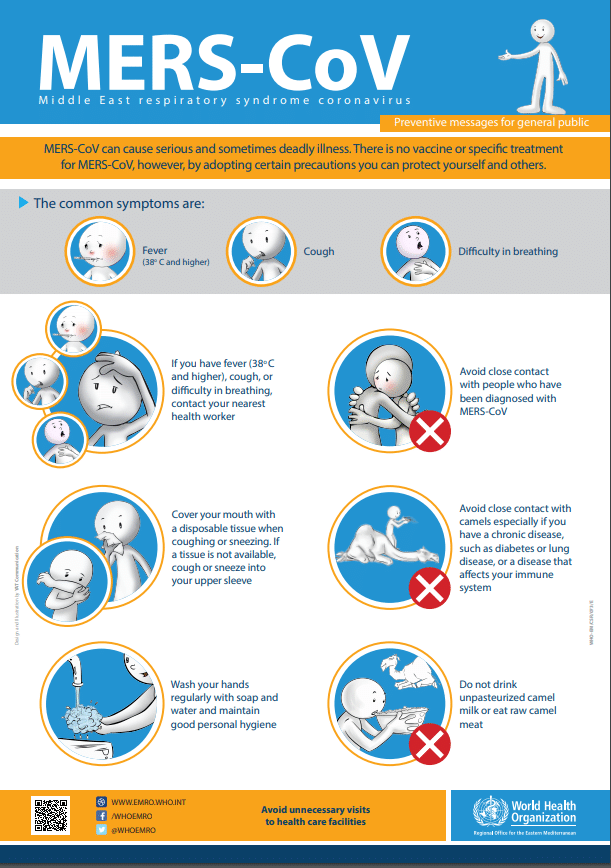
Certain factors can increase the risk of MERS-CoV transmission and infection. These include close contact with camels or camels’ products, such as raw camel milk, and visiting markets where camels are present. People with underlying medical conditions, such as diabetes, chronic lung disease, and kidney failure, are at a higher risk of developing severe symptoms if infected with MERS-CoV. Additionally, healthcare workers who come into contact with MERS-CoV patients are at an increased risk of infection if appropriate infection control measures are not followed.
Symptoms of MERS-CoV Infection
Early Symptoms
In the early stages of MERS-CoV infection, the symptoms may resemble those of a common cold or flu. These early symptoms may include fever, cough, sore throat, and body aches. Some individuals may also experience gastrointestinal symptoms such as diarrhea. It is important to note that not all individuals infected with MERS-CoV will develop symptoms, and some may remain asymptomatic or have mild symptoms only.
Progression of Symptoms
As the infection progresses, more severe respiratory symptoms can develop. These may include difficulty breathing, shortness of breath, and chest pain. Some individuals may also experience pneumonia, which can be life-threatening, especially in those with underlying medical conditions. In severe cases, MERS-CoV infection can lead to respiratory failure, kidney failure, and even death.
Complications
MERS-CoV infection can lead to various complications, particularly in individuals with weakened immune systems or underlying health conditions. These complications may range from pneumonia and respiratory failure to organ failure and secondary infections. It is important for individuals who suspect they have been exposed to MERS-CoV or are experiencing symptoms to seek medical attention promptly to prevent the progression of the disease and reduce the risk of complications.
Diagnosis and Treatment of MERS-CoV
Diagnostic Tests
The diagnosis of MERS-CoV infection is typically made through laboratory testing. The most common diagnostic tests include polymerase chain reaction (PCR) tests, which detect the genetic material of the virus, and antibody tests, which detect the presence of antibodies produced by the immune system in response to the virus. These tests are usually performed on respiratory samples, such as nasal swabs or sputum, and are conducted in specialized laboratories.
Treatment Options
Currently, there is no specific antiviral treatment available for MERS-CoV infection. Treatment mainly focuses on relieving the symptoms and providing supportive care. This may include measures such as rest, hydration, and over-the-counter pain and fever medications. In severe cases, hospitalization may be required, and supportive treatments, such as oxygen therapy and mechanical ventilation, may be necessary to assist with breathing.
Supportive Care
Supportive care plays a crucial role in the management of MERS-CoV infection. This includes monitoring vital signs, ensuring adequate hydration, and providing respiratory support when needed. In severe cases, intensive care may be required to address complications and provide specialized treatment. Additionally, individuals who have been in close contact with someone confirmed to have MERS-CoV should be monitored and tested to prevent further transmission of the virus.
Prevention and Control Measures
General Prevention Tips
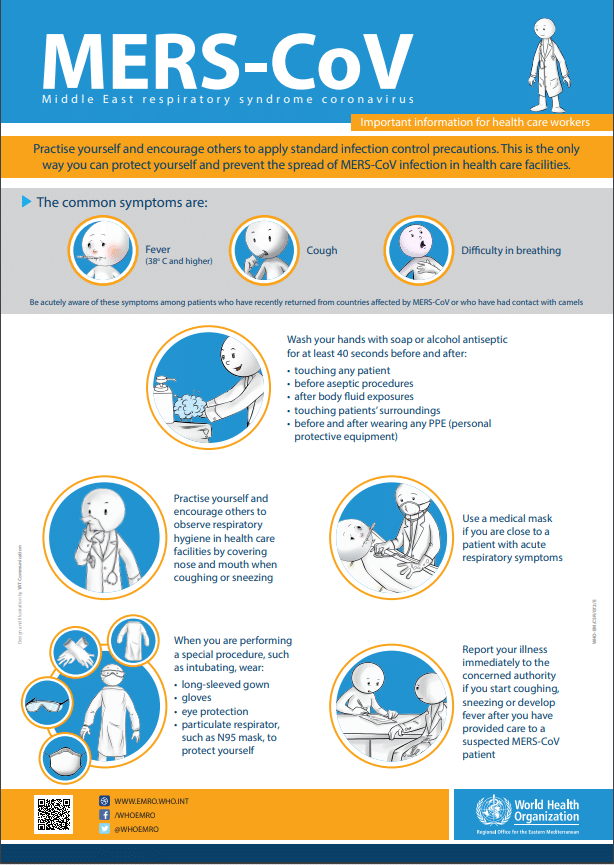
Preventing the transmission of MERS-CoV involves practicing good hygiene and taking necessary precautions. It is important to frequently wash your hands with soap and water for at least 20 seconds, especially after coughing, sneezing, or coming into contact with surfaces that may be contaminated. Avoid close contact with individuals who are sick, and cover your mouth and nose with a tissue or your elbow when coughing or sneezing. Regularly disinfect frequently touched surfaces, and wear a mask in crowded public places or healthcare settings.
Healthcare Setting Measures
In healthcare settings, strict infection control measures are crucial to prevent the spread of MERS-CoV. This includes the appropriate use of personal protective equipment (PPE), such as masks, gloves, and gowns, when caring for suspected or confirmed MERS-CoV patients. Standard precautions, such as hand hygiene and proper disinfection practices, should also be strictly followed. Isolation of suspected or confirmed cases and active surveillance for potential cases can help contain the spread within healthcare facilities.
Travel-related Precautions
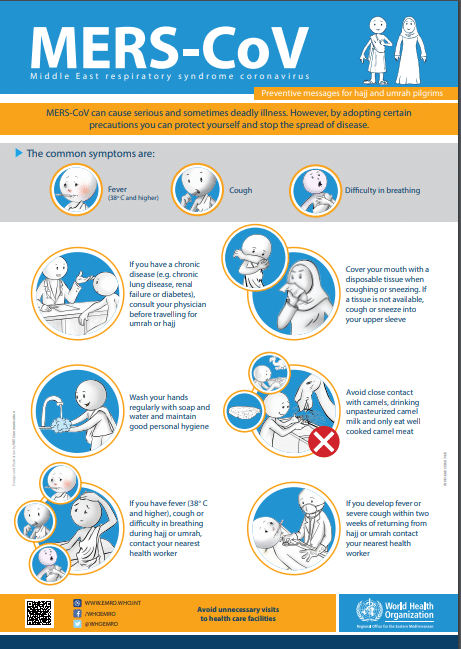
When it comes to travel-related precautions, individuals should stay informed about MERS-CoV outbreaks and follow the recommendations of public health authorities. It is advisable to avoid non-essential travel to areas with ongoing outbreaks. If travel is necessary, individuals should take precautions such as practicing good hygiene, avoiding close contact with infected individuals, and avoiding contact with animals, particularly camels. It is also important to monitor yourself for symptoms and seek medical attention promptly if you develop any signs of MERS-CoV infection.
In conclusion, understanding the causes, symptoms, and prevention measures of MERS-CoV is crucial in preventing and controlling outbreaks. By implementing general preventive measures, following healthcare setting guidelines, and taking travel-related precautions, we can all contribute to reducing the risk of MERS-CoV transmission and protecting our communities. Stay informed, practice good hygiene, and seek medical attention if needed. Together, we can limit the impact of MERS-CoV and safeguard our health.
