
Ladies and gentlemen, imagine a world where infectious diseases are no longer a dreaded threat, where a simple cough or sneeze does not fill us with apprehension. Well, it seems that this world might not be too far away. With remarkable advancements in MERS-CoV research, promising treatment approaches are bringing hope and optimism to the medical community. As scientists and healthcare professionals tirelessly work to combat the Middle East Respiratory Syndrome Coronavirus, they are uncovering potential breakthroughs that could lead to a brighter, healthier future for us all. So, let’s take a closer look at the latest developments in MERS-CoV research and the exciting treatment possibilities that lie ahead.
Advancements in MERS-CoV Research: Promising Treatment Approaches
Understanding MERS-CoV
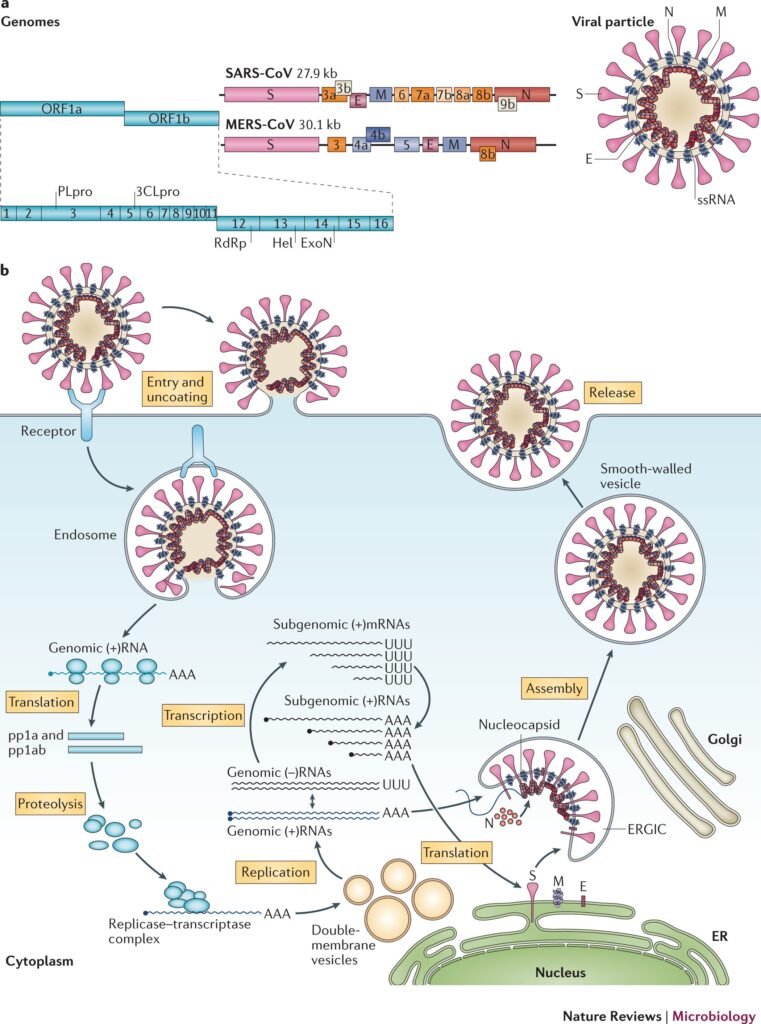
MERS-CoV, also known as Middle East Respiratory Syndrome Coronavirus, is a viral respiratory illness that was first identified in Saudi Arabia in 2012. The virus belongs to the same family as the common cold and severe acute respiratory syndrome (SARS). It is primarily transmitted from dromedary camels to humans, though limited human-to-human transmission has also been reported.
Current Treatment Approaches
Currently, there are no specific antiviral treatments approved for MERS-CoV. The management of MERS-CoV cases primarily focuses on supportive care to relieve symptoms and prevent complications. This includes providing oxygen therapy, fluid replacement, and adequate rest. However, researchers and scientists have made significant advancements in developing potential treatment approaches that hold promise in combating this virus.
Advancements in Antiviral Therapies
-
Development of Monoclonal Antibodies: Monoclonal antibodies are laboratory-produced molecules that can target specific viruses or viral proteins. Researchers are exploring the use of monoclonal antibodies to neutralize the MERS-CoV virus and prevent it from infecting human cells. Early studies have shown promising results, with some monoclonal antibodies demonstrating potent antiviral activity in preclinical models.
-
Utilizing Convalescent Plasma: Convalescent plasma therapy involves using blood plasma from individuals who have recovered from MERS-CoV infection. This plasma contains antibodies that can help fight the virus. Initial studies have suggested that convalescent plasma may improve clinical outcomes in MERS-CoV patients, although further research is needed to determine its effectiveness.
-
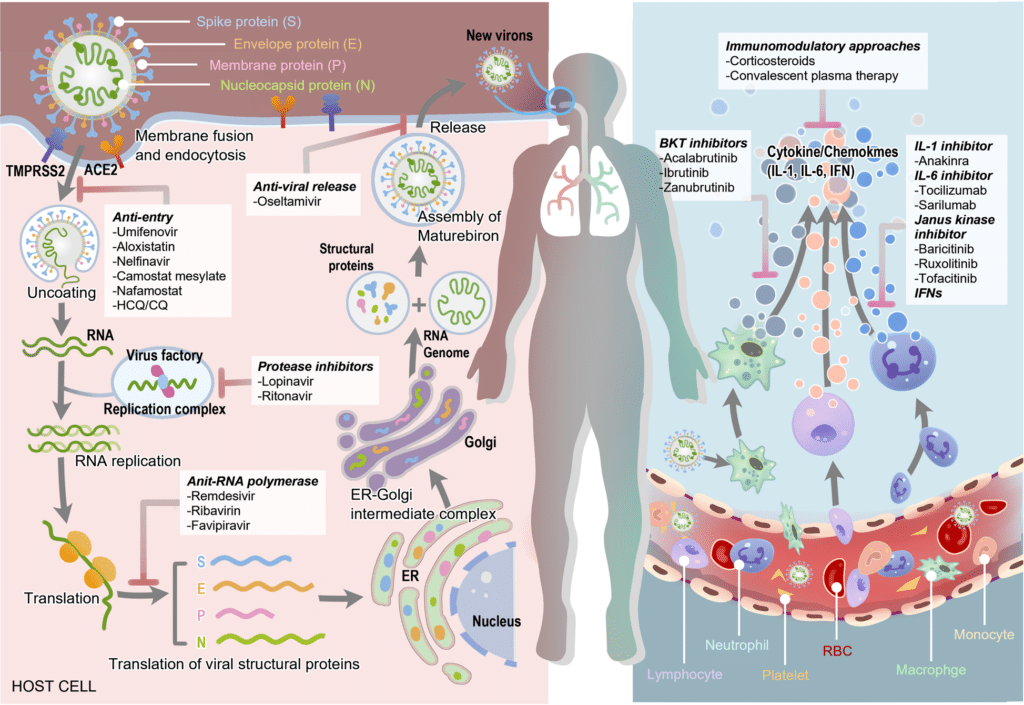
Repurposing Existing Antiviral Drugs: Scientists have been investigating the potential of repurposing existing antiviral drugs, originally developed for other viral infections, to treat MERS-CoV. Examples include drugs used to treat HIV and hepatitis C. These drugs can inhibit viral replication and may prove effective against MERS-CoV as well. Several ongoing clinical trials are evaluating the safety and efficacy of repurposed antiviral drugs in MERS-CoV patients.
-
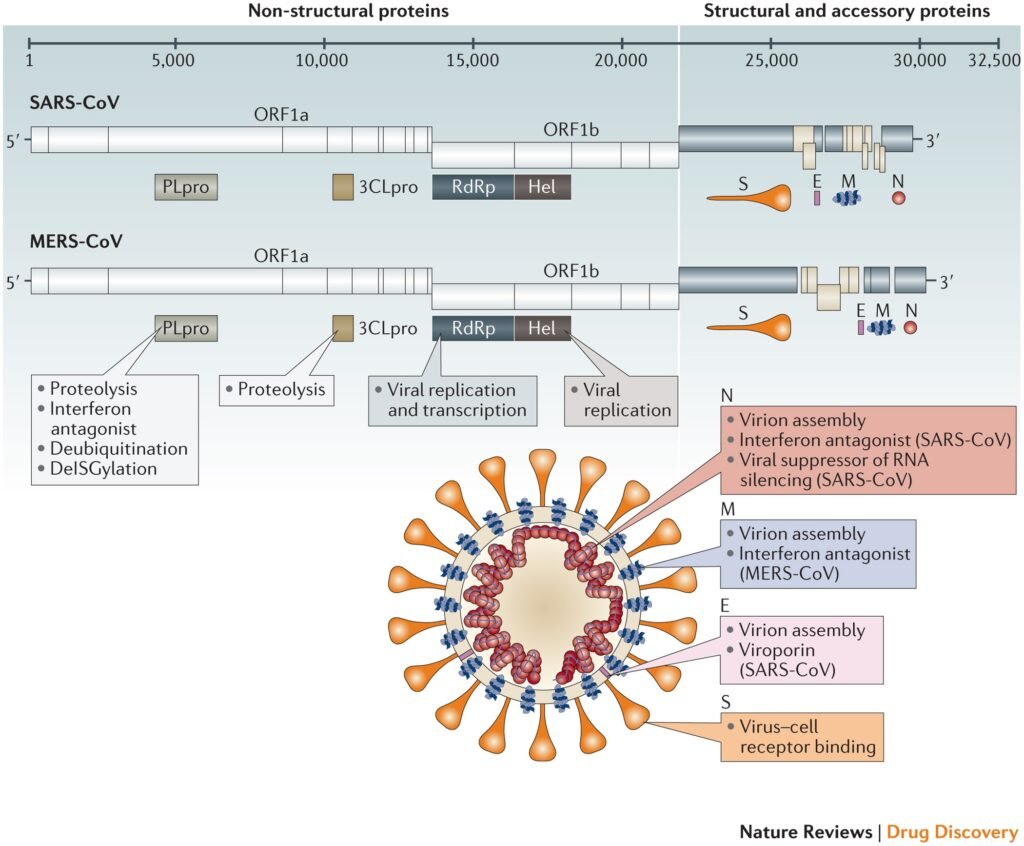
Targeting Viral Proteases: Viral proteases are enzymes that play a crucial role in the replication of viruses, including MERS-CoV. Inhibiting these proteases can disrupt viral replication and potentially halt the progression of the disease. Researchers are exploring various strategies, such as small molecule inhibitors and peptide-based drugs, to target these viral proteases and develop effective therapeutics.
Advancements in Vaccines
-
Inactivated Vaccines: Inactivated vaccines use a killed or inactivated version of the virus to stimulate the immune system and provide protection against the disease. Several inactivated vaccine candidates against MERS-CoV are currently being developed and tested in preclinical and clinical trials. These vaccines hold promise in preventing MERS-CoV infection in individuals at risk.
-
mRNA Vaccines: Messenger RNA (mRNA) vaccines are a novel approach to vaccination that involves introducing genetic material encoding specific viral proteins into the body. This genetic material instructs our cells to produce these viral proteins, triggering an immune response. mRNA vaccines have shown great success in the development of COVID-19 vaccines, and efforts are underway to adapt this technology for MERS-CoV.
-
Viral Vector Vaccines: Viral vector vaccines use a harmless virus, such as an adenovirus, to deliver genetic material from MERS-CoV to human cells. This genetic material triggers an immune response, leading to the production of protective antibodies. Several viral vector vaccine candidates targeting MERS-CoV are currently in preclinical and clinical trials, showing promising results.
-
DNA-Based Vaccines: DNA-based vaccines involve introducing a small, circular piece of DNA encoding viral proteins into human cells. This DNA is then translated into viral proteins, stimulating an immune response. DNA-based vaccines have been successful in animal studies and are being explored as a potential vaccine strategy for MERS-CoV.
Advancements in Immune Response Modulators
-
Interferons: Interferons are naturally occurring substances produced by the immune system to combat viral infections. Researchers are studying the use of interferons as immune response modulators in MERS-CoV treatment. By boosting the body’s natural defense mechanisms and suppressing viral replication, interferons may help control the progression of the disease.
-
Toll-Like Receptor Agonists: Toll-like receptors (TLRs) are proteins found on immune cells that recognize specific molecules present on pathogens, including viruses. Activation of TLRs triggers the immune response. Scientists are investigating the use of TLR agonists as immune response modulators to enhance the host’s ability to eliminate MERS-CoV and reduce disease severity.
-
Inhibitors of Pro-inflammatory Cytokines: During MERS-CoV infection, there is an excessive release of pro-inflammatory cytokines, contributing to the disease’s severity. Inhibitors targeting these cytokines, such as interleukin-6 (IL-6) inhibitors, are being explored as potential therapeutics for MERS-CoV. By dampening the inflammatory response, these inhibitors may prevent further damage to the lungs and improve patient outcomes.
Potential Therapeutic Approaches in Development
-
RNA Interference: RNA interference (RNAi) is a biological process that regulates gene expression. Researchers are investigating the use of RNA interference to silence specific genes involved in MERS-CoV replication. By targeting viral genes with RNAi, scientists hope to develop therapeutics that can effectively inhibit viral replication and limit the spread of the infection.
-
CRISPR-based Therapies: CRISPR, a revolutionary gene-editing technology, has shown promise in treating various genetic disorders. Scientists are exploring the potential of CRISPR-based therapies in targeting specific genes in MERS-CoV to disrupt its replication or enhance the host’s immune response. Although still in the early stages of development, CRISPR-based therapies hold tremendous potential for combating MERS-CoV.
-
Nanotechnology-based Treatments: Nanotechnology involves manipulating matter at the nanoscale, enabling the development of novel drug delivery systems and diagnostics. Scientists are exploring the use of nanotechnology-based treatments for MERS-CoV, including targeted delivery of antiviral drugs or vaccines directly to the respiratory system. These innovative approaches may enhance treatment efficacy and minimize side effects.
Conclusion
While there is currently no specific antiviral treatment or vaccine approved for MERS-CoV, significant strides have been made in researching potential treatment approaches. Advancements in antiviral therapies, vaccines, and immune response modulators hold promise in combating MERS-CoV and improving patient outcomes. Ongoing research, clinical trials, and collaborations among scientists, clinicians, and public health authorities are crucial in developing effective treatments and strategies to prevent the transmission and minimize the impact of MERS-CoV. With continued efforts and advancements, the future of MERS-CoV treatment looks hopeful.