
In this article, we will explore the numerous resources and organizations available to support individuals affected by Motor Neurone Disease (MND). From support groups to medical research foundations, these invaluable resources offer assistance, information, and a sense of community for those living with MND and their loved ones. By highlighting the crucial work being done in the field, we hope to shed light on the various avenues of support that are available to help navigate this challenging journey.
Understanding Motor Neurone Disease
Motor Neurone Disease (MND), also known as amyotrophic lateral sclerosis (ALS), is a progressive neurodegenerative disease that affects the nerve cells responsible for controlling voluntary muscle movement. It is a rare condition that primarily affects the muscles used for breathing, swallowing, and speaking. While the exact cause of MND is unknown, research suggests a combination of genetic and environmental factors may play a role in its development. MND gradually worsens over time, ultimately leading to muscle weakness, paralysis, and in some cases, respiratory failure. It is important to understand the causes, symptoms, and diagnosis of MND in order to provide appropriate support and care to those affected.
Causes of Motor Neurone Disease
The exact causes of MND are still not fully understood. However, scientists and researchers believe that a combination of genetic and environmental factors contribute to its development. In some cases, MND may be inherited through genetic mutations. These mutations can affect genes responsible for the production of proteins that support the health and function of motor neurons. Environmental factors, such as exposure to certain toxins or chemicals, may also contribute to the onset of MND. Research is ongoing to better understand the complex relationship between these factors and the development of MND.
Symptoms of Motor Neurone Disease
MND presents with a variety of symptoms that typically begin with muscle weakness or stiffness. As the disease progresses, individuals may experience difficulty with coordination, slurred speech, difficulty swallowing, and shortness of breath. Muscle cramps, twitching, and weight loss are also common symptoms. It is important to note that symptoms can vary from person to person, and the rate of progression can differ as well. Early recognition and diagnosis of these symptoms are crucial to ensuring timely and appropriate medical intervention and support.
Diagnosis of Motor Neurone Disease
Diagnosing MND can be challenging due to its similarities to other neurological conditions. It often requires a comprehensive evaluation by a neurologist experienced in MND diagnosis and management. The diagnostic process typically involves a thorough medical history, physical examination, and various tests such as electromyography (EMG) and nerve conduction studies. Magnetic resonance imaging (MRI) and other imaging tests may also be used to rule out other potential causes of symptoms. It is important for individuals experiencing symptoms consistent with MND to seek medical attention promptly to facilitate an accurate diagnosis and initiate timely treatment and support.
Medical Treatment for Motor Neurone Disease
While there is currently no cure for MND, medical treatment aims to manage symptoms, slow disease progression, and improve quality of life. A multidisciplinary approach involving healthcare professionals from various specialties is often recommended to provide comprehensive care to individuals with MND.
Medication for Motor Neurone Disease
There are several medications available to help manage specific symptoms associated with MND. For muscle stiffness and cramps, medications such as baclofen or tizanidine may be prescribed to relieve muscle spasticity. Riluzole is the only medication approved by the FDA to slow the progression of MND. It is believed to work by decreasing the levels of glutamate, a neurotransmitter that may contribute to the death of motor neurons. Additionally, medications such as antidepressants or muscle relaxants may be prescribed to help manage symptoms such as depression, anxiety, or pain. It is important for individuals with MND to work closely with their healthcare team to find the most appropriate medication regimen for their specific needs.
Respiratory Support
As MND progresses, individuals may experience respiratory muscle weakness, leading to breathing difficulties. Respiratory support is a crucial aspect of managing the disease. Non-invasive methods, such as positive pressure ventilation (PPV) through devices like BiPAP machines, may be used to help support breathing and improve oxygenation. In more advanced stages of the disease, individuals may require invasive ventilation methods such as tracheostomy-assisted ventilation. These interventions can significantly improve quality of life and prolong survival in individuals with MND.
Physical Therapy for Motor Neurone Disease
Physical therapy plays a vital role in managing MND by improving mobility, preventing muscle contractures, and enhancing overall physical function. A skilled physical therapist can work with individuals to develop tailored exercise programs focusing on range of motion exercises, strengthening exercises, and gentle stretching. They can also provide strategies to manage fatigue and compensate for muscle weakness. Assistive devices, such as braces or orthotics, may be recommended to improve stability and mobility. Physical therapy not only helps maintain independence and functional abilities but also promotes overall well-being and quality of life for individuals with MND.
Psychological and Emotional Support
Receiving a diagnosis of MND can be emotionally distressing for both the individual and their loved ones. It is crucial to address the psychological and emotional needs of those affected by the disease. Counseling and therapy services can provide a safe space for individuals to express their feelings, concerns, and fears. Licensed mental health professionals can help individuals cope with the emotional challenges associated with MND and provide strategies to enhance emotional well-being. In addition to individual therapy, support groups can be valuable resources for individuals with MND to connect with others facing similar challenges, share experiences, and receive mutual support.
Counseling and Therapy for Individuals with Motor Neurone Disease
Counseling and therapy services offer individuals with MND a supportive environment to discuss their feelings, emotions, and challenges. Licensed therapists skilled in working with individuals with chronic illness can provide coping strategies to manage anxiety, depression, grief, and any other emotional difficulties. These services can help individuals and their families navigate the emotional impact of living with MND and develop strategies to maintain a positive outlook and emotional resilience.
Support Groups for Individuals with Motor Neurone Disease
Joining a support group can be immensely beneficial for individuals with MND. Support groups provide a sense of community and connection with others who are facing similar challenges. Sharing experiences, advice, and support can help alleviate the feelings of isolation and provide a supportive network to rely on. Support groups can be in-person gatherings or online communities, allowing individuals to connect from the comfort of their own homes. Many organizations and hospitals offer support groups specifically tailored to individuals with MND and their caregivers.
Support for Family Members and Caregivers
Motor Neurone Disease not only affects the individual diagnosed but also has a significant impact on their family members and caregivers. It is important to acknowledge the unique challenges they face and provide appropriate support. Counseling and therapy services can be beneficial for family members and caregivers to help them navigate the emotional toll of caring for someone with MND. Support groups specifically designed for caregivers can provide a safe space to share experiences, receive guidance, and learn helpful strategies for providing care and support. Additionally, respite care services and home health assistance can provide temporary relief and support to caregivers, ensuring they prioritize their own well-being.
Assistive Technology and Home Modifications
Motor Neurone Disease often leads to mobility and communication difficulties. Assistive technology and home modifications can greatly enhance independence and improve quality of life for individuals with MND.
Assistive Devices for Individuals with Motor Neurone Disease
There is a wide range of assistive devices and adaptive equipment available to assist individuals with MND in performing daily activities. Mobility aids, such as walkers, canes, or wheelchairs, can help individuals maintain their mobility and independence. Specialized utensils and meal preparation tools can aid in eating and cooking. Communication devices, such as speech-generating devices or eye-tracking systems, can support individuals with speech difficulties. Ergonomic and adaptive devices, such as specialized keyboards or modified tools, can assist with computer use and other everyday tasks. Occupational therapists and assistive technology specialists can provide guidance and recommendations on the most suitable devices for individual needs.
Home Modifications to Improve Accessibility
Modifying the home environment can make it more accessible and safe for individuals with MND. Installing ramps or lifts can facilitate wheelchair access to different areas of the house. Grab bars and handrails can be added in bathrooms, hallways, and staircases to enhance stability and reduce the risk of falls. Widening doorways and removing thresholds can improve maneuverability for wheelchair users. Additionally, smart home technology can be integrated to control various aspects of the home, such as lighting, temperature, and security, through voice commands or smartphone apps. Occupational therapists or home modification specialists can provide customized recommendations based on individual needs and preferences.
Communication Tools
As MND progresses, individuals may experience difficulties with speech and communication. Augmentative and alternative communication (AAC) tools can assist individuals in expressing themselves and maintaining effective communication. These tools range from low-tech options, such as alphabet boards and picture-based communication charts, to high-tech devices that utilize synthesized voices and predictive text. Speech-language pathologists can assess an individual’s communication needs and develop personalized strategies to optimize the use of AAC tools. It is crucial to ensure ongoing assessment and adjustment of communication tools as individual needs change over time.
Financial Assistance and Insurance
Living with Motor Neurone Disease can result in significant financial burdens for individuals and their families. Exploring available financial assistance programs and understanding insurance coverage options can help alleviate some of the financial stress associated with managing the disease.
Government Programs and Benefits for Individuals with Motor Neurone Disease
Various government programs and benefits are available to support individuals with MND. Social Security Disability Insurance (SSDI) provides financial assistance to individuals who are unable to work due to a disability. Supplemental Security Income (SSI) is a needs-based program that provides financial assistance to low-income individuals with disabilities. Medicare and Medicaid are federal healthcare programs that can provide coverage for medical expenses, including doctor visits, hospitalization, and prescription medications. Individuals with MND may also be eligible for tax credits or deductions, home energy assistance, and other state or federal benefits. It is important to consult with a financial advisor or disability advocate to navigate the application processes and ensure eligibility for these programs.
Nonprofit Organizations Offering Financial Aid
Several nonprofit organizations dedicated to supporting individuals with MND and their families provide financial assistance programs. These programs may offer one-time grants or financial aid to help cover medical expenses, assistive technology, home modifications, or respite care. Each organization has specific eligibility criteria and application processes, so it is essential to research and reach out to these organizations to explore available resources. Nonprofit organizations may also offer additional services, such as counseling, support groups, and educational resources, which can be invaluable in managing the practical and emotional challenges of MND.
Navigating Insurance Coverage
Understanding insurance coverage options and navigating the complexities of insurance policies is crucial for individuals with MND. Private health insurance plans and Medicare often cover certain medical services, assistive devices, and therapies associated with MND. It is important to review policy documents, understand coverage limits and exclusions, and advocate for appropriate coverage. Working with an insurance advocate or case manager can provide valuable guidance in understanding insurance policies, filing claims, and appealing denials. It is essential to maintain open communication with insurance providers, healthcare providers, and assistive technology suppliers to ensure appropriate coverage and minimize out-of-pocket expenses.
Accessible Transportation Services
Maintaining independence and mobility is a significant aspect of living with MND. Accessible transportation services and vehicle modifications can help individuals with MND continue to engage in community activities and attend medical appointments.
Transportation Services for Individuals with Motor Neurone Disease
Various transportation services are available to assist individuals with MND in accessing essential services and participating in social activities. Paratransit services, such as Dial-a-Ride or Access-A-Ride, provide door-to-door transportation for individuals with mobility challenges. Non-emergency medical transportation services offer specialized transport to medical appointments, ensuring comfortable and accessible travel. Local community organizations or charities may also offer transportation assistance to individuals with MND. Additionally, rideshare platforms often have options for wheelchair-accessible vehicles, allowing individuals with mobility devices to travel conveniently and independently.
Accessible Vehicle Modifications
Modifying personal vehicles can significantly enhance accessibility and accommodate the needs of individuals with MND. Vehicle modifications may include ramps or lifts for wheelchair access, hand controls for individuals with limited mobility, or steering wheel modifications for individuals with muscle weakness. Swivel seats or transfer boards can also facilitate ease of entry and exit. Working with mobility equipment dealers and certified vehicle modifiers is essential to ensure proper installation and compliance with safety regulations. Financial assistance programs or grants from nonprofit organizations may be available to help with the cost of vehicle modifications.
Transportation Assistance Programs
Several organizations and communities offer transportation assistance programs specifically targeted at individuals with MND. These programs may provide financial assistance or subsidies for transportation expenses, such as gas, bus fare, or taxi charges. Volunteer driver programs, where individuals offer transportation services free of charge, can also provide much-needed assistance. Local community centers, MND support organizations, or healthcare providers may have information about transportation assistance programs available in the area. Exploring these resources can help individuals with MND maintain independence and engage in social and community activities.
Research and Clinical Trials
Ongoing research and clinical trials play a vital role in better understanding Motor Neurone Disease and developing new treatments and interventions. Participating in research studies and clinical trials allows individuals with MND to contribute to advancements in the field and potentially access experimental therapies.
Motor Neurone Disease Research Organizations
Numerous organizations and institutions are dedicated to funding research and raising awareness about MND. These organizations play a crucial role in supporting scientific research, promoting collaboration among researchers, and advocating for increased funding to better understand and ultimately find a cure for MND. Engaging with these organizations can provide individuals with MND and their families the opportunity to stay updated on the latest research developments, access educational resources, and participate in fundraising events. Research organizations also often facilitate connections with clinical trials and experimental treatments.
Participating in Clinical Trials
Clinical trials are essential for advancing the knowledge and treatment of MND. These studies involve testing new drugs, therapies, and interventions to determine their safety and effectiveness. Participating in a clinical trial allows individuals with MND to potentially access cutting-edge treatments and contribute to the development of new therapies. However, it is important to carefully evaluate the risks and benefits of participating in clinical trials and work closely with healthcare professionals to make informed decisions. Clinical trial eligibility criteria, duration, and potential risks and benefits can vary significantly, so individuals interested in participating should discuss this option with their healthcare team.
Advancements in Motor Neurone Disease Research
Scientific advancements in MND research continue to shed light on this complex disease. Researchers are studying potential genetic and environmental factors that contribute to MND development, exploring new therapeutic targets, and investigating potential stem cell therapies. Advancements in technology, such as gene editing techniques and advanced imaging modalities, are aiding in the understanding of disease mechanisms and potential treatment approaches. It is important for individuals with MND to stay updated on the latest research developments and consider participating in research studies as they become available. By actively engaging with the research community, individuals with MND can contribute to the progress and future advancements in the field.
End-of-Life Care and Hospice Services
As MND progresses, end-of-life care and hospice services become an important consideration to ensure comfort, support, and dignity for individuals with MND and their families.
Palliative Care for Individuals with Motor Neurone Disease
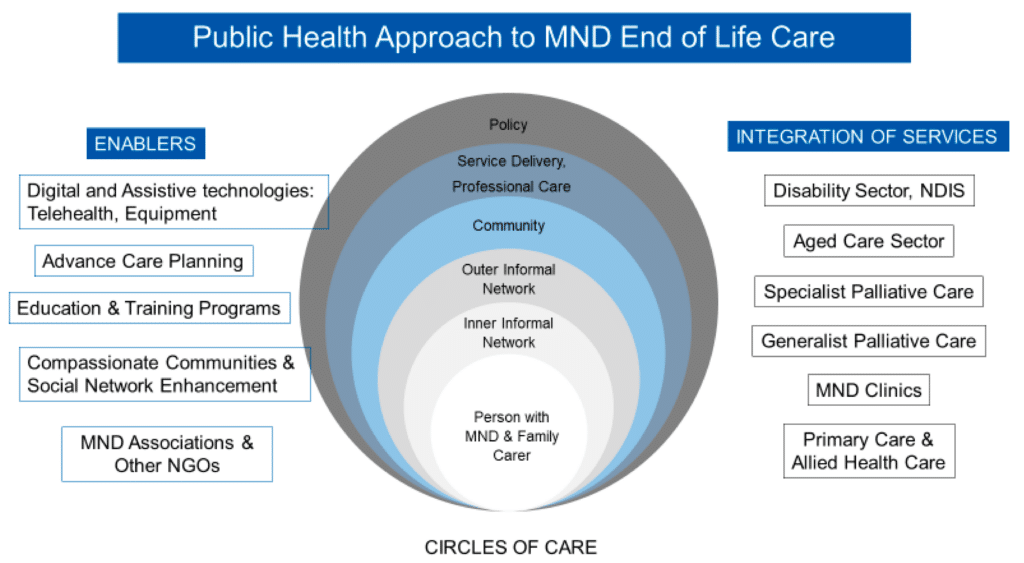
Palliative care is an approach that focuses on providing relief from the symptoms and suffering associated with MND. It aims to improve the overall quality of life for individuals by addressing their physical, emotional, and spiritual needs. Palliative care can be delivered alongside curative treatments and is not limited to end-of-life care. A palliative care team, consisting of healthcare professionals such as doctors, nurses, social workers, and chaplains, work together to provide holistic care and support to individuals with MND and their families. Palliative care services can be provided in various settings, including hospitals, outpatient clinics, and home-based care.
Hospice Care for Individuals with Motor Neurone Disease
Hospice care is a specialized form of palliative care that focuses on providing compassionate care and support to individuals with advanced stages of MND. Hospice care aims to improve comfort, enhance quality of life, and ensure dignity for individuals nearing the end of life. Hospice teams of medical professionals, nurses, social workers, and spiritual counselors work closely with individuals and their families to provide pain management, symptom control, emotional support, and spiritual guidance. Hospice care can be provided in the home, inpatient hospice facilities, or nursing homes, depending on individual needs and preferences.
Advance Care Planning
Advance care planning involves making decisions about future healthcare preferences and ensuring these wishes are respected in the event that an individual with MND becomes unable to communicate or make decisions. It is important for individuals with MND to have discussions with their healthcare providers, family members, and loved ones to establish goals of care, preferences for life-sustaining treatments, and plans for end-of-life care. Advance directives, such as living wills or durable power of attorney for healthcare, can legally document these preferences and ensure they are honored. By engaging in advance care planning, individuals with MND can have peace of mind knowing that their wishes will be respected and their end-of-life care will align with their values and goals.

Support for Children and Teens
Motor Neurone Disease can also affect children and teenagers, presenting unique challenges and considerations. Several organizations and resources are available to support young people affected by MND and their families.
Organizations Supporting Young People Affected by Motor Neurone Disease
Numerous organizations focus on providing support and resources specifically tailored to children and teenagers affected by MND. These organizations offer various services, such as counseling, support groups, educational materials, and social activities, to address the unique needs and challenges faced by young individuals with MND. Additionally, these organizations often provide assistance in navigating educational systems, accessing specialized therapies, and connecting with other families in similar situations. Building a network of support from organizations dedicated to supporting young people with MND can make a meaningful difference in the lives of children and teenagers and their families.
Educational Resources for Children and Teens with Motor Neurone Disease
Education is a crucial aspect of supporting children and teenagers with MND. Educational resources, specifically designed for young individuals with MND, can help facilitate learning, foster independence, and empower them to actively participate in their education. These resources often include adaptive technologies, assistive devices, and specialized teaching strategies tailored to the unique needs and abilities of young individuals with MND. Furthermore, these resources can provide guidance on managing the psychosocial impact of MND on children and teenagers, including addressing concerns about self-image, social interactions, and future aspirations.
Camps and Retreats
Camps and retreats designed for children and teenagers with MND can provide opportunities for recreation, peer support, and personal growth. These specialized programs offer a safe and supportive environment for young individuals to engage in recreational activities, bond with peers facing similar challenges, and experience a sense of belonging. Camps and retreats often provide a variety of activities, including sports, arts and crafts, nature exploration, and team-building exercises. This allows children and teenagers to have fun, develop new skills, and form lasting friendships. Attending camps and retreats can be incredibly beneficial for young individuals with MND, providing them with positive experiences and empowering them to overcome challenges with resilience.
Legal and Advocacy Support
Legal assistance and advocacy services play a crucial role in ensuring the rights and protections of individuals with MND.
Legal Assistance for Individuals with Motor Neurone Disease
Dealing with legal matters can be complex and overwhelming, especially for individuals with MND who may face unique legal challenges. Seeking legal assistance from professionals experienced in disability and healthcare law can help navigate issues such as guardianship, estate planning, and advanced care directives. Legal professionals can provide guidance in understanding rights, benefits, and protections available to individuals with MND and their families. They can assist in drafting legal documents, navigating insurance claims and denials, and advocating for necessary accommodations and accessibility modifications. Seeking legal support can provide peace of mind and ensure the protection of individuals’ legal rights and interests.
Disability Rights and Advocacy Organizations
Disability rights and advocacy organizations are dedicated to promoting equal rights and opportunities for individuals with disabilities, including those with MND. These organizations work towards promoting legislation, policies, and standards that protect and empower individuals with disabilities. They provide a range of services, including legal support, information and resources, and advocacy at local, regional, and national levels. Collaborating with these organizations can help individuals with MND understand their rights, access necessary services, and advocate for appropriate accommodations and support. By working together, individuals with MND and disability rights organizations can strive for inclusive communities and improved quality of life for all.
Navigating Employment and Accommodation Challenges
Motor Neurone Disease can present challenges in the workplace, as well as in finding suitable accommodations. Individuals with MND may require workplace adjustments, such as modified schedules, assistive technology, or job restructuring, to continue working. It is important for individuals with MND to understand their rights under disability and employment laws, such as the Americans with Disabilities Act (ADA). Having open and transparent communication with employers, human resources departments, and disability advocacy organizations can help navigate workplace challenges and ensure appropriate accommodations. Similarly, individuals with MND may encounter difficulties in finding accessible housing or obtaining necessary accommodations in their current living situation. Legal support and advocacy services can assist in advocating for fair housing and accessibility modifications, ensuring individuals with MND can live independently and comfortably.
In conclusion, Motor Neurone Disease presents unique challenges for individuals and their families. However, with comprehensive understanding, appropriate medical treatment, psychological and emotional support, assistive technology, financial assistance, accessible transportation, research advancements, end-of-life care, support for children and teens, and legal and advocacy support, individuals with MND can lead fulfilling lives with optimal support and resources. It is essential to utilize the diverse range of resources and organizations available to support individuals and their families on their journey with Motor Neurone Disease.