
In this article, you will gain a comprehensive understanding of mouth cancer. It is important to familiarize yourself with this topic, as it can affect anyone. By learning about the causes, symptoms, and available treatments for mouth cancer, you will not only be able to protect yourself but also help others by spreading awareness. So, let’s dive into this informative journey and get equipped with the knowledge to detect and prevent mouth cancer effectively.

Signs and Symptoms of Mouth Cancer
Mouth cancer, also known as oral cancer, can manifest in various signs and symptoms. As a primary dental care advocate, it is essential to recognize these warning signs to ensure prompt diagnosis and treatment. Some common symptoms of mouth cancer include:
1. Sores or Ulcers:
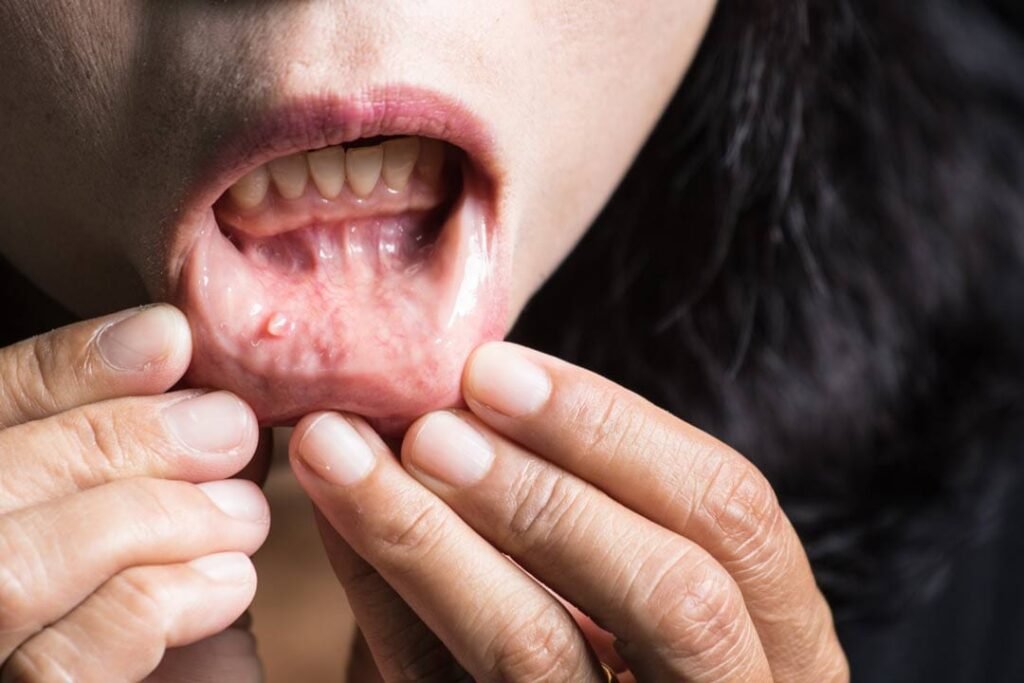
One of the most noticeable signs of mouth cancer is the presence of persistent sores or ulcers in the mouth that do not heal within two weeks. These sores may cause discomfort, pain, or bleeding.
2. Red or White Patches:
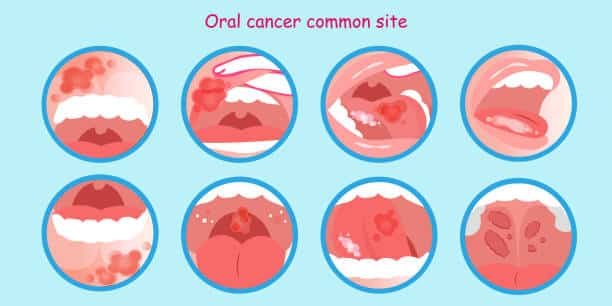
Unusual red or white patches on the gums, tongue, tonsils, or lining of the mouth should not be ignored. These patches can be flat or raised and might be accompanied by a burning sensation.
3. Swelling or Lumps:
The presence of unexplained swellings, lumps, or thickening of the lips, gums, or other parts of the mouth should be carefully assessed. This can be an indication of underlying mouth cancer.
4. Difficulty Swallowing or Chewing:
Individuals with mouth cancer often experience difficulties while swallowing or chewing food. This can be due to pain or a sensation of something blocking the throat.
5. Persistent Sore Throat or Hoarseness:
A persistent sore throat or hoarseness that does not resolve within a few weeks may be an early warning sign of mouth cancer. It is important not to ignore these symptoms, even if they seem mild.
Risk Factors for Mouth Cancer
While anyone can develop mouth cancer, certain factors can increase the risk. By understanding these risk factors, you can take necessary precautions and make informed decisions about your oral health. Some common risk factors for mouth cancer include:
1. Tobacco Use:
Tobacco, whether smoked or chewed, poses a significant risk for developing mouth cancer. Smoking cigarettes, cigars, or pipes, as well as using smokeless tobacco products, greatly increases the likelihood of developing this condition.
2. Alcohol Consumption:
Excessive alcohol consumption can contribute to the development of mouth cancer. Moreover, the combined use of tobacco and alcohol dramatically increases the risk, making it paramount to moderate alcohol intake and avoid tobacco use.
3. Human Papillomavirus (HPV) Infection:
Certain strains of the human papillomavirus (HPV), a sexually transmitted infection, have been linked to mouth cancer. Regular vaccination against HPV, especially for individuals at a younger age, can help reduce the risk.
4. Poor Oral Hygiene:
Neglecting proper oral hygiene practices, such as brushing and flossing regularly and not visiting a dentist for routine check-ups, can contribute to the development of mouth cancer. Maintaining good oral hygiene is crucial for preventing various oral health conditions, including mouth cancer.
5. Family History:
A family history of oral cancer or other types of cancer can increase an individual’s susceptibility to developing mouth cancer. It is important to discuss your family medical history with your healthcare provider to help assess your risk.
Causes of Mouth Cancer
The exact causes of mouth cancer are still being studied, but certain factors are known to contribute to its development. Mouth cancer occurs when there is an abnormal growth of cells in the mouth. Some potential causes and risk factors include:
1. Genetic Mutation:
In some cases, genetic mutations can lead to the uncontrolled growth of oral cells, resulting in mouth cancer. These mutations can be inherited or occur spontaneously.
2. Damage to DNA:
Exposure to certain environmental factors, such as tobacco smoke, excessive alcohol consumption, or prolonged sun exposure on the lips, can damage the DNA within cells in the mouth. This damage can eventually lead to the development of mouth cancer.
3. Weakened Immune System:
Individuals with a weakened immune system, such as those living with HIV/AIDS or undergoing organ transplantation, may be at a higher risk of developing mouth cancer due to their compromised ability to fight off abnormal cell growth.
4. Other Oral Health Conditions:
Chronic irritation or inflammation of the oral tissues, such as from poorly fitting dentures or chronic gum disease, can increase the risk of mouth cancer. It is crucial to maintain good oral health and promptly address any oral health issues to minimize the risk.
5. Unhealthy Lifestyle Choices:
Engaging in unhealthy lifestyle habits, such as poor nutrition, excessive alcohol consumption, and tobacco use, can significantly contribute to the development of mouth cancer. Making healthier choices can help reduce the risk of this condition.
Types of Mouth Cancer
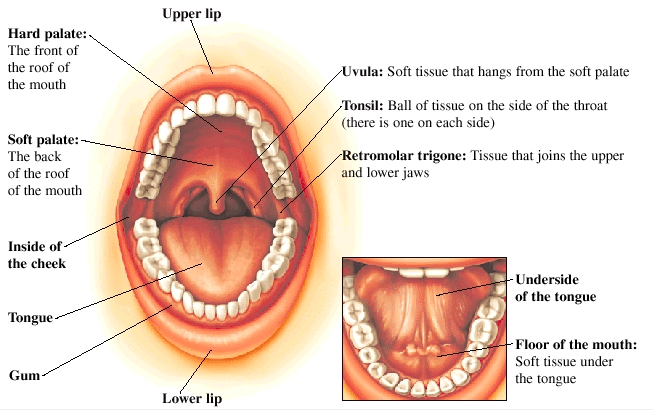
Mouth cancer can occur in different areas of the mouth, including the lips, tongue, gums, cheeks, and roof or floor of the mouth. Understanding the different types of mouth cancer is vital for early detection and appropriate treatment. The various types of mouth cancer include:
1. Squamous Cell Carcinoma:
Squamous cell carcinoma is the most common type of mouth cancer, accounting for approximately 90% of all cases. It typically starts in the flat, thin cells lining the lips, tongue, or inside of the mouth.
2. Verrucous Carcinoma:
Verrucous carcinoma is a slow-growing type of mouth cancer that presents as a wart-like growth. While it is less aggressive than other types, early diagnosis and treatment are still crucial.
3. Mucoepidermoid Carcinoma:
Mucoepidermoid carcinoma is a relatively rare type of mouth cancer that can arise in the salivary glands. It can cause various symptoms, such as discomfort, difficulty swallowing, and facial weakness.
4. Adenocarcinoma:
Adenocarcinoma is a type of mouth cancer that originates from the mucus-secreting glands in the mouth. It is less common than squamous cell carcinoma but requires appropriate treatment.
5. Sarcoma:
Sarcoma is a type of mouth cancer that develops in the connective tissues, such as bones, muscles, and blood vessels, of the mouth. Prompt diagnosis and treatment are essential to prevent further spread.
Stages of Mouth Cancer
Upon diagnosis, mouth cancer is typically assigned a stage to assess its severity and guide treatment decisions. The stages of mouth cancer indicate the extent of cancer’s growth and possible spread. The stages range from 0 to IV, with each stage reflecting different characteristics of the disease.
Stage 0:
Stage 0, also known as carcinoma in situ, refers to the presence of abnormal cells that have not invaded surrounding tissues or spread to lymph nodes. Treatment at this stage greatly increases the chances of successful cure.
Stage I:
In stage I, the cancer is still relatively small and localized to the area where it started. The tumor measures up to 2 centimeters in size, and lymph node involvement is unlikely.
Stage II:
Stage II signifies that the tumor has grown slightly larger, measuring between 2 to 4 centimeters. It may or may not have spread to a single nearby lymph node.
Stage III:
At stage III, the cancer has grown significantly and may have spread to multiple regional lymph nodes. The tumor size can exceed 4 centimeters, and nearby tissues may also be affected.
Stage IV:
Stage IV signifies the most advanced stage of mouth cancer. The tumor can be of any size and may have spread to distant organs or lymph nodes. Treatment at this stage focuses on controlling symptoms and improving quality of life.
Diagnosis of Mouth Cancer
To diagnose mouth cancer accurately, healthcare professionals utilize various diagnostic techniques and examinations. Early detection is crucial for successful treatment, making regular dental check-ups and self-examinations essential. The diagnosis process may include:
1. Physical Examination:
During a physical examination, your healthcare provider will thoroughly examine your oral cavity, including the lips, tongue, gums, and other areas, for any signs or symptoms of mouth cancer.
2. Biopsy:
If any suspicious areas or abnormalities are detected during the physical examination, a biopsy may be performed. A small tissue sample is collected and sent to a laboratory for analysis to confirm the presence of cancer.
3. Imaging Tests:
Imaging tests, such as X-rays, CT scans, and MRI scans, may be utilized to determine the extent and spread of mouth cancer. These tests can help in determining the appropriate treatment plan.
4. Endoscopy:
An endoscopy involves the use of a flexible tube with a light and camera to visualize the mouth, throat, and other structures. This procedure helps identify any abnormalities and evaluate the extent of cancer.
5. Blood Tests:
Blood tests may be carried out to assess overall health, check for specific markers related to mouth cancer, and monitor the effectiveness of treatment.
Treatment Options for Mouth Cancer
The treatment for mouth cancer depends on various factors, including the stage, location, and extent of the disease. A multidisciplinary approach involving healthcare professionals from different specialties ensures comprehensive and individualized care. Treatment options for mouth cancer may include:
1. Surgery:
Surgery is often the primary treatment for mouth cancer. It involves removing the cancerous tumor and, in some cases, nearby lymph nodes or affected tissues. The extent of the surgery depends on the stage and spread of the cancer.
2. Radiation Therapy:
Radiation therapy utilizes high-energy beams to target and destroy cancer cells. It can be used as the primary treatment or in combination with surgery or chemotherapy. The goal is to eradicate any remaining cancer cells after surgery or shrink tumors before surgery.
3. Chemotherapy:
Chemotherapy involves the use of drugs that kill cancer cells. It may be used as the primary treatment for advanced stages of mouth cancer or in combination with surgery or radiation therapy. Chemotherapy can help control the progression of the disease and alleviate symptoms.
4. Targeted Drug Therapy:
Targeted drug therapy aims to interfere with the specific molecules responsible for the growth and spread of cancer cells. It is often used when other treatments are ineffective or if the cancer has recurred.
5. Palliative Care:
Palliative care focuses on providing relief from symptoms and improving the overall quality of life for individuals with advanced mouth cancer. It includes pain management, emotional support, and addressing other physical and psychosocial needs.
Prevention and Early Detection of Mouth Cancer
While not all cases of mouth cancer can be prevented, adopting certain preventive measures can reduce the risk and promote early detection. Here are some strategies to consider:
1. Avoid Tobacco and Alcohol:
Steering clear of tobacco in all forms, including smoking and chewing, significantly reduces the risk of developing mouth cancer. Limiting alcohol consumption and avoiding heavy drinking further lowers the risk.
2. Practice Good Oral Hygiene:
Maintaining good oral hygiene is crucial in preventing various oral health conditions, including mouth cancer. Brush your teeth at least twice a day, floss daily, and visit your dentist regularly for check-ups and cleanings.
3. Protect Yourself from Sun Exposure:
Excessive sun exposure on the lips can increase the risk of mouth cancer. To protect yourself, apply SPF lip balm, wear wide-brimmed hats, and use sun-protective clothing when spending time outdoors.
4. Eat a Healthy Diet:
Following a diet rich in fruits, vegetables, whole grains, and lean proteins can help strengthen your immune system and reduce the risk of mouth cancer. Avoiding processed foods, sugary snacks, and excessive red meat intake is advised.
5. Regular Self-Examinations:
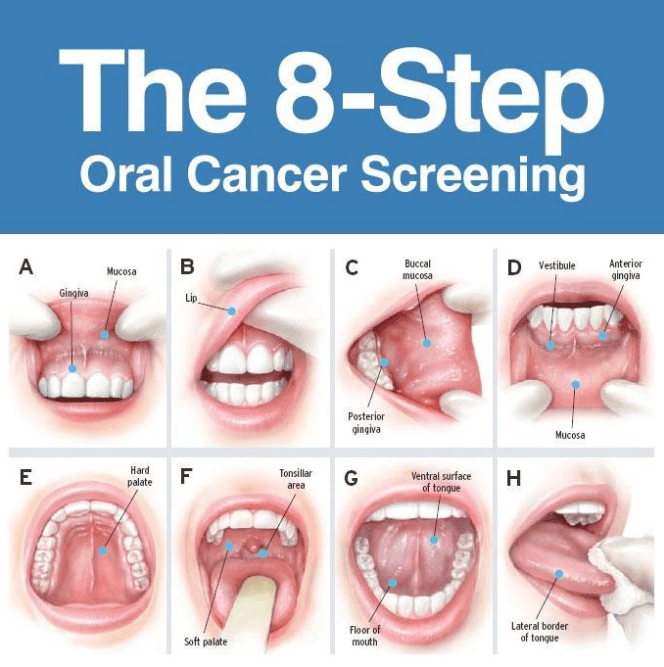
Perform regular self-examinations of your mouth to identify any changes, such as sores, red or white patches, or unusual lumps. Seek professional medical advice if you notice anything suspicious that persists for more than two weeks.
Life After Mouth Cancer Treatment
Surviving mouth cancer can bring about a range of physical, emotional, and psychosocial challenges. However, with appropriate support and resources, individuals can lead fulfilling lives after treatment. Here are some aspects to consider:
1. Physical Rehabilitation:
Depending on the extent of the treatment, individuals may experience various side effects, such as difficulty speaking, swallowing, or eating. Physical therapy, speech therapy, and dietary counseling can aid in recovery and address these challenges.
2. Emotional Support:
Coping with the aftermath of mouth cancer treatment may evoke a range of emotions. Support from loved ones, joining support groups, and seeking counseling or therapy can help individuals navigate these emotions and adjust to their new normal.
3. Regular Follow-Up Appointments:
Regular follow-up appointments with healthcare professionals are crucial to monitor for any recurrence or new developments. These appointments provide an opportunity to discuss any concerns, receive guidance on maintaining oral health, and receive necessary screenings.
4. Healthy Lifestyle Choices:
Adopting a healthy lifestyle can significantly improve overall well-being after mouth cancer treatment. Engage in regular physical activity, maintain a balanced diet, avoid tobacco and excessive alcohol consumption, and prioritize self-care.
5. Stay Positive and Seek Support:
Maintaining a positive mindset and seeking support is essential for survivors of mouth cancer. Connecting with other survivors, participating in support groups, and staying informed about the latest advancements in treatment and research can provide reassurance and a sense of community.
Support and Resources for Mouth Cancer Patients
Navigating the journey of mouth cancer can be overwhelming, but numerous support and resources are available to assist patients and their loved ones. Some valuable support options include:
1. Support Groups:
Joining support groups for mouth cancer patients allows individuals to connect with others facing similar challenges, share experiences, and exchange valuable advice. Support groups can provide a safe space to discuss concerns and receive emotional support.
2. Online Communities:
Online communities and forums dedicated to mouth cancer offer a platform to connect with individuals worldwide, share stories, seek advice, and access additional resources. These platforms can be particularly helpful for those who prefer virtual support networks.
3. Cancer Treatment Centers:
Cancer treatment centers often provide comprehensive support services, including counseling, support groups, survivorship programs, and educational resources for mouth cancer patients. These centers have trained professionals who can address specific needs and concerns.
4. National Cancer Organizations:
National cancer organizations, such as the American Cancer Society, provide a wealth of information and resources for mouth cancer patients. These organizations offer support programs, helplines, and access to the latest research developments.
5. Dental and Medical Professionals:
Dental and medical professionals specializing in mouth cancer play a vital role in providing support and guidance. They can address specific concerns, monitor oral health, and recommend appropriate resources for comprehensive care.
In conclusion, understanding the signs, risk factors, and treatment options for mouth cancer is essential for maintaining good oral health and detecting potential issues at an early stage. By advocating for preventive measures, seeking regular dental check-ups, and promptly addressing any suspicious symptoms, individuals can improve their chances of early detection and successful treatment. Remember, you are not alone in your journey; various support networks and resources are available to guide you throughout your battle with mouth cancer. Stay proactive, seek assistance when needed, and surround yourself with a strong support system.