
Hey there! Ready to learn how to stay safe from Monkeypox? In this article, you will discover essential tips and precautions to protect yourself and your loved ones from this contagious viral disease. Monkeypox may be a relatively rare infection, but understanding how it spreads and how to prevent it is crucial for your health. So, let’s dive right in and equip yourself with the knowledge to keep Monkeypox at bay!
Understanding Monkeypox
Monkeypox is a rare viral disease that belongs to the same family as smallpox and chickenpox. While it is called monkeypox, the primary source of the virus is believed to be rodents. The name stems from the initial discovery of the disease in laboratory monkeys in the 1950s. Monkeypox typically occurs in remote parts of Central and West Africa, although sporadic cases have been reported in other parts of the world as well.
What is monkeypox?
Monkeypox is a zoonotic disease, meaning it can be transmitted from animals to humans. The most common source of transmission is through direct contact with infected animals or their bodily fluids, such as blood, saliva, or respiratory secretions. Human-to-human transmission of monkeypox is also possible, although it is less frequent. The disease can be severe, leading to various symptoms ranging from mild to severe illness.
Transmission of monkeypox
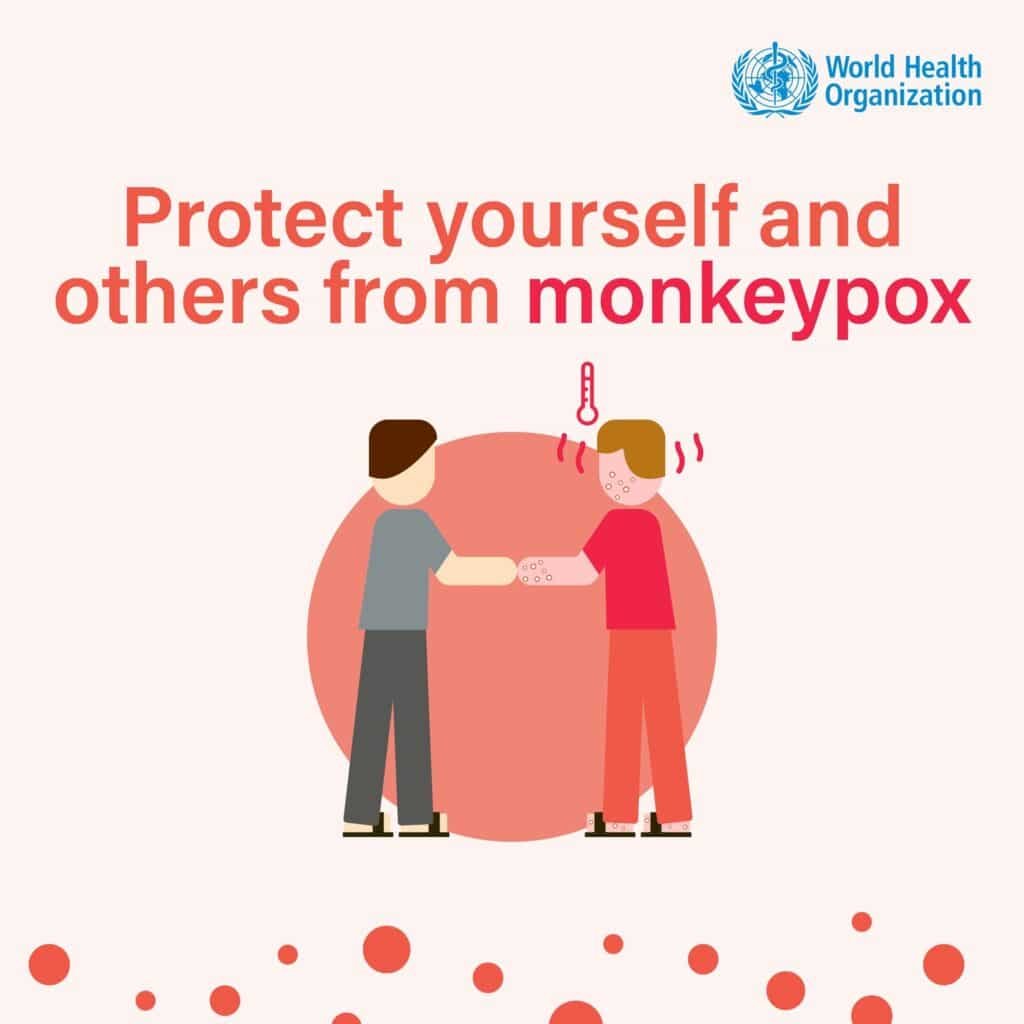
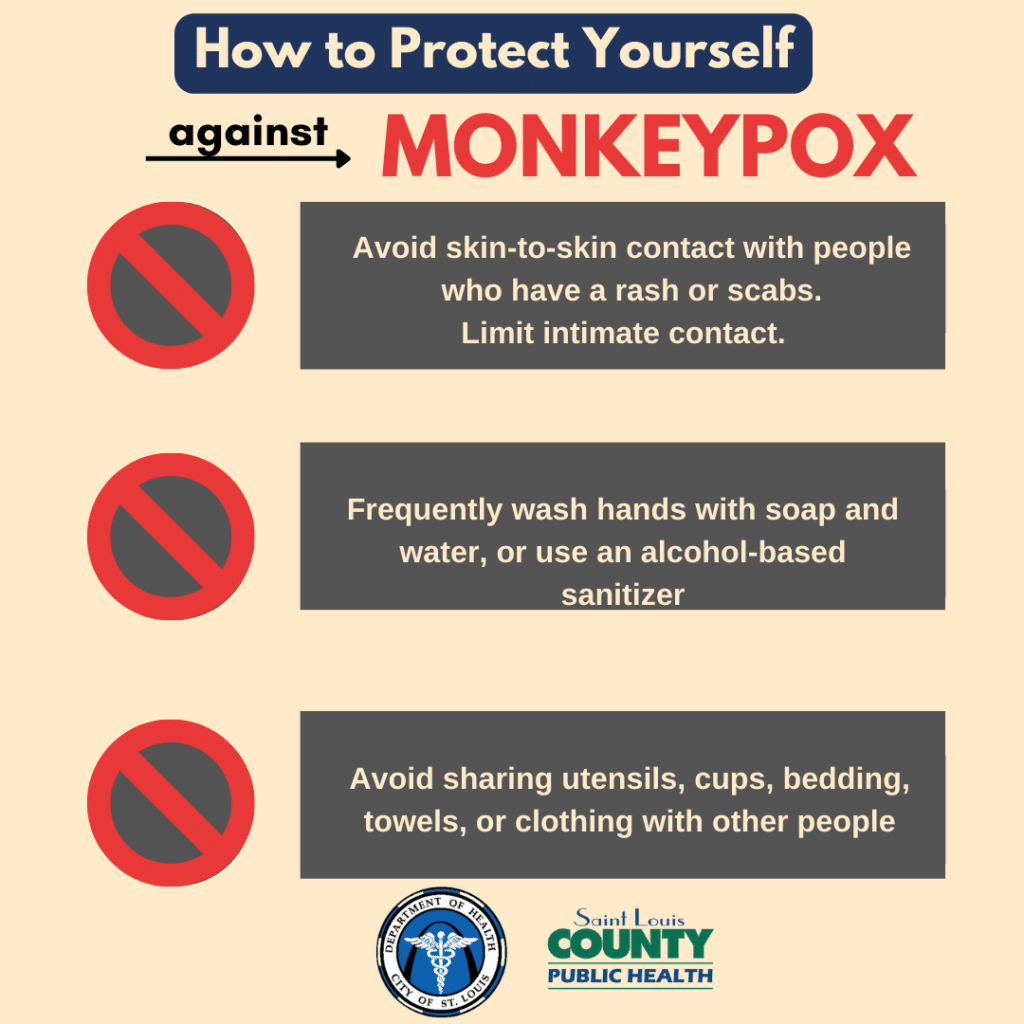
The transmission of monkeypox occurs through close contact with infected animals such as rodents, primates, or through contact with their fluids or contaminated objects. In humans, the virus can be transmitted through respiratory droplets, direct contact with lesions or body fluids, or through contaminated materials. While human-to-human transmission is rare, it can occur through close and prolonged contact, particularly in healthcare settings.
Symptoms of monkeypox
The symptoms of monkeypox typically appear within 7 to 14 days after exposure to the virus. Initially, the disease may present with flu-like symptoms such as fever, headache, muscle aches, and fatigue. This is often followed by the development of a rash that progresses to raised bumps filled with fluid and eventually crusts over. The rash usually begins on the face and then spreads to other parts of the body. In severe cases, complications such as pneumonia and encephalitis may occur.
Prevalence of monkeypox
Monkeypox is primarily found in Central and West Africa, particularly in countries such as Nigeria, the Democratic Republic of the Congo, and Cameroon. Although it remains a relatively rare disease, outbreaks have been reported in these regions, with sporadic cases occasionally occurring in other parts of the world. It is essential to stay informed about the prevalence and current situation of monkeypox, particularly if traveling to or residing in affected areas.
Preventive Measures
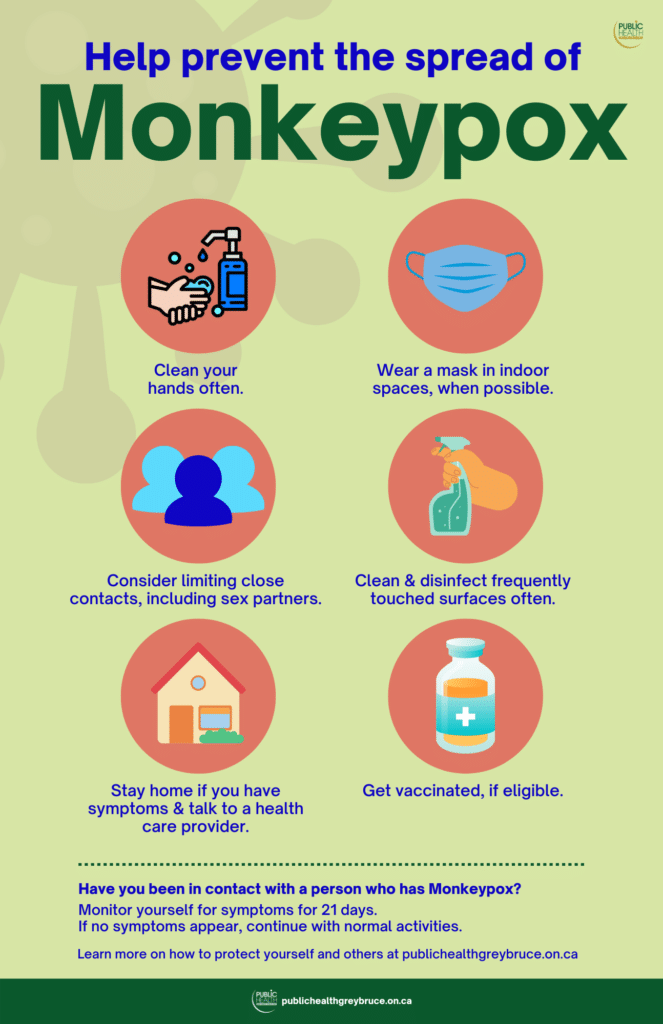
Preventing the transmission of monkeypox requires implementing various preventive measures to minimize the risk of exposure and infection.
Vaccination
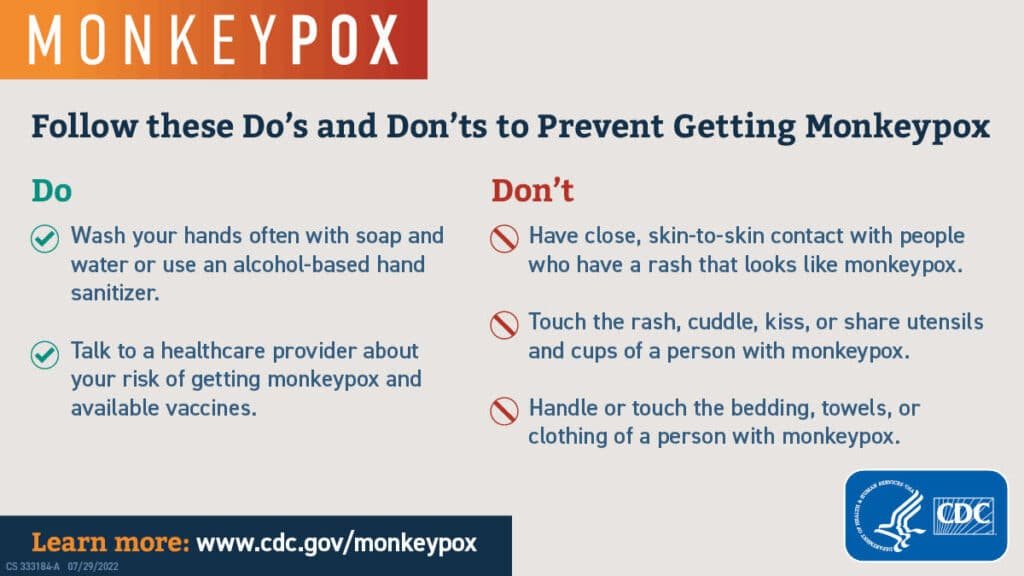
Vaccination is one of the most effective preventive measures against monkeypox. The smallpox vaccine, which provides cross-protection against monkeypox, can greatly reduce the severity of the disease if infection occurs. It is essential to stay up to date with recommended vaccinations, especially if traveling to or residing in regions where monkeypox is prevalent.
Avoiding contact with infected animals
Close contact with infected animals or their bodily fluids should be avoided to prevent monkeypox transmission. This includes refraining from handling or consuming wild animals, particularly rodents and primates. Additionally, practicing good hygiene while handling domestic animals, such as washing hands thoroughly after contact, can help reduce the risk of transmission.
Proper hygiene practices
Regular and thorough handwashing is crucial in preventing the spread of monkeypox. Using soap and water for at least 20 seconds, or an alcohol-based hand sanitizer if soap and water are not available, helps kill the virus and minimize the risk of infection. It is also important to maintain clean living conditions, regularly clean and disinfect surfaces, and promote good personal hygiene practices in communities.
Isolation precautions
In the event of a suspected or confirmed monkeypox case, isolation precautions are necessary to prevent further spread of the virus. Infected individuals should be isolated in designated healthcare facilities, and healthcare workers should adhere to strict infection control protocols, wearing appropriate personal protective equipment (PPE) and practicing proper disposal of infectious waste.
Protecting Yourself in Affected Areas
If you find yourself in an area affected by monkeypox outbreaks, there are several measures you can take to protect yourself from potential infection.
Staying updated with news
Staying informed about the current situation and any developments regarding monkeypox outbreaks is important. Regularly monitoring reliable news sources and local health authorities can help you make informed decisions and take appropriate precautions to protect yourself.
Avoiding unnecessary travel
If there is a significant monkeypox outbreak in your area or if you are planning to travel to a region with an ongoing outbreak, consider limiting unnecessary travel. Restricting your movements can reduce the risk of exposure to the virus and help prevent further spread.
Using insect repellents
Insect bites can potentially introduce the monkeypox virus into your body. Using insect repellents, particularly those containing DEET, can provide an additional layer of protection against mosquito and other insect bites. Apply the repellent according to the instructions on the product label and reapply as necessary.
Wearing protective clothing
Covering your skin with appropriate clothing can help protect against direct contact with infected animals or contaminated materials. Long sleeves, pants, and closed-toe shoes can serve as a physical barrier, reducing the risk of transmission. Additionally, wearing gloves when handling potentially infected objects or animals can further minimize exposure.
Identifying and Reporting Monkeypox Cases
Early identification and reporting of monkeypox cases are crucial in preventing further spread of the disease and ensuring prompt medical treatment.
Recognizing monkeypox symptoms
Familiarizing yourself with the symptoms of monkeypox allows for early detection and appropriate action. The presence of flu-like symptoms followed by a rash that progresses to raised bumps should raise suspicion of monkeypox. If you or someone you know exhibits these symptoms, seek medical assistance immediately.
Seeking medical help
If you suspect you have been infected with monkeypox, it is important to seek medical attention promptly. Contact your local healthcare provider or health authorities to inform them about your symptoms and potential exposure to the virus. Medical professionals can provide accurate diagnosis, appropriate treatment, and guidance regarding necessary isolation measures.
Reporting suspected cases
Reporting suspected monkeypox cases to the relevant health authorities is essential in tracking and containing the spread of the disease. Health officials can initiate the necessary steps to investigate the case, conduct contact tracing, and implement appropriate control measures to prevent further transmission.
Safety Measures for Healthcare Professionals
Healthcare professionals play a crucial role in managing monkeypox outbreaks and providing care to affected individuals. Implementing safety measures is essential to protect both healthcare workers and patients.
Personal protective equipment
When dealing with suspected or confirmed monkeypox cases, healthcare professionals must wear appropriate personal protective equipment (PPE). This may include gloves, masks, gowns, and protective eyewear, depending on the level of exposure and the specific procedures performed.
Adhering to infection control protocols
Strict adherence to infection control protocols is necessary to minimize the risk of transmission within healthcare settings. Proper hand hygiene, disinfection of surfaces, and safe handling of contaminated materials should be followed diligently. Training healthcare staff in infection control practices is crucial to ensure the safety of both patients and workers.
Quarantine and isolation procedures
Isolating infected individuals in designated isolation facilities or hospital units is imperative to prevent the spread of monkeypox within healthcare settings. Effective communication and coordination between healthcare professionals, laboratories, and public health authorities are essential to facilitate early identification, diagnosis, and appropriate management of suspected cases.
Dealing with Monkeypox Outbreaks
Managing monkeypox outbreaks requires a multifaceted approach that involves various strategies to control the spread of the disease and educate affected communities.
Identifying outbreak hotspots
Identifying areas with higher incidences of monkeypox cases allows for targeted interventions and allocation of resources. Surveillance systems and epidemiological investigations help health authorities determine the intensity and geographical distribution of the outbreak, enabling them to focus their efforts where they are most needed.
Intensifying surveillance
Enhancing surveillance efforts during monkeypox outbreaks is crucial to detect new cases, track the progression of the disease, and identify potential sources of transmission. Strengthening surveillance systems, training healthcare workers in case identification, and improving laboratory diagnostic capabilities are essential components in containing the outbreak.
Implementing quarantine measures
Quarantine measures, such as isolating suspected cases and their close contacts, help prevent further transmission of the virus. Timely implementation of quarantine procedures can limit the spread of monkeypox and reduce the risk of new clusters of cases.
Community education campaigns
Educating communities about monkeypox, its transmission, and preventive measures is vital in controlling outbreaks. Public health authorities should conduct community education campaigns to raise awareness, promote good hygiene practices, and dispel any myths or misconceptions surrounding the disease. Community engagement and cooperation are crucial to the success of outbreak response efforts.
Traveling to Affected Regions
If you plan to travel to regions affected by monkeypox outbreaks, it is crucial to take certain precautions to protect yourself from potential exposure.
Research the outbreak situation
Before traveling to an area with reported monkeypox cases, research the current outbreak situation. Stay updated on travel advisories and any additional precautions recommended by health authorities. Knowledge of the local situation will help you make informed decisions and prepare accordingly.
Consult with healthcare professionals
Seeking advice from healthcare professionals familiar with travel health is essential. They can provide personalized recommendations based on your specific circumstances, such as the duration of your stay, the nature of your travel activities, and your overall health. They can also provide information on preventive measures and any necessary vaccinations.
Practice good hygiene during travel
Maintaining good hygiene practices during your journey can help reduce the risk of acquiring monkeypox. Wash your hands regularly with soap and water or use hand sanitizers when handwashing facilities are not readily available. Avoid touching your face, especially your mouth, nose, and eyes, as these are entry points for the virus.
Consider travel insurance
Considering travel insurance coverage that includes medical evacuation and repatriation is advisable when traveling to areas with monkeypox outbreaks. Insurance can provide assistance in case of any unexpected medical emergencies or if you need to leave the affected region quickly.
Information for Pet Owners
If you have pets or live in close proximity to animals, taking appropriate precautions is crucial in preventing the transmission of monkeypox.
Restricting contact with wildlife
Limiting contact between your pets and wildlife, particularly rodents or primates, helps reduce the risk of exposure to monkeypox. Restrict access to areas where wildlife may frequent, and prevent your pets from interacting with animals that could potentially carry the virus.
Maintaining proper hygiene for pets
Practicing good hygiene for your pets is essential in preventing the transmission of monkeypox. Regularly cleaning and disinfecting their living spaces, utensils, and toys can reduce the risk of contamination. Washing your hands thoroughly after handling animals or cleaning their belongings is also important.
Monitoring pet health
Regularly observing your pets for any signs of illness or unusual behavior is crucial. If you notice any symptoms associated with monkeypox, such as skin lesions or respiratory distress, seek veterinary care immediately. Prompt diagnosis and treatment can prevent further spread of the virus.
Seeking veterinary care
If you suspect your pet has been exposed to monkeypox or is showing signs of illness, consult a veterinarian experienced in treating exotic animals. They can assess the situation, provide appropriate diagnostic tests, and recommend any necessary treatment or preventive measures.

Disinfection and Sanitization Practices
Proper disinfection and sanitization practices are essential in minimizing the risk of transmission and ensuring a safe environment.
Cleaning and disinfecting surfaces
Regularly cleaning and disinfecting surfaces that come into contact with potentially infected materials or bodily fluids is essential. Use recommended disinfectants and follow the manufacturer’s instructions for proper disinfection. Pay particular attention to frequently touched surfaces, such as doorknobs, light switches, and countertops.
Safe handling of contaminated materials
When handling potentially contaminated materials, such as soiled clothing or bedding, it is important to take appropriate precautions. Wear gloves and use proper hygiene practices to prevent direct contact and minimize the risk of exposure. Dispose of contaminated materials properly, following local guidelines for infectious waste disposal.
Proper disposal of infectious waste
Infected materials or waste should be disposed of safely to prevent the spread of monkeypox. Seal any potentially contaminated items in double bags and label them as infectious waste. Follow local waste management regulations and guidelines for proper disposal. Proper disposal ensures the safety of individuals handling the waste and helps contain the spread of the disease.
Myths and Misconceptions
Despite scientific advancements and extensive research, myths and misconceptions surrounding monkeypox persist. It is important to rely on accurate and scientifically validated information to make informed decisions and take appropriate precautions.
Vaccine myths
There have been misconceptions regarding the availability and effectiveness of vaccines against monkeypox. It is important to note that while there is no specific vaccine for monkeypox, the smallpox vaccine provides some degree of protection. Staying up to date with recommended vaccinations and seeking accurate information from healthcare professionals is key to understanding the available preventive measures.
Exaggerated transmission claims
Some claims about the ease of transmission and severity of monkeypox are often exaggerated or based on inaccurate information. Monkeypox is primarily transmitted through close contact with infected animals or their bodily fluids and is less easily transmitted between humans. Avoiding close contact with potentially infected animals and practicing good hygiene measures can significantly reduce the risk of transmission.
Alternative treatment misconceptions
Various alternative treatments or remedies are sometimes suggested for monkeypox, but their efficacy and safety are unproven. Relying on scientifically validated medical treatments and following guidance from healthcare professionals is crucial for appropriate care and management of monkeypox cases.
Importance of relying on scientific information
In the face of a monkeypox outbreak, it is crucial to rely on scientifically accurate information provided by reputable sources such as the World Health Organization (WHO) and local health authorities. Seek guidance from healthcare professionals and stay informed through reliable news outlets to ensure you have the most accurate and up-to-date information regarding the disease and prevention strategies.
In conclusion, understanding monkeypox, implementing preventive measures, and taking appropriate precautions are essential in minimizing the risk of transmission and protecting oneself from this rare viral disease. By staying informed, practicing good hygiene, and following recommended guidelines, individuals can contribute to the control and containment of monkeypox outbreaks.