When your child is suddenly stricken with the barking cough and hoarse voice characteristic of croup, it can be a distressing experience for both of you. However, armed with the right information and approaches, you can provide the much-needed comfort and care for your little one. In this comprehensive parent’s guide, you will discover everything you need to know about croup, from its causes and symptoms to practical tips on managing your child’s symptoms and ensuring their speedy recovery. With a friendly tone and valuable insights, this article aims to offer support and guidance to parents navigating the challenging journey of caring for a child with croup.

What is Croup
Croup is a respiratory condition that primarily affects young children between the ages of six months and three years. It is characterized by inflammation and swelling of the upper airway, specifically the voice box and windpipe, which can result in difficulty breathing and a distinctive barking cough. Croup is typically caused by a viral infection, most commonly the parainfluenza virus, and it tends to occur more frequently during the fall and winter months. While croup can be alarming for both parents and children, it is usually a mild illness that can be effectively managed at home with proper care and attention.
Definition
Croup, also known as laryngotracheobronchitis, is a respiratory condition that causes inflammation and narrowing of the upper airway. This inflammation leads to the classic symptoms of croup, including a barking cough, hoarse voice, and difficulty breathing. The hallmark sign of croup is the presence of stridor, a high-pitched sound that occurs when a child inhales and indicates narrowing of the airway. Croup is most commonly caused by viral infections, but can also be triggered by allergies or other irritants.
Causes
The majority of croup cases are caused by viral infections, particularly the parainfluenza virus. This virus is highly contagious and can spread easily from person to person through respiratory droplets when an infected individual coughs or sneezes. Other viruses, such as influenza and respiratory syncytial virus, can also cause croup, although they are less common culprits. Additionally, certain factors may increase a child’s susceptibility to croup, including a weakened immune system, exposure to tobacco smoke, and living in crowded environments.
Symptoms
The symptoms of croup typically develop gradually and may initially resemble those of a common cold. However, as the condition progresses, the following symptoms may become more pronounced:
- Barking cough: This cough sounds similar to a seal or a dog’s bark and is often worse at night.
- Hoarse voice: The child’s voice may become raspy or strained due to inflammation in the vocal cords.
- Stridor: When a child breathes in, a high-pitched whistling or rattling sound known as stridor may be heard, indicating narrowing of the airway.
- Difficulty breathing: The child may experience labored or rapid breathing, and in severe cases, retractions (pulling in) of the chest wall may be observed.
- Low-grade fever: A slight increase in body temperature, typically below 100.4°F (38°C), may be present.
It’s important to note that while croup can be distressing for both the child and their parents, complications are rare, and most cases resolve within a few days with appropriate home care.
Diagnosing Croup
While the characteristic symptoms of croup are often indicative of the condition, a healthcare provider will typically perform a physical examination and gather a medical history to confirm the diagnosis. In some cases, further tests may be performed to rule out other possible causes of the symptoms.
Physical examination
During the physical examination, the healthcare provider will listen to the child’s breathing with a stethoscope to assess for the presence of stridor and any abnormal lung sounds. They will also evaluate the child’s overall appearance and take note of their breathing rate and effort. The examination may also involve inspecting the throat and mouth for signs of inflammation and ruling out other potential causes of the symptoms.
Medical history
The healthcare provider will ask about the child’s symptoms, including when they started, their severity, and any factors that seem to worsen or alleviate them. They will also inquire about the child’s medical history, including any previous episodes of croup or other respiratory conditions, and any recent exposure to sick individuals or potential triggers.
Tests
In most cases, additional tests are not necessary to diagnose croup. However, if the child’s symptoms are severe and not responding to initial treatment, or if the healthcare provider suspects an alternative diagnosis, they may order a throat swab or blood tests to rule out bacterial infections or other underlying conditions.
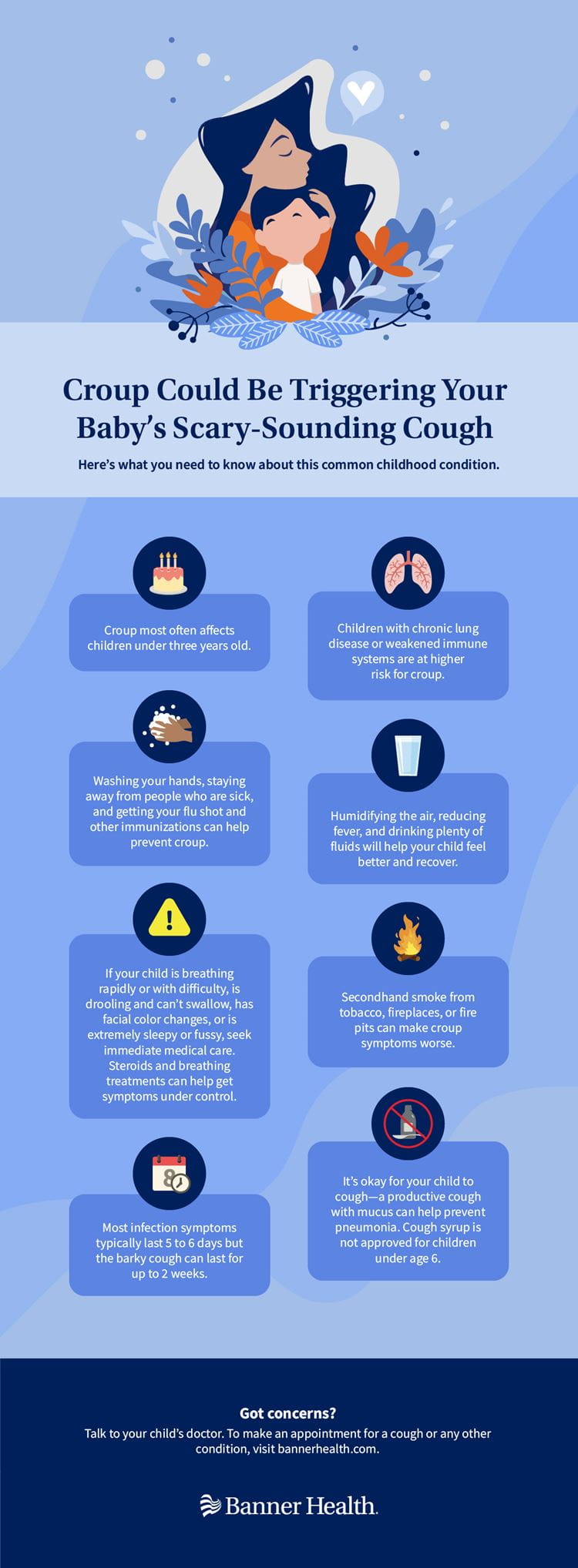
Home Care for a Child with Croup
Most cases of croup can be safely managed at home with simple measures to alleviate symptoms and promote comfort. By creating a comfortable environment, providing fluids and hydration, using a cool-mist humidifier, keeping the child calm, and administering over-the-counter medicine when necessary, parents can help their child recover from croup more easily.
Creating a comfortable environment
To create a comfortable environment for a child with croup, it is important to maintain a cool and moist atmosphere. This can be achieved by keeping the air in the child’s bedroom slightly cool and using a humidifier to add moisture to the air. Elevating the child’s head while sleeping may also help ease breathing.
Providing fluids and hydration
Staying hydrated is crucial for managing croup symptoms. Encourage your child to drink fluids regularly, such as water, clear soups, and warm herbal teas. Avoid giving them very cold or sugary drinks, as these can irritate the airway further.
Using a cool-mist humidifier
A cool-mist humidifier can help relieve the inflammation and irritation of the airway, making breathing easier for a child with croup. Be sure to clean the humidifier regularly to prevent the growth of mold and bacteria.
Keeping the child calm
Croup symptoms can be unsettling for a child, so it is important to keep them calm and reassured. Avoid exposing them to situations that may exacerbate their symptoms, such as cold air or cigarette smoke. Engage them in calming activities, such as reading a favorite book or watching a soothing movie.
Administering over-the-counter medicine
Over-the-counter (OTC) medications can be used to ease discomfort and reduce symptoms in children with croup. However, it is important to consult with a healthcare provider before giving any medication to a child, as they can provide guidance on the appropriate dosage and medication choice based on the child’s age and medical history.
When to Seek Medical Attention
While most cases of croup can be managed at home, there are certain situations in which medical attention should be sought. If any of the following symptoms or conditions occur, it is advisable to contact a healthcare provider for further evaluation and guidance.
Persistent or worsening symptoms
If your child’s symptoms do not improve or worsen despite home care measures, it may indicate the need for medical intervention. This includes persistent stridor, increased difficulty breathing, worsening cough, or high fever.
Difficulty breathing
If your child is experiencing severe difficulty breathing, such as significant retractions, rapid breathing, or a bluish tinge to the lips or face, seek immediate medical attention. These signs may indicate a more severe case of croup that requires prompt medical intervention.
Stridor at rest
If your child exhibits stridor even when at rest or while not actively crying or agitated, it may be a sign of more severe airway obstruction. Immediate medical evaluation is recommended to ensure the child’s safety and proper treatment.

Medical Treatments for Croup
In some cases, medical treatments may be necessary to manage severe or persistent croup symptoms. These treatments are typically administered in a healthcare setting, such as a doctor’s office or hospital, and may include the following interventions.
Nebulized epinephrine
Nebulized epinephrine, a medication that helps reduce airway inflammation and swelling, may be administered to children with severe croup symptoms. This medication is delivered via a nebulizer machine, which converts it into a fine mist that the child inhales.
Corticosteroids
Corticosteroids, such as dexamethasone or prednisolone, are commonly prescribed to children with croup to help reduce airway inflammation and relieve symptoms. These medications are typically administered orally or via injection and are effective in reducing the severity and duration of croup symptoms.
Heliox therapy
In rare cases of severe croup that are unresponsive to other treatments, heliox therapy may be considered. Heliox is a mixture of helium and oxygen that can help improve airflow and oxygenation in the lungs, making breathing easier for the child.
Hospitalization
Severe cases of croup may require hospitalization for close monitoring and more intensive treatments. Hospitalization may be necessary if the child is experiencing significant breathing difficulties, severe stridor at rest, or if their condition is not responding to other treatments.
Preventing Croup
While it may not be possible to completely prevent croup, there are measures that can be taken to reduce the risk of infection and minimize the severity of symptoms.
Maintaining good hand hygiene
Regularly washing hands with soap and water for at least 20 seconds can help reduce the spread of viruses that can cause croup. Encourage children to wash their hands before meals, after using the restroom, and after coming into contact with surfaces that may be contaminated.
Avoiding close contact with sick individuals
Limiting exposure to individuals who are sick with respiratory infections, such as colds or flu, can help reduce the risk of contracting croup. Encourage children to avoid close contact, such as hugging or sharing utensils, with individuals who are displaying symptoms of illness.
Keeping vaccinations up to date
Ensuring that your child receives recommended vaccinations, including the influenza vaccine, can help reduce the risk of respiratory infections that can lead to croup. Talk to your child’s healthcare provider about the immunizations that are appropriate for their age.

Supporting your Child’s Recovery
After a child has experienced a bout of croup, there are several steps you can take to support their recovery and help them feel better.
Promoting restful sleep
Adequate sleep is crucial for a child’s recovery from croup. Create a calm and soothing sleep environment, maintain a consistent bedtime routine, and ensure that your child gets enough sleep each night. Elevated head positioning may also help ease breathing difficulties while sleeping.
Encouraging fluids intake
Continue to encourage your child to drink fluids regularly to prevent dehydration and promote healing. Offer them water, clear soups, and other hydrating drinks throughout the day.
Providing a balanced diet
A balanced diet rich in nutrients can help strengthen the immune system and support the healing process. Offer your child a variety of healthy foods, including fruits, vegetables, whole grains, and lean proteins.
Monitoring symptoms
Keep a close eye on your child’s symptoms and monitor their progress. If their symptoms persist or worsen, it may be necessary to seek follow-up medical attention to ensure that their recovery is progressing as expected.
Caring for a Child with Croup at School or Daycare
If your child attends school or daycare, it is important to inform the staff about their recent bout of croup. This will help them be aware of the child’s condition and take any necessary precautions to prevent the spread of infections.
Informing school or daycare staff
Provide the school or daycare staff with detailed information about your child’s recent episode of croup, including the date of onset, symptoms experienced, and any treatments or interventions that were administered. This will enable them to monitor the child for any potential recurrence of symptoms and take appropriate measures, if needed.
Implementing preventive measures
Encourage the school or daycare to implement preventive measures that can help minimize the risk of respiratory infections, such as proper hand hygiene practices, regular disinfection of frequently touched surfaces, and ensuring good ventilation in the facility. These measures can help reduce the spread of viruses that can lead to croup and other respiratory illnesses.

Helping Your Child Cope Emotionally
Experiencing croup can be distressing for a child, so it is important to provide them with emotional support and reassurance during their recovery.
Providing reassurance
Assure your child that their symptoms are temporary and that they will soon feel better. Reassure them that you are there to support and care for them throughout the healing process.
Explaining the condition in child-friendly terms
Depending on their age and understanding, explain croup to your child in simple, age-appropriate language. Emphasize that it is a common illness that many children experience, and that with proper care, they will recover fully.
Engaging in comforting activities
Engage your child in comforting activities that can help distract them from their symptoms and promote a sense of well-being. This can include reading their favorite books, watching movies together, or engaging in quiet and calming play.
When to Follow-Up with a Healthcare Provider
Following up with a healthcare provider after a child has experienced croup can help ensure that their recovery is progressing as expected and address any ongoing concerns.
Post-treatment evaluation
If your child received medical treatment, such as corticosteroids or nebulized epinephrine, it is important to schedule a follow-up appointment to evaluate their response to treatment. This will allow the healthcare provider to assess the effectiveness of the intervention and make any necessary adjustments to the treatment plan.
Chronic or recurrent croup
While most cases of croup resolve within a week, some children may experience chronic or recurrent episodes of the condition. If your child has experienced multiple episodes of croup or if their symptoms persist beyond the expected timeframe, further evaluation may be warranted to explore potential underlying causes or contributing factors.
By understanding what croup is, how to manage the symptoms at home, when to seek medical attention, and how to support your child’s recovery, you can confidently navigate this common childhood illness. Remember, most cases of croup are mild and can be effectively managed with proper care and attention, allowing your child to quickly return to their usual playful and joyful self.