
If you’re dealing with constant itching, dry patches, or irritated skin that just won’t heal, you’re not alone—and you’re not imagining how frustrating eczema can be. As a Registered Nurse, I’ve cared for patients of all ages struggling with eczema symptoms, flare-ups, and skin discomfort that disrupt sleep, confidence, and daily life.
This guide on eczema symptoms, causes, and treatment is designed to give you clear, practical, and medically sound steps you can actually use. You’ll learn what’s really happening in your skin, why eczema keeps coming back, and most importantly, how to manage it effectively using both medical treatments and natural strategies.
What Is Eczema?
Eczema, also known as atopic dermatitis, is a chronic inflammatory skin condition that causes your skin to become:
- Dry
- Itchy
- Red
- Irritated
It’s not contagious, but it is persistent. That means you may experience cycles of flare-ups and periods where your skin improves.
At its core, eczema is a combination of:
- A weakened skin barrier
- An overactive immune response
- Environmental triggers that irritate your skin
Think of your skin like a protective wall. In eczema, that wall has tiny cracks—allowing moisture to escape and irritants to enter.

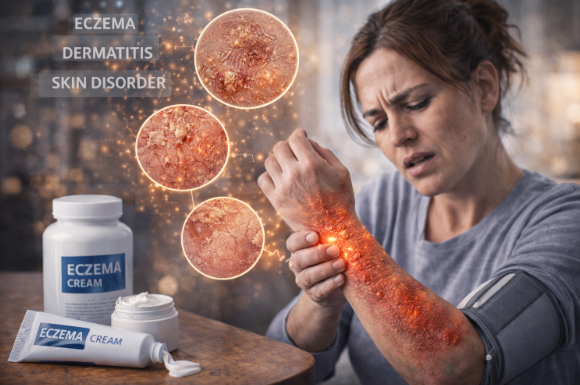
Symptoms of Eczema
Eczema symptoms can vary depending on your age, severity, and triggers. Some people have mild dryness, while others experience painful flare-ups.
Common Eczema Symptoms
- Intense itching (often worse at night)
- Dry, scaly skin
- Red or inflamed patches
- Thickened or leathery skin (chronic cases)
- Cracked or oozing skin
- Darkened skin around affected areas
Early Symptoms You Might Notice
- Mild itching before visible rash
- Skin sensitivity to soaps or fabrics
- Small bumps that may leak fluid when scratched
Severe Symptoms
- Bleeding from cracked skin
- Yellow crusting (possible infection)
- Swelling and pain
- Sleep disruption due to itching
If you’ve ever asked yourself, “Why does my eczema itch so much?”—it’s due to inflammation and nerve stimulation in the skin.
Causes of Eczema
Understanding the causes of eczema is key to controlling it. There isn’t just one cause—it’s a combination of internal and external factors.
Main Causes of Eczema
1. Genetic Factors
- Family history of eczema, asthma, or allergies
- Mutation affecting the skin barrier (filaggrin deficiency)
2. Immune System Overreaction
- Your immune system reacts strongly to harmless triggers
- Leads to inflammation and itching
3. Skin Barrier Dysfunction
- Loss of moisture
- Increased sensitivity to irritants
4. Environmental Triggers
Common triggers include:
- Harsh soaps and detergents
- Cold or dry weather
- Heat and sweating
- Dust mites and pollen
- Pet dander
5. Lifestyle Factors
- Stress and anxiety
- Poor sleep
- Diet-related inflammation
- Frequent hand washing without moisturizing
If you’ve been wondering “why does eczema keep coming back?”—it’s usually because triggers are still present or the skin barrier hasn’t fully healed.
Risk Factors
You may be at higher risk of developing eczema if you:
- Have a family history of allergies or asthma
- Live in urban or polluted environments
- Have sensitive skin
- Are exposed to irritants frequently (healthcare workers, cleaners)
- Experience chronic stress
Children are especially prone, but adults can develop eczema too.
Complications of Eczema
If eczema is not properly managed, complications can develop:
- Skin infections (bacterial or viral)
- Sleep deprivation
- Skin thickening from chronic scratching
- Mental health effects (anxiety, low self-esteem)
Persistent scratching can break the skin, creating an entry point for infection—this is one of the most common issues I see clinically.
How Eczema Is Diagnosed
Eczema is usually diagnosed through:
Clinical Evaluation
Your healthcare provider will:
- Examine your skin
- Ask about symptoms and triggers
- Review family history
Additional Tests (if needed)
- Allergy testing
- Skin patch testing
- Blood tests (rare cases)
There is no single test for eczema—diagnosis is based on pattern recognition and history.
Treatment Options
Managing eczema requires a combination of medical treatment and daily skin care.
Medical Treatments
- Topical corticosteroids (reduce inflammation)
- Topical calcineurin inhibitors (for sensitive areas)
- Antihistamines (reduce itching)
- Oral medications (moderate to severe cases)
- Biologic therapy (e.g., injections for severe eczema)
Skincare Treatment
- Thick moisturizers (ointment-based preferred)
- Fragrance-free products
- Gentle cleansers
Behavioral Strategies
- Avoid scratching (use a cold compress instead)
- Keep nails short
- Use humidifiers in dry environments
If you’re asking “what is the best treatment for eczema?”—it’s consistency. No single product works without a daily routine.
Natural Remedies & Lifestyle Strategies
Natural eczema relief methods can support your treatment plan.
Skin Care Habits
- Apply moisturizer within 3 minutes after bathing
- Use lukewarm water (not hot)
- Pat skin dry, don’t rub
Stress Management
Stress is a major trigger. Try:
- Deep breathing
- Walking
- Meditation
Sleep Optimization
- Keep the room cool
- Use soft cotton bedding
- Moisturize before bed
Natural Remedies
- Oatmeal baths
- Coconut oil (if tolerated)
- Aloe vera (pure, fragrance-free)
These don’t replace medical treatment but can improve comfort.
Best Diet Plan for Eczema
Diet plays a role in inflammation and flare-ups.
Foods That May Help
- Fatty fish (salmon, sardines)
- Leafy greens
- Fruits rich in antioxidants
- Probiotic foods (yogurt, kefir)
Foods to Limit or Avoid
- Processed foods
- Sugar
- Dairy (for some individuals)
- Gluten (if sensitive)
- Artificial additives
Hydration
Drink enough water daily to support skin hydration.
If you’ve been searching “eczema diet plan that works,” focus on anti-inflammatory, whole foods.
Supplements That May Help
Some supplements may support eczema management:
- Omega-3 fatty acids
- Vitamin D
- Probiotics
- Zinc
Always consult your healthcare provider before starting supplements, especially if you have other conditions or take medications.
RN Practical Daily Management Plan
This is where real improvement happens—your daily routine.
Morning Routine
- Take a short lukewarm shower
- Use a gentle, fragrance-free cleanser
- Pat dry (leave skin slightly damp)
- Apply thick moisturizer immediately
- Apply prescribed medication if needed
- Wear soft, breathable clothing
Midday Routine
- Reapply moisturizer to dry areas
- Avoid triggers (heat, sweating, irritants)
- Stay hydrated
- Manage stress levels
Night Routine
- Cleanse gently if needed
- Apply medication to affected areas
- Apply a thicker layer of moisturizer
- Use cotton gloves if you scratch at night
- Keep the room cool and humidified
Weekly Routine
- Wash bedding regularly
- Identify and track triggers
- Adjust skincare products if irritation occurs
Consistency is what turns “temporary relief” into long-term control.
When to See a Doctor
Seek medical attention if you notice:
- Severe itching interfering with sleep
- Signs of infection (pus, yellow crust, fever)
- Rapid worsening of symptoms
- No improvement with over-the-counter treatments
Early treatment prevents complications and long-term skin damage.
Frequently Asked Questions (FAQ)
1. What triggers eczema flare-ups?
Common triggers include stress, dry weather, soaps, allergens, and certain foods.
2. Can eczema be cured permanently?
There is no permanent cure, but it can be effectively managed and controlled.
3. Is eczema contagious?
No, eczema is not contagious.
4. What is the fastest way to stop eczema itching?
Use moisturizers, cold compress, and prescribed medications. Avoid scratching.
5. Does diet really affect eczema?
Yes, some people experience flare-ups with certain foods, especially inflammatory ones.
6. Can adults develop eczema?
Yes, eczema can develop at any age, even without a childhood history.
7. Is natural treatment enough?
Natural remedies help, but moderate to severe eczema often requires medical treatment.
This is the itchy but relieving truth
Living with eczema can feel overwhelming—but with the right approach, you can take control of your skin and your daily comfort. Understanding eczema symptoms causes treatment allows you to move from frustration to confidence.
Your skin doesn’t improve overnight—but with consistent care, the right treatment, and awareness of your triggers, healing becomes realistic and sustainable.
Start small. Stay consistent. And remember—you are not alone in this journey.
Medical Disclaimer
This content is for educational purposes only and does not replace professional medical advice, diagnosis, or treatment. Always consult your healthcare provider for personalized medical guidance regarding your condition.