
If you’re struggling to fall asleep, waking up repeatedly at night, or feeling exhausted no matter how long you stay in bed, you are not alone. Sleep disorders, especially insomnia, affect millions of people, and the impact goes far beyond just feeling tired.
As a Registered, I’ve cared for patients who came in for completely different problems—high blood pressure, anxiety, even chest pain—only to discover that poor sleep was a major root cause.
The good news?
You can take control of your sleep.
In this complete guide, you’ll learn:
- Why insomnia happens
- The real symptoms to watch for
- What causes it (often hidden)
- The best treatment and natural relief strategies
- A practical RN daily plan you can actually follow
Let’s break this down in a way that makes sense—and helps you take action.
What Are Sleep Disorders and Insomnia?
Sleep disorders are conditions that affect your ability to sleep well on a regular basis. The most common type is insomnia.
Insomnia means:
- Difficulty falling asleep
- Difficulty staying asleep
- Waking up too early
- Or feeling unrefreshed after sleep
It can be:
- Acute (short-term) – due to stress or temporary events
- Chronic (long-term) – lasting weeks to months or longer
Even if you’re in bed for 7–8 hours, insomnia can prevent your body from reaching deep, restorative sleep, which is where healing and recovery happen.
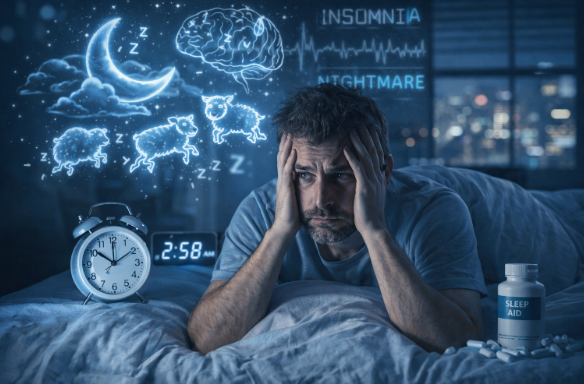
Symptoms of Sleep Disorders, Insomnia
Insomnia symptoms are not just about sleep—they affect your entire body and daily life.
Common Symptoms
- Trouble falling asleep at night
- Waking up frequently during the night
- Waking up too early and being unable to go back to sleep
- Feeling tired or not refreshed after sleep
Daytime Symptoms
- Fatigue or low energy
- Difficulty concentrating or memory problems
- Irritability or mood swings
- Increased stress or anxiety
More Severe or Chronic Symptoms
- Headaches
- Weakened immune system (getting sick often)
- Increased cravings for sugar or caffeine
- Reduced performance at work or daily tasks
RN Insight:
Many patients don’t realize their brain fog, weight gain, or anxiety is directly tied to poor sleep.
Causes of Sleep Disorders, Insomnia
Understanding the causes is critical because insomnia is often a symptom of something deeper.
Lifestyle Causes
- Irregular sleep schedule
- Excessive screen time before bed
- Caffeine, alcohol, or nicotine use
- Late-night eating
Psychological Causes
- Stress
- Anxiety
- Depression
- Overthinking at night
Medical Causes
- Chronic pain
- GERD (acid reflux waking you at night)
- Hormonal imbalances
- Sleep apnea
- Neurological conditions
Environmental Causes
- Noise
- Light exposure
- Uncomfortable sleeping environment
Why does it happen:
Your brain stays in a “hyper-alert” state, preventing the natural transition into sleep.
Risk Factors
You may be at higher risk if you:
- Are over age 50
- Have high stress levels
- Work night shifts or rotating schedules (yikes!! guilty me lol)
- Use electronic devices late at night
- Have chronic health conditions
- Are female (hormonal changes play a role)
Complications of Sleep Disorders, Insomnia
Untreated insomnia is not just inconvenient—it can be dangerous.
Potential Complications
- High blood pressure
- Heart disease
- Diabetes and insulin resistance
- Depression and anxiety disorders
- Increased risk of accidents
- Memory decline and possible cognitive impairment
RN Reality Check:
Sleep is not optional. It is a biological necessity, just like oxygen and nutrition.
How Sleep Disorders, Insomnia Is Diagnosed
Diagnosis is usually straightforward but may involve:
Medical Evaluation
- Sleep history review
- Lifestyle assessment
- Medication review
Sleep Studies (if needed)
- Overnight sleep study (polysomnography)
- Home sleep apnea test
Sleep Diary
You may be asked to track:
- Bedtime and wake time
- Night awakenings
- Daily habits
Treatment Options
Treatment focuses on both symptom relief and root cause correction.
Medical Treatments
- Short-term sleep medications
- Treatment of underlying conditions (e.g., pain, anxiety)
- Cognitive Behavioral Therapy for Insomnia (CBT-I)
Behavioral Strategies
- Sleep restriction therapy
- Stimulus control (bed = sleep only)
- Relaxation techniques
Lifestyle Changes
- Consistent sleep schedule
- Reducing caffeine and alcohol
- Improving sleep environment
Natural Remedies & Lifestyle Strategies
If you’re asking “how to treat insomnia naturally,” this is where many people see the biggest improvements.
Natural Sleep Support Methods
- Establish a consistent bedtime routine
- Reduce blue light exposure before bed
- Practice deep breathing or meditation
- Keep your bedroom cool and dark
Stress Reduction Techniques
- Journaling before bed
- Light stretching
- Guided relaxation
Daily Habits That Help
- Morning sunlight exposure
- Regular physical activity
- Limiting naps
Best Diet Plan for Sleep Disorders, Insomnia
Your diet plays a powerful role in sleep quality.
Foods That Help Sleep
- Magnesium-rich foods (spinach, almonds)
- Tryptophan foods (turkey, eggs)
- Complex carbohydrates (oats, brown rice)
- Herbal teas (chamomile, valerian root)
Foods to Avoid
- Caffeine (especially after noon)
- Alcohol (disrupts deep sleep)
- Sugary foods at night
- Heavy or spicy meals before bed
RN Practical Tip
Eat your last meal 2–3 hours before bedtime to reduce sleep disruption.
Supplements That May Help
Some supplements may support sleep, but should be used carefully.
Common Options
- Melatonin
- Magnesium
- L-theanine
- Valerian root
Important Reminder
- Start low and monitor effects
- Avoid combining multiple supplements without guidance
- Consult your healthcare provider if you have medical conditions
RN Practical Daily Management Plan
This is where real change happens—a structured, simple routine.
Morning Routine
- Wake up at the same time daily
- Get 10–15 minutes of sunlight
- Avoid checking your phone immediately
- Light movement or stretching
Midday Routine
- Stay physically active
- Limit caffeine after 12 PM
- Eat balanced meals (protein + fiber)
Evening Routine
- Dim lights 1–2 hours before bed
- Avoid screens or use blue light filters
- Take a warm shower
- Practice relaxation (breathing or journaling)
Night Routine
- Go to bed at the same time
- Keep the room cool, dark, and quiet
- If unable to sleep after 20 minutes, get up and do something calm
RN Tip:
Consistency beats perfection. Your brain needs repetition to rebuild healthy sleep patterns.
When to See a Doctor
Seek medical help if:
- Insomnia lasts more than 2–3 weeks
- You feel extremely fatigued daily
- You suspect sleep apnea (snoring, choking during sleep)
- You experience anxiety or depression
- Sleep problems affect your safety or work
Frequently Asked Questions (FAQ)
1. What is the main cause of insomnia?
The most common causes include stress, poor sleep habits, and underlying medical conditions.
2. How do I stop insomnia naturally?
Focus on sleep routine, diet, stress management, and reducing screen time.
3. Can insomnia go away on its own?
Short-term insomnia can resolve, but chronic insomnia usually requires intervention.
4. What is the best treatment for insomnia?
Cognitive Behavioral Therapy for Insomnia (CBT-I) is considered the most effective long-term solution.
5. Does diet affect sleep disorders?
Yes. What you eat—and when you eat—can significantly impact sleep quality.
6. Is melatonin safe?
Generally safe short-term, but should not be overused without guidance.
7. How many hours of sleep do I really need?
Most adults need 7–9 hours of quality sleep per night.
What’s the Main message here?
If you’re dealing with sleep disorders like insomnia, understand this:
You are not broken—your body is responding to stress, habits, or underlying imbalances.
The key is not just forcing sleep—but creating the right environment for sleep to happen naturally.
Start small:
- Fix your routine
- Adjust your environment
- Improve your daily habits
Over time, your body will respond.
From an RN perspective:
The patients who recover best are not those who rely only on medication, but those who commit to consistent, simple daily changes.
You can do this!!
Medical Disclaimer
This content is for educational purposes only and does not replace professional medical advice, diagnosis, or treatment. Always consult your physician or qualified healthcare provider regarding any medical condition or concerns.