
If you’ve been told you have high blood pressure, or you’re worried about your numbers creeping up, you’re not alone—and more importantly, you’re not stuck. Hypertension treatment is not just about taking medication. It’s about understanding what’s happening in your body, what caused it, and what you can actually do every day to bring your blood pressure under control.
As a Registered Nurse, I’ve cared for patients who ignored early warning signs—and others who reversed their numbers with the right plan. The difference often comes down to clarity and consistency. In this guide, you’ll learn exactly what hypertension is, why it happens, and the most effective ways to manage it—naturally and medically—so you can protect your heart, brain, and long-term health.
What Is Hypertension?
Hypertension, or high blood pressure, happens when the force of blood pushing against your artery walls is consistently too high.
Think of your blood vessels like a garden hose. When pressure inside is too strong for too long, it starts to damage the lining. Over time, this leads to serious complications.
Blood pressure readings are measured as:
- Systolic (top number): Pressure when your heart beats
- Diastolic (bottom number): Pressure when your heart rests
Normal: Less than 120/80
Elevated: 120–129 / <80
Hypertension: 130/80 or higher
The challenge? Most people feel completely fine—even when damage is already happening.
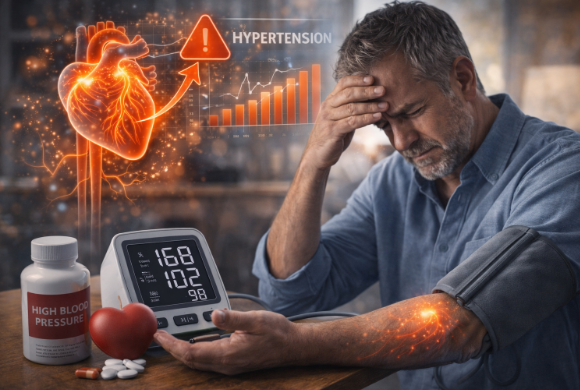
Symptoms of Hypertension
Hypertension is often called the “silent killer” because many people have no symptoms at all. However, some signs may appear, especially as it worsens.
Common Symptoms
- Headaches (especially in the morning)
- Dizziness or lightheadedness
- Blurred vision
- Nosebleeds
- Fatigue
- Shortness of breath
Severe or Emergency Symptoms
- Chest pain
- Severe headache
- Confusion
- Vision loss
- Irregular heartbeat
If you experience severe symptoms, this may indicate a hypertensive crisis, which requires immediate medical attention – STOP, reading this, and go to the emergency department right away.
Causes of Hypertension
Understanding why hypertension happens is key to effective treatment.
Lifestyle-Related Causes
- High salt (sodium) intake
- Poor diet (processed foods, low nutrients)
- Lack of physical activity
- Chronic stress
- Smoking
- Excess alcohol consumption
Medical Causes
- Kidney disease
- Hormonal disorders
- Diabetes
- Thyroid problems
- Sleep apnea
RN Insight
Most patients don’t have just one cause—it’s usually a combination of lifestyle habits and underlying conditions. That’s why a one-size-fits-all approach rarely works.
Risk Factors
You are more likely to develop high blood pressure if you have:
- Age over 40
- Family history of hypertension
- Overweight or obesity
- Sedentary lifestyle
- High-stress lifestyle
- Poor sleep quality
- High cholesterol or diabetes
Complications of Hypertension
Untreated hypertension can silently damage your body over time.
Serious Complications Include:
- Heart attack
- Stroke
- Kidney failure
- Vision loss
- Heart failure
- Cognitive decline and dementia
RN Perspective:
By the time symptoms appear, damage may already be advanced. Early hypertension treatment prevents long-term complications.
How Hypertension Is Diagnosed
Diagnosis is simple, but must be accurate.
Common Methods
- Blood pressure readings (multiple visits)
- Home blood pressure monitoring
- Ambulatory (24-hour) blood pressure monitoring
Your doctor may also order:
- Blood tests
- Urinalysis
- ECG (heart test)
Treatment Options
Effective hypertension treatment involves a combination of medical therapy and lifestyle changes.
1. Medications
Your provider may prescribe:
- ACE inhibitors
- ARBs (angiotensin receptor blockers)
- Calcium channel blockers
- Diuretics (water pills)
- Beta blockers
These medications work in different ways to reduce pressure in your arteries.
2. Lifestyle Changes
- Reduce sodium intake
- Exercise regularly
- Maintain a healthy weight
- Quit smoking
- Limit alcohol
- Manage stress
3. Behavioral Strategies
- Track your blood pressure daily
- Set reminders for medications
- Build consistent routines
RN Insight:
Medication alone is not enough. Patients who combine medication with lifestyle changes see the best long-term results.
Natural Remedies & Lifestyle Strategies
Many people ask, “How can I treat hypertension naturally?” The answer is: consistently and intentionally.
Diet Changes
- Increase fruits and vegetables
- Choose whole grains
- Eat lean proteins
- Reduce processed foods
Daily Habits
- Walk 20–30 minutes daily
- Practice deep breathing
- Stay hydrated
Stress Management
- Meditation or prayer
- Journaling
- Quiet time daily
Sleep Optimization
- Aim for 7–8 hours of sleep
- Maintain a consistent sleep schedule
- Avoid screens before bed
Best Diet Plan for Hypertension
One of the best ways to lower blood pressure naturally is through diet.
Foods to Eat
- Leafy greens (spinach, kale)
- Bananas (potassium-rich)
- Oats
- Berries
- Fatty fish (salmon)
- Nuts and seeds
Foods to Avoid
- Processed foods
- Fast food
- Excess salt
- Sugary drinks
- Processed meats
Practical Tips
- Read food labels
- Cook at home more often
- Use herbs instead of salt
RN Tip:
Even reducing sodium by 1,000 mg per day can significantly improve blood pressure.
Supplements That May Help
Some supplements may support blood pressure management.
Common Options
- Magnesium
- Potassium
- Omega-3 fatty acids
- CoQ10
- Garlic extract
Important Reminder
Always consult your healthcare provider before starting supplements, especially if you are taking medication.
RN Practical Daily Management Plan
This is where real change happens—your daily routine.
Morning Routine
- Check your blood pressure
- Take medications as prescribed
- Eat a low-sodium breakfast
- Light activity (stretching or walking)
Midday Routine
- Eat a balanced lunch
- Stay hydrated
- Take a short walk (10–15 minutes)
- Practice stress control (deep breathing)
Evening Routine
- Light dinner (avoid heavy salt)
- Limit screen time
- Reflect or journal
- Take medications if scheduled
Weekly Habits
- Meal prep healthy foods
- Monitor trends in your BP readings
- Adjust lifestyle habits
RN Insight:
Consistency beats intensity. Small daily habits lead to major long-term results.
When to See a Doctor
Seek medical attention if:
- Your BP is consistently above 130/80
- You experience chest pain
- You have severe headaches
- You notice vision changes
- Your readings exceed 180/120 (emergency)
Frequently Asked Questions (FAQ)
1. Can hypertension be reversed?
In many cases, yes—especially if caused by lifestyle factors. Weight loss, diet, and exercise can significantly improve or normalize blood pressure.
2. What is the fastest way to lower blood pressure?
Short-term: deep breathing, reducing stress, hydration.
Long-term: diet, exercise, and medication adherence.
3. How do I know if my blood pressure is dangerous?
Readings consistently above 130/80 need attention. A blood pressure above 180/120 is a medical emergency.
4. Is hypertension permanent?
Not always. Some people can reduce or eliminate medication with lifestyle changes.
5. What is the best natural remedy for hypertension?
There is no single “best,” but a combination of diet, exercise, and stress reduction works best.
6. How often should I check my blood pressure?
At least once daily if diagnosed, or as recommended by your provider.
Remember this:
Managing high blood pressure is not about quick fixes—it’s about building a system that works for your life. The most effective hypertension treatment combines medical support, daily habits, and informed choices.
You don’t need to do everything at once. Start small. Stay consistent. Track your progress. Over time, these changes can protect your heart, prevent complications, and give you control over your health again.
Your numbers can improve—and your future can too.
Medical Disclaimer
This content is for educational purposes only and does not replace professional medical advice, diagnosis, or treatment. Always consult your healthcare provider regarding any medical condition or treatment decisions.