
Are you tired of constantly relying on prescription medications and treatment options for managing macular degeneration? Look no further! This article will introduce you to a natural remedy that could potentially improve your condition and offer relief from the symptoms of this progressive eye disease. Say goodbye to the constant worry and inconvenience of traditional treatments, and discover a holistic approach that can help you regain control of your vision and overall well-being.
Understanding Macular Degeneration
What is Macular Degeneration?
Macular degeneration, also known as age-related macular degeneration (AMD), is a common eye condition that affects the macula, the part of the eye responsible for sharp, central vision. It is a progressive disease that can result in loss of vision in the center of the visual field, making it difficult to read, recognize faces, and perform other tasks that require detailed vision. While macular degeneration is most commonly associated with aging, it can also occur in younger individuals, although this is less common.
Types of Macular Degeneration
There are two main types of macular degeneration: dry and wet. Dry macular degeneration is the more common form, accounting for about 90% of cases. It is characterized by the presence of yellow deposits, called drusen, in the macula. Wet macular degeneration, on the other hand, is less common but more aggressive. It occurs when abnormal blood vessels grow under the macula and leak fluid, causing damage to the macula and leading to rapid vision loss.
Causes of Macular Degeneration
The exact cause of macular degeneration is unknown, but there are several factors that can increase the risk of developing the condition. Age is the most significant risk factor, with macular degeneration being more common in individuals over the age of 50. Other risk factors include genetics, smoking, long-term sun exposure, obesity, high blood pressure, and a diet lacking in certain nutrients. While these risk factors do not guarantee the development of macular degeneration, it is important to be aware of them and take steps to minimize the risk.
Prevention and Lifestyle Changes
Maintaining a Healthy Diet
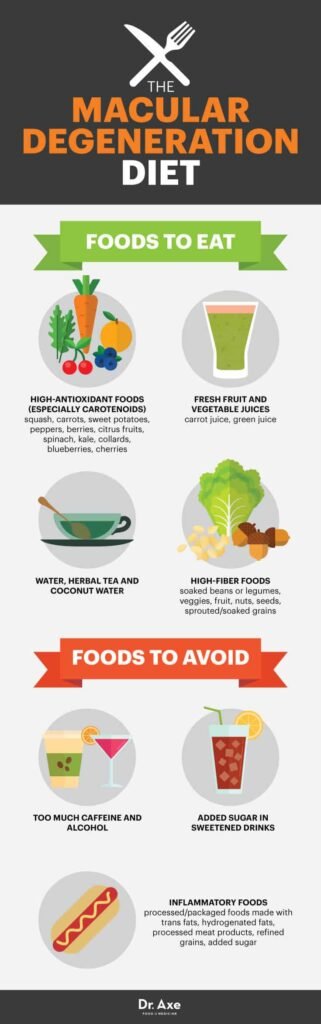
One of the most important steps you can take to prevent or slow down the progression of macular degeneration is to maintain a healthy diet. Research suggests that certain nutrients are beneficial for eye health, including vitamins C and E, zinc, copper, beta-carotene, and lutein. These nutrients can be found in a variety of foods such as leafy green vegetables, citrus fruits, nuts, seeds, and fish. Consuming a well-balanced diet that includes these nutrient-rich foods can help protect your eyes and reduce the risk of macular degeneration.
Regular Exercise and Physical Activity
Engaging in regular exercise and physical activity is not only beneficial for overall health but also for eye health. Studies have shown that regular exercise can reduce the risk of macular degeneration by improving blood flow to the eyes and reducing inflammation. Aim for at least 30 minutes of moderate-intensity exercise, such as brisk walking, cycling, or swimming, on most days of the week. Remember to consult with your healthcare provider before starting any new exercise routine.
Protecting Your Eyes from Sun Exposure
Long-term exposure to ultraviolet (UV) radiation from the sun can damage the eyes and increase the risk of macular degeneration. To protect your eyes, wear sunglasses that block 100% of UVA and UVB rays when you are outdoors, even on cloudy days. Additionally, wearing a wide-brimmed hat or using an umbrella can provide extra protection from the sun’s rays. It is also important to avoid looking directly at the sun, as this can cause permanent damage to the retina.
Avoiding Smoking and Secondhand Smoke
Smoking is a major risk factor for macular degeneration. It can damage the blood vessels in the eyes, reduce blood flow, and increase the risk of developing the disease. If you smoke, it is important to quit as soon as possible. Quitting smoking can significantly reduce the risk of macular degeneration and improve overall eye health. Additionally, it is important to avoid exposure to secondhand smoke, as it can also have detrimental effects on eye health.
Managing Chronic Conditions
Certain chronic conditions, such as high blood pressure and diabetes, can increase the risk of macular degeneration. It is important to manage these conditions carefully to reduce the risk of complications. This includes following your healthcare provider’s recommendations for medication, lifestyle changes, and regular monitoring. Keeping these conditions under control can help protect your eyes and prevent or slow down the progression of macular degeneration.
The Role of Nutrition
Vitamins and Minerals for Eye Health
Certain vitamins and minerals are essential for maintaining healthy eyes and reducing the risk of macular degeneration. Vitamin C, vitamin E, zinc, copper, and beta-carotene have been found to be particularly beneficial for eye health. These nutrients can help protect the cells in the eyes from damage and support overall eye function. They can be obtained through a balanced diet that includes fruits, vegetables, whole grains, lean proteins, and dairy products. If you are unable to meet your nutrient needs through diet alone, your healthcare provider may recommend supplements.
Antioxidants and Eye Health
Antioxidants are substances that help protect the body from damage caused by free radicals. Free radicals can lead to oxidative stress, which can contribute to the development of macular degeneration. Consuming foods rich in antioxidants can help reduce the risk of macular degeneration and support overall eye health. Some examples of antioxidant-rich foods include berries, leafy green vegetables, nuts, seeds, and colorful fruits and vegetables. Adding these foods to your diet can provide a natural defense against macular degeneration.
Omega-3 Fatty Acids and Macular Degeneration
Omega-3 fatty acids are essential fats that play a crucial role in eye health. They have been shown to reduce inflammation and help maintain the structural integrity of the eye’s blood vessels. Consuming foods high in omega-3 fatty acids, such as fatty fish (salmon, mackerel, sardines), walnuts, chia seeds, and flaxseeds, can help protect against macular degeneration. If you are unable to obtain enough omega-3 fatty acids through diet alone, your healthcare provider may recommend omega-3 supplements.
Herbal Remedies for Macular Degeneration
Bilberry
Bilberry is a small fruit that is closely related to the blueberry. It contains anthocyanins, which are powerful antioxidants that can help improve blood circulation to the eyes and protect against oxidative damage. Bilberry supplements are available in tablet or capsule form and can be taken as directed by your healthcare provider. However, it is important to note that while bilberry has been used for centuries as a natural remedy for eye conditions, more research is needed to determine its effectiveness specifically for macular degeneration.
Ginkgo Biloba
Ginkgo biloba is an herbal extract derived from the leaves of the ginkgo tree. It has been used in traditional medicine for centuries and is believed to improve blood flow and increase antioxidant activity. Some studies suggest that ginkgo biloba may help slow down the progression of macular degeneration and improve vision. However, more research is needed to fully understand its effects and determine the appropriate dosage. It is important to consult with your healthcare provider before using ginkgo biloba supplements.
Saffron
Saffron is a spice derived from the Crocus sativus flower. It has been used for centuries in traditional medicine and is believed to have various health benefits, including protecting the eyes against macular degeneration. Saffron supplements are available in capsule form and can be taken as directed by your healthcare provider. While saffron shows promise in supporting eye health, further research is needed to confirm its effectiveness and determine the optimal dosage.
Green Tea
Green tea is rich in antioxidants, particularly a group of compounds known as catechins. These antioxidants have been shown to have various health benefits, including protecting against macular degeneration. Drinking green tea regularly or taking green tea supplements may help reduce the risk of macular degeneration and support overall eye health. However, it is important to note that excessive consumption of green tea can have negative effects, so moderation is key.
Grape Seed Extract
Grape seed extract is a natural supplement derived from the seeds of grapes. It contains powerful antioxidants, such as proanthocyanidins, which can help protect the eyes from damage caused by free radicals. Some studies suggest that grape seed extract may help slow down the progression of macular degeneration and improve vision. However, more research is needed to fully understand its effects and determine the appropriate dosage. As always, it is important to consult with your healthcare provider before using grape seed extract supplements.

Essential Oils for Macular Degeneration
Frankincense Oil
Frankincense oil is derived from the resin of the Boswellia tree and has been used for centuries in traditional medicine. It has anti-inflammatory properties and may help reduce inflammation in the eyes associated with macular degeneration. Applying a diluted solution of frankincense oil around the eyes (avoiding direct contact with the eyes themselves) may provide relief from symptoms and support eye health. However, it is important to consult with a qualified aromatherapist or healthcare provider before using essential oils.
Lavender Oil
Lavender oil is well-known for its calming and relaxing properties. It can be used topically or diffused to promote a sense of well-being and improve overall eye health. Lavender oil may also help alleviate symptoms associated with dry eyes, a common condition in individuals with macular degeneration. Like all essential oils, it is important to dilute lavender oil before applying it to the skin and to consult with a healthcare professional before use.
Helichrysum Oil
Helichrysum oil is derived from the flowers of the Helichrysum plant and has anti-inflammatory and antioxidant properties. Some studies suggest that helichrysum oil may help reduce inflammation in the eyes and support overall eye health. It can be applied topically around the eyes (avoiding direct contact with the eyes themselves) or diffused for aromatherapy purposes. As with all essential oils, it is important to consult with a qualified aromatherapist or healthcare provider before use.
Rosemary Oil
Rosemary oil is derived from the leaves of the rosemary plant and has been used for centuries for its various health benefits. It has antioxidant and anti-inflammatory properties that may support eye health and help reduce symptoms of macular degeneration. Rosemary oil can be applied topically around the eyes (avoiding direct contact with the eyes themselves) or diffused for aromatherapy purposes. It is important to consult with a qualified aromatherapist or healthcare provider before using rosemary oil.
Acupuncture and Acupressure
Traditional Chinese Medicine and Eye Health
Traditional Chinese medicine (TCM) has a long history of using acupuncture and acupressure to treat various health conditions, including eye disorders. According to TCM principles, the eyes are connected to specific meridians in the body, and stimulating these meridians can help restore balance and promote eye health. Acupuncture involves the insertion of thin needles into specific points on the body, while acupressure involves applying pressure to these points using fingers or other tools.
Acupuncture for Macular Degeneration
Acupuncture has been studied as a potential treatment for macular degeneration, with some promising results. Research suggests that acupuncture may help improve visual acuity, reduce inflammation, and slow down the progression of the disease. However, more research is needed to fully understand the effects of acupuncture on macular degeneration and determine the optimal treatment protocol. It is important to consult with a licensed acupuncturist before undergoing acupuncture treatment.
Acupressure Points for Eye Health
There are several acupressure points that are believed to be beneficial for eye health. These points include the Taiyang, Jingming, Chengqi, Zanzhu, and Sizhukong points. Applying gentle pressure to these points using the fingertips or an acupressure tool may help alleviate symptoms associated with macular degeneration and promote eye health. It is important to consult with a qualified acupressure practitioner or healthcare provider before using acupressure for macular degeneration.

Advancements in Macular Degeneration Treatment
Stem Cell Therapy
Stem cell therapy is a cutting-edge treatment approach that holds promise for the treatment of macular degeneration. It involves the use of stem cells, which are unspecialized cells that have the potential to develop into different types of cells, including retinal cells. Researchers are exploring various methods of delivering stem cells to the damaged macula in order to stimulate the growth of new, healthy cells. While stem cell therapy is still in the experimental stage, it has the potential to revolutionize the treatment of macular degeneration in the future.
Gene Therapy
Gene therapy is another innovative approach being explored for the treatment of macular degeneration. It involves the delivery of genes into the cells of the retina to correct genetic mutations or enhance the production of beneficial proteins. By targeting the underlying genetic causes of macular degeneration, gene therapy aims to slow down or even halt the progression of the disease. While gene therapy is still in the early stages of development, it holds promise for the future treatment of macular degeneration.
Intravitreal Injections
Intravitreal injections are a common treatment option for wet macular degeneration. These injections involve the placement of medication directly into the vitreous, the gel-like substance inside the eye. The medication typically includes anti-vascular endothelial growth factor (anti-VEGF) drugs, which help reduce the growth of abnormal blood vessels and prevent further damage to the macula. Intravitreal injections need to be administered by a qualified eye care professional and require regular monitoring to determine the appropriate dosage and frequency.
Photodynamic Therapy
Photodynamic therapy (PDT) is a treatment option for certain cases of wet macular degeneration. It involves the use of a light-sensitive medication and a specialized laser to destroy abnormal blood vessels in the macula. The medication is injected into a vein, and then the laser is used to activate the medication and target the specific blood vessels. PDT is typically performed in an outpatient setting and requires multiple treatment sessions. It is important to consult with an eye care professional to determine if PDT is a suitable option for your specific condition.
Importance of Regular Eye Exams
Early Detection and Intervention
Regular eye exams are essential for the early detection and intervention of macular degeneration. Even if you do not have any noticeable symptoms, it is important to have your eyes examined regularly by an eye care professional. During an eye exam, your eye care professional will evaluate the health of your eyes, check your visual acuity, and perform tests to detect any signs of macular degeneration. Detecting macular degeneration in its early stages allows for prompt intervention and management, which can help prevent or delay vision loss.
Monitoring and Managing Macular Degeneration
If you have been diagnosed with macular degeneration, regular eye exams are crucial for monitoring the progression of the disease and managing its effects. Your eye care professional will monitor changes in your visual acuity, perform imaging tests to assess the health of the macula, and provide recommendations for appropriate interventions and treatments. Keeping up with regular eye exams allows for timely adjustments to your treatment plan and ensures that you are receiving the best possible care for your eyes.
Collaborating with Eye Care Professionals
Regular eye exams also provide an opportunity to collaborate with your eye care professionals and develop a comprehensive plan for managing macular degeneration. Your eye care team may include ophthalmologists, optometrists, and other specialists who work together to provide personalized care and support. They can provide guidance on lifestyle modifications, monitor the effectiveness of treatments, and offer advice on assistive devices and rehabilitation programs. By actively participating in the management of your macular degeneration, you can optimize your visual health and quality of life.

Support and Rehabilitation
Low Vision Aids and Devices
Low vision aids and devices can be beneficial for individuals with macular degeneration who experience vision loss. These aids are designed to maximize remaining vision and improve overall visual functioning. Examples of low-vision aids and devices include magnifiers, telescopic lenses, high-contrast reading materials, and electronic devices with large text and adjustable settings. Consulting with a low-vision specialist can help identify the most suitable aids and devices for your specific needs.
Visual Rehabilitation Programs
Visual rehabilitation programs are designed to help individuals with macular degeneration adapt to their changing vision and maintain independence in daily activities. These programs may include vision therapy, orientation and mobility training, and assistive technology training. Visual rehabilitation specialists work closely with individuals to develop personalized programs that address their specific challenges and goals. Participating in a visual rehabilitation program can significantly improve quality of life and enhance overall functioning.
Emotional Support and Counseling
Macular degeneration can have a significant emotional impact on individuals, as it affects not only their physical vision but also their overall well-being. It is important to seek emotional support and counseling to cope with the challenges associated with macular degeneration. Support groups, counseling services, and online communities can provide a safe space to share experiences, learn coping strategies, and receive emotional encouragement. Additionally, seeking support from family, friends, and healthcare professionals can help individuals navigate the emotional aspect of living with macular degeneration.
Conclusion
Macular degeneration is a complex eye condition that requires a multifaceted approach to prevention, treatment, and management. By adopting a healthy lifestyle, including maintaining a nutritious diet, engaging in regular physical activity, protecting the eyes from sun exposure, and avoiding smoking, you can significantly reduce the risk of macular degeneration. Incorporating specific nutrients, herbal remedies, essential oils, acupuncture, and acupressure into your routine may provide additional support for eye health. Stay informed about advancements in macular degeneration treatment, such as stem cell therapy and gene therapy, and collaborate with eye care professionals to develop a personalized plan for managing the disease.
Remember the importance of regular eye exams for early detection and intervention, and consider the benefits of low vision aids, visual rehabilitation programs, and emotional support in maintaining quality of life. While macular degeneration may present challenges, with the right knowledge, support, and self-care, individuals can effectively manage the condition and continue to lead fulfilling lives.
Related Terms About Natural Remedy For Macular Degeneration.
Can Macular Degeneration Get Better, How To Help Macular Degeneration, How To Treat Macular Degeneration, Remedy For Macular Degeneration, Treatment For Macular Degeneration In Canada, Treatment For Macular Degeneration Injections, Treatment For Macular Degeneration Mayo Clinic, Treatment For Macular Degeneration Of The Eye, Treatment For Macular Degeneration Uk, Treatment For Macular Degeneration Wet, Treatment For Macular Degenerative Eye Disease, What Is The Best Natural Remedy For Macular Degeneration