
Are you tired of relying on medications and supplements to boost your memory health? Look no further! This article presents a natural remedy that is bound to leave you amazed. Discover the power of a simple yet effective technique that can help enhance your memory and improve cognitive function. Say goodbye to forgetfulness and embrace this natural solution for optimal memory health!

1. Exercise
Regular exercise is not only beneficial for your physical health, but it also plays a crucial role in maintaining good memory health. Engaging in aerobic exercises, such as brisk walking, running, swimming, or cycling, can increase blood flow to the brain and stimulate the growth of new neurons. These exercises also help in improving your overall cardiovascular health, which is essential for a healthy brain.
Strength training exercises, like weightlifting or resistance training, are also beneficial for memory health. They help in building strong muscles, which can have positive effects on cognitive abilities. Additionally, strength training promotes the release of growth factors that enhance brain function.
Yoga and meditation are excellent practices for both physical and mental well-being. Yoga poses and meditation techniques help in reducing stress levels, calming the mind, and improving focus and concentration. These activities also promote deep relaxation, which can aid in better sleep quality, another crucial aspect for memory health.
2. Diet and Nutrition
The food you consume plays a significant role in your memory health. Including certain nutrients and foods in your diet can help improve cognitive function and enhance memory.
Omega-3 fatty acids, found in fatty fish like salmon, sardines, and mackerel, are crucial for brain health. These healthy fats support the structure and function of brain cells, reduce inflammation, and promote overall brain health.
Antioxidants are compounds that protect your brain from oxidative stress and damage caused by free radicals. Foods rich in antioxidants, such as berries, dark chocolate, and green leafy vegetables, can help improve memory and cognitive function.
B vitamins, particularly B6, B9 (folate), and B12, are important for brain health. These vitamins aid in the production of neurotransmitters, which are essential for proper brain function. Good sources of B vitamins include leafy greens, legumes, eggs, and fortified cereals.
The Mediterranean diet, which is rich in fruits, vegetables, whole grains, healthy fats, and lean proteins, is considered beneficial for memory health. This diet provides a wide range of nutrients and antioxidants that support brain health and reduce the risk of cognitive decline.
Turmeric, a spice commonly used in Indian cuisine, contains a compound called curcumin, which has potent anti-inflammatory and antioxidant properties. Regular consumption of turmeric has been associated with improved memory and cognitive function.
3. Mental Stimulation
Challenging your brain through various mental activities is essential for maintaining and improving memory health. Here are some effective ways to stimulate your mind:
Brain exercises, such as puzzles, crosswords, and memory games, can help improve cognitive function and enhance memory. These activities encourage your brain to work and form new connections, thereby boosting overall brain health.
Learning new skills, such as playing a musical instrument, painting, or learning a new language, can have significant benefits for memory health. Engaging in these activities requires concentration, attention to detail, and memorization, which can strengthen your brain’s ability to learn and remember.
Socializing is not only enjoyable but also beneficial for your brain. Interacting with others stimulates various brain areas, improves cognitive functioning, and helps in maintaining good memory health. Joining clubs, participating in group activities, or simply spending time with friends and family can provide valuable mental stimulation.
Reading and puzzles are excellent ways to keep your mind engaged and active. Reading books or solving puzzles, like sudoku or word searches, can improve memory and cognitive abilities. These activities challenge your brain and require active thinking, thereby enhancing memory health.
4. Sufficient Sleep
Getting enough quality sleep is vital for optimal memory health. During sleep, your brain processes information, consolidates memories, and rejuvenates itself. Lack of sleep can impair cognitive function and memory. Here’s why sufficient sleep is important:
Sleep allows your brain to process and store memories effectively. It helps in consolidating information learned during the day and transferring it from short-term to long-term memory.
During sleep, the brain clears out waste products that accumulate throughout the day. This process, known as the glymphatic system, is crucial for maintaining a healthy brain and optimal memory function.
Sleep deprivation can affect attention, concentration, and decision-making abilities, ultimately hampering memory. It also increases the risk of developing cognitive disorders like Alzheimer’s disease.
Practicing good sleep hygiene is essential for ensuring restful sleep and maintaining good memory health. Some tips for improving sleep quality include maintaining a regular sleep schedule, creating a relaxing bedtime routine, avoiding electronic devices before bed, and keeping your sleep environment comfortable and cool.

5. Stress Management
Chronic stress can have significant negative effects on memory and overall brain health. Implementing effective stress management techniques can help in protecting your memory. Here are some strategies:
Meditation and deep breathing exercises are powerful tools for managing stress and promoting relaxation. These practices activate the body’s relaxation response, lower stress hormone levels, and improve overall mental well-being.
Stress reduction techniques, such as progressive muscle relaxation, guided imagery, or aromatherapy, can help in reducing stress levels and promote a sense of calm. These techniques allow your mind and body to relax, relax, and alleviate the effects of chronic stress on memory.
Adopting healthy coping mechanisms is crucial for managing stress and preserving memory health. Engaging in activities that you enjoy, such as listening to music, practicing hobbies, or spending time in nature, can help reduce stress levels and promote a positive mindset.
6. Herbal Supplements
Numerous herbal supplements have been traditionally used to support memory and cognitive function. While scientific evidence is limited, some herbs have shown potential benefits for memory health. Here are a few worth considering:
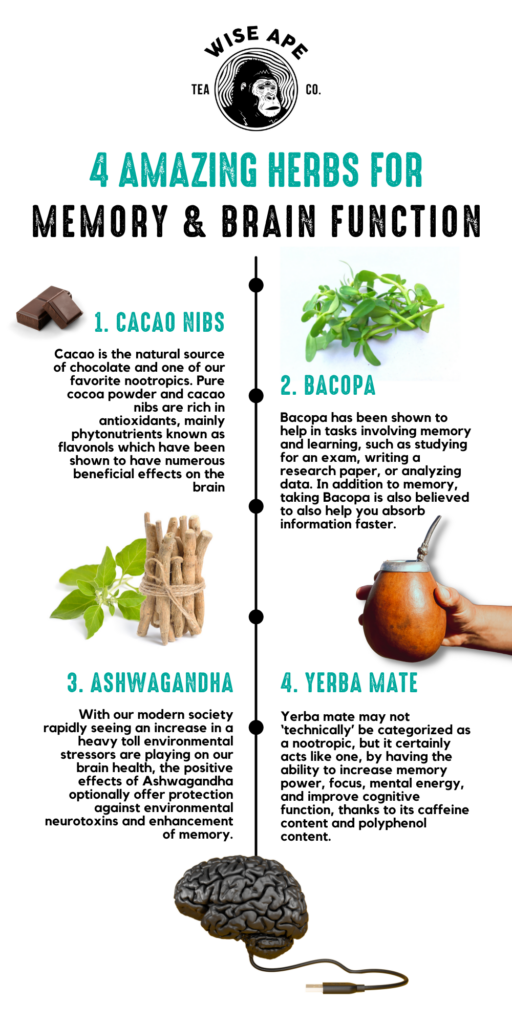
Ginkgo Biloba is an herb commonly utilized in traditional medicine for improving memory and cognitive function. It is believed to enhance blood flow to the brain, protect brain cells from damage, and improve cognitive abilities.
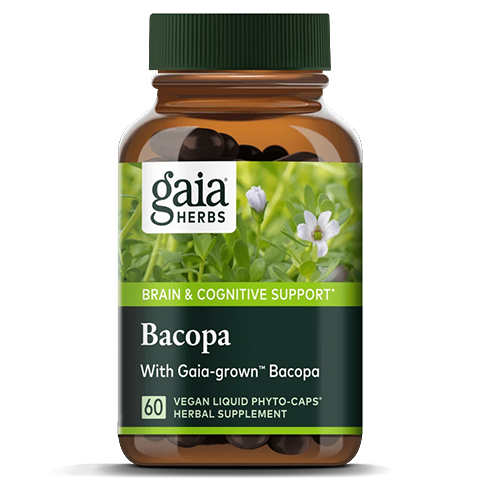
Bacopa Monnieri, an herb commonly used in Ayurvedic medicine, has been shown to improve memory and cognitive function. It may promote the growth of nerve cells, enhance brain signaling, and protect against oxidative stress.
Ginseng, particularly Panax ginseng, has been traditionally used for improving cognitive function and memory. It may enhance concentration and attention, promote mental clarity, and reduce mental fatigue.
Gotu Kola is an herb known to enhance memory and improve cognitive function. It may support brain health by reducing inflammation, protecting against oxidative stress, and promoting nerve cell growth.
It is important to consult with a healthcare professional before starting any herbal supplements to ensure safety and effectiveness, particularly if you have underlying health conditions or take medications.

7. Essential Oils
Essential oils have been used for centuries for their calming and therapeutic properties. While they may not directly improve memory, they can enhance overall well-being and support a healthy brain. Here are some essential oils known for their potential benefits:
Rosemary oil has been traditionally used to improve memory and concentration. Its aroma is believed to enhance alertness, mental clarity, and cognitive performance.
Peppermint oil is known for its invigorating and refreshing scent. It may help in reducing mental fatigue, boosting energy levels, and promoting mental focus.
Lavender oil is widely recognized for its calming and soothing properties. It can help in reducing stress, and anxiety, and promoting relaxation, which indirectly supports memory health by reducing cognitive load.
Essential oils can be used in various ways, such as through aromatherapy, diffusion, or diluted in carrier oils for topical application. It is important to use essential oils safely and consult with a qualified aromatherapist if needed.
8. Hydration
Proper hydration is essential for overall health, including memory health. Dehydration can negatively affect brain function and impair cognitive abilities. Here’s why staying hydrated is important:
Water is crucial for optimal brain function. It helps in transporting nutrients to the brain, regulating body temperature, maintaining electrolyte balance, and removing waste products.
Even mild dehydration can lead to cognitive decline, difficulty focusing, and impaired short-term memory. It is important to drink enough water throughout the day to stay adequately hydrated.
In addition to water, herbal teas, and infusions can contribute to hydration while providing additional health benefits. Certain herbal teas, such as green tea or chamomile tea, are known for their potential cognitive-boosting properties.
Maintaining a habit of drinking water regularly and incorporating herbal teas into your daily routine can help support optimal hydration and memory health.
9. Avoidance of Toxins
Exposure to certain toxins can have detrimental effects on memory and overall brain health. Making conscious choices to avoid toxins can help protect your memory. Here are some factors to consider:
Alcohol moderation is important for maintaining good memory health. Excessive alcohol consumption can lead to memory impairment, confusion, and other cognitive problems. It is advisable to limit alcohol intake and be mindful of responsible drinking.
Avoiding smoking and secondhand smoke is crucial for preserving memory and cognitive function. Smoking is associated with an increased risk of cognitive decline and dementia. Quitting smoking and staying away from secondhand smoke can have significant benefits for memory health.
Reducing exposure to environmental toxins, such as air pollution, heavy metals, and pesticides, is important for brain health. These toxins can contribute to cognitive decline and memory impairment. Taking steps to minimize exposure, such as using air purifiers, opting for organic produce, and reading product labels, can have positive effects on memory health.
10. Managing Underlying Health Conditions
Effectively managing underlying health conditions is an essential aspect of memory health. Here are a few conditions to focus on:
Diabetes management is crucial for preventing memory problems. High blood sugar levels can damage blood vessels and nerves in the brain, leading to cognitive impairment and memory issues. Maintaining a healthy diet, exercising regularly, and following prescribed treatments can help in managing diabetes and protecting memory health.
Blood pressure control is important for optimal brain function. High blood pressure can damage blood vessels in the brain and contribute to cognitive decline. Regular monitoring, adopting a healthy lifestyle, and taking prescribed medications can help in managing blood pressure and supporting memory health.
Thyroid disorder treatment is essential for memory health. Thyroid hormones play a crucial role in brain function, and imbalances can lead to cognitive problems and memory difficulties. Working closely with your healthcare provider to manage thyroid disorders can help in preserving memory and cognitive function.
In conclusion, maintaining good memory health requires a holistic approach that encompasses various lifestyle factors, including exercise, diet, mental stimulation, sleep, stress management, and avoidance of toxins. While natural remedies, such as herbal supplements and essential oils, may provide additional support, it is important to consult with healthcare professionals and make informed choices. By implementing these strategies and prioritizing memory health, you can support optimal brain function and preserve cognitive abilities. Remember, small changes in daily habits can make a significant difference in your memory health over time.
Related Terms About Natural Remedy For Memory Health.
Health Memory And Stress, How To Check Memory Health, How To Check Memory Health On Windows 10, Memory Clinic Western Health, Memory Health, Memory Health Conditions, Memory Health Test, Memory In Health Care, Memory In Medical Education