If you’ve ever experienced the frustrating and uncomfortable itchiness of a skin rash, then you know just how eager you are to find relief. Look no further, because we’ve got the solution for you! Introducing a natural remedy that is specifically designed to soothe and heal skin rashes. With its gentle, yet effective formula, this remedy harnesses the power of nature to provide you with the much-needed relief you’ve been searching for. Say goodbye to redness and irritation, and hello to healthy, calm skin. Say hello to your new best friend in the battle against skin rashes!

What is a skin rash?
A skin rash refers to any change in the texture or appearance of the skin, often characterized by redness, irritation, itching, or swelling. It can occur in various parts of the body and can be caused by numerous factors, such as allergies, infections, or underlying health conditions. Skin rashes can range from mild and temporary to chronic and persistent, depending on the cause and severity.
Definition and symptoms of a skin rash
A skin rash is a visible alteration in the skin’s normal condition, which can manifest in different ways. Common symptoms include redness, itchiness, swelling, and the presence of bumps, blisters, or scales on the affected area. Depending on the type of rash, individuals may also experience pain, burning sensations, or a warm sensation on the skin. It is essential to pay attention to these symptoms as they can provide valuable information in determining the cause and appropriate treatment for the rash.

Causes of skin rashes
Skin rashes can be caused by a wide range of factors, including allergies, infections, environmental irritants, autoimmune disorders, and underlying health conditions. Allergies to substances like certain foods, plants, or medications can trigger a rash. Infections caused by bacteria, viruses, or fungi, such as ringworm or impetigo, can also lead to skin rashes. Exposure to irritants like harsh chemicals, certain fabrics, or excessive heat can cause contact dermatitis. Additionally, certain health conditions like eczema, psoriasis, or lupus can manifest as skin rashes.
Common types of skin rashes
There are numerous types of skin rashes, each with distinct characteristics and causes. Some common types of skin rashes include:
Eczema
Eczema, also known as atopic dermatitis, is a chronic inflammatory condition that results in dry, itchy, and inflamed skin. It often appears in patches and can be triggered by allergens or environmental factors.
Contact dermatitis
Contact dermatitis is the result of skin exposure to an irritant or allergen, leading to redness, itching, and sometimes blisters or oozing. Common causes include certain plants, chemicals, or metals.
Psoriasis
Psoriasis is an autoimmune condition characterized by the rapid buildup of skin cells, leading to thick, red, and scaly patches. It often affects the elbows, knees, scalp, and lower back.
Heat rash
Heat rash, also known as prickly heat, occurs when sweat gets trapped under the skin due to blocked sweat glands. It leads to small red bumps or blisters and is commonly seen in hot and humid climates.
Allergic reactions
Allergic reactions can cause hives, which are raised, itchy welts on the skin, or a generalized rash. These reactions can result from food, medication, insect bites, or exposure to allergens like pollen or pet dander.
Importance of natural remedies for skin rash
When dealing with a skin rash, turning to natural remedies can provide several advantages over conventional treatments. Natural remedies often have fewer side effects, offer cost-effective solutions, and are easily accessible.
Benefits of using natural remedies
Natural remedies for skin rashes are typically gentle on the skin and less likely to cause adverse reactions. They often contain beneficial compounds that can soothe inflammation, relieve itching, and promote the healing process. Many natural remedies also have antimicrobial properties, helping to reduce the risk of infection and aid in the overall recovery of the skin.
Avoiding potential side effects
Unlike prescription medications or over-the-counter creams, natural remedies are less likely to cause adverse side effects. Pharmaceutical products can sometimes lead to dryness, redness, or thinning of the skin, especially with long-term use. Natural remedies, on the other hand, rely on the healing properties of plant-based ingredients, which are generally well-tolerated by the skin.
Cost-effective and easily accessible
Natural remedies for skin rashes are often cost-effective, as many ingredients can be found in the kitchen or local grocery store. This accessibility makes them a practical choice for individuals who prefer a more budget-friendly approach or do not have immediate access to medical facilities.
Identifying the underlying cause
While natural remedies can provide relief for skin rashes, it is crucial to identify and address the underlying cause to prevent future occurrences. Understanding the triggers and seeking professional guidance can significantly contribute to effective management.
Visiting a healthcare professional
If you experience a persistent or severe skin rash, it is recommended to consult a healthcare professional. They can examine your rash, discuss your medical history, and perform any necessary tests to determine the cause. This will help to rule out any underlying health conditions and ensure appropriate treatment.
Understanding potential triggers
Keeping track of potential triggers can help identify patterns and prevent future rashes. Common triggers include certain foods, allergens, cosmetics, fabrics, or environmental factors like heat or humidity. By recognizing these triggers, you can make informed decisions about lifestyle modifications or avoiding certain substances.
Keeping a detailed record of symptoms
Maintaining a detailed record of symptoms can provide valuable information for both you and your healthcare professional. Take note of the onset, duration, and progression of the rash, as well as any accompanying symptoms or activities that may have preceded the outbreak. This record can serve as a reference during medical consultations and aid in identifying potential causes or triggers.

Effective natural remedies for skin rash
Natural remedies can be effective in soothing and healing skin rashes. Here are some commonly used remedies that have shown promising results:
Aloe vera
Aloe vera is renowned for its soothing and moisturizing properties. It has anti-inflammatory effects that can calm irritated skin and reduce redness. Aloe vera gel can be applied topically to the affected area several times a day for relief.
Coconut oil
Coconut oil possesses natural anti-inflammatory and antimicrobial properties. Applying coconut oil to the skin can help reduce inflammation, alleviate itching, and promote healing. Use organic, cold-pressed coconut oil and massage it gently into the affected area.
Oatmeal baths
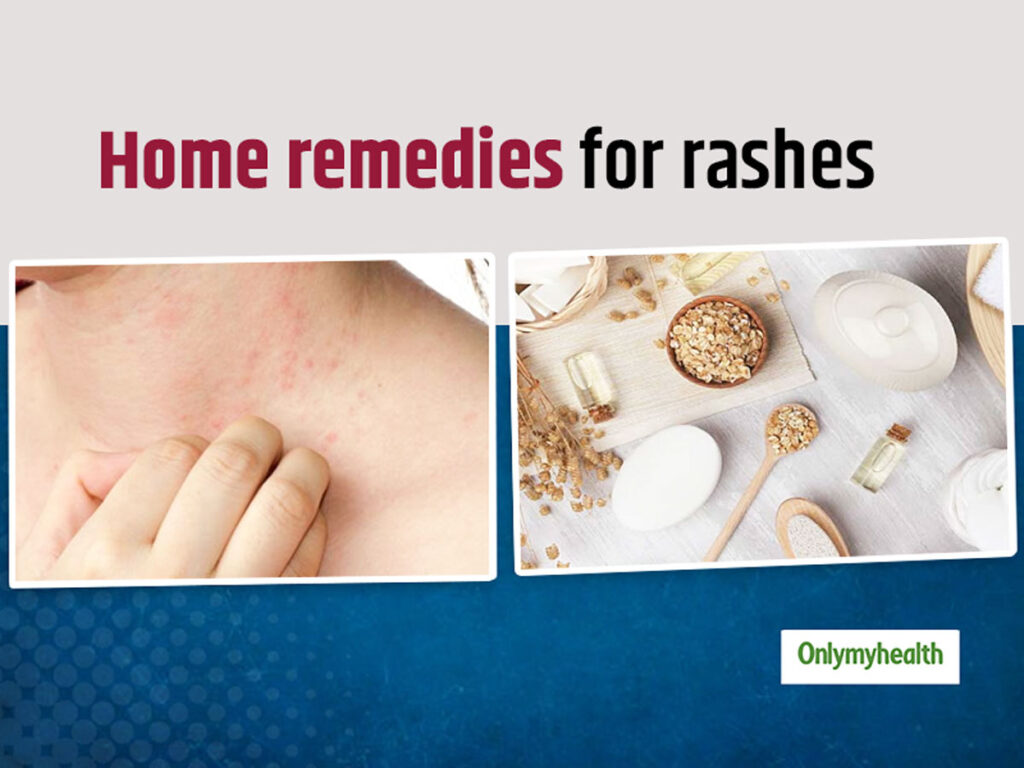
Oatmeal baths are known to provide relief for itchy and inflamed skin. Finely ground oatmeal can be added to warm bathwater, creating a soothing environment that helps to alleviate discomfort. Soak in the oatmeal bath for around 15-20 minutes to experience its calming effects.
Apple cider vinegar
Apple cider vinegar has antiseptic and anti-inflammatory properties that can aid in relieving skin rashes. Dilute apple cider vinegar with water and apply it to the affected area using a cotton ball or compress. Leave it on for a few minutes before rinsing off.
Tea tree oil
Tea tree oil has antibacterial and anti-inflammatory properties that can assist in treating various skin conditions, including rashes. Dilute tea tree oil with a carrier oil, such as coconut oil, and apply it sparingly to the affected area. Avoid applying undiluted tea tree oil directly to the skin.
Aloe vera
Aloe vera is a versatile plant known for its numerous health benefits, particularly for the skin. The gel extracted from the leaves of the aloe vera plant contains a rich blend of vitamins, minerals, enzymes, and antioxidants that contribute to its therapeutic properties.
Properties and benefits of aloe vera
Aloe vera gel has excellent moisturizing capabilities, which helps to soothe dry and irritated skin. It contains anti-inflammatory compounds that can reduce redness, swelling, and itching associated with skin rashes. Additionally, aloe vera promotes the healing process and can aid in reducing the risk of infection.
Application methods
Aloe vera gel can be obtained directly from fresh aloe vera leaves or purchased as commercially available products. Applying the gel topically to the affected area is the most common method of use. It is recommended to clean the area with mild soap and water before applying a thin layer of aloe vera gel. Repeat this process several times a day for optimal results.
Precautions and possible reactions
While aloe vera is generally safe for most individuals, it is essential to be aware of any potential allergic reactions. Before using aloe vera gel for the first time, perform a patch test on a small area of skin to check for any adverse reactions. In rare cases, some individuals may experience skin irritation or contact dermatitis. If any discomfort or allergic reactions occur, discontinue use and consult a healthcare professional.

Coconut oil
Coconut oil has gained popularity for its numerous health benefits, including its application in skincare. It contains lauric acid, which has potent antimicrobial and anti-inflammatory properties.
Anti-inflammatory properties of coconut oil
Coconut oil exhibits anti-inflammatory effects, which can help reduce redness, swelling, and itching associated with skin rashes. It forms a protective barrier on the skin, locking in moisture and preventing further irritation, especially in cases of dry and damaged skin.
Different ways to use coconut oil for skin rashes
Coconut oil can be used topically directly on the affected area. Simply melt a small amount of organic, cold-pressed coconut oil in your hands and gently massage it onto the rash. It can be applied multiple times a day, depending on the severity of the rash. For added effectiveness, mix coconut oil with a few drops of lavender or tea tree essential oil, both of which have skin-soothing properties.
Potential allergic reactions
While coconut oil is generally well-tolerated by most individuals, some people may have coconut oil allergies or sensitivities. It is recommended to perform a patch test before using coconut oil extensively. Apply a small amount to a small area of skin and observe for any adverse reactions. If redness, itching, or swelling occurs, discontinue use and consult a healthcare professional.
Oatmeal baths
Oatmeal has long been recognized for its soothing properties, especially for alleviating itchiness and inflammation. Oatmeal baths can provide relief for various skin conditions, including rashes.
Soothing effects of oatmeal on the skin
Oatmeal contains compounds called avenanthramides, which possess anti-inflammatory properties. These compounds help to calm itchiness, redness, and irritation associated with skin rashes. Oatmeal is also a natural moisturizer, which helps to hydrate and nourish the skin.
Preparing and using oatmeal baths
To prepare an oatmeal bath, finely grind plain, unflavored oats using a blender or food processor. Add the ground oats to a warm bathtub filled with water and mix well to ensure even distribution. Soak in the oatmeal bath for about 15-20 minutes, gently rubbing the affected area with the oatmeal-infused water.
Additional tips for maximum effectiveness
To derive maximum benefits from an oatmeal bath, it is advisable to:
- Use lukewarm water instead of hot water, as hot water can further dry out the skin.
- Avoid using scented soaps or bath products, as they can contain potential irritants.
- Pat the skin dry with a soft towel after the bath rather than rubbing, as excessive rubbing can aggravate the rash.
- Apply a moisturizer or natural oil, such as coconut oil or aloe vera gel, after the bath to lock in moisture and enhance the soothing effect.
Apple cider vinegar
Apple cider vinegar has gained popularity for its various health benefits, including its potential to help alleviate skin rashes. It is rich in acetic acid, which has antimicrobial and anti-inflammatory properties.
Antiseptic and anti-inflammatory properties
Apple cider vinegar possesses antiseptic properties that can help cleanse the skin and prevent infection. Its anti-inflammatory properties can reduce redness, swelling, and itching associated with skin rashes. This makes apple cider vinegar an effective natural remedy for providing relief and promoting healing.
Dilution ratios and application methods
Dilute apple cider vinegar with water before applying it to the skin. The recommended ratio is one part vinegar to three parts water. Mix the vinegar and water thoroughly in a bowl or spray bottle. Apply the diluted solution to the affected area using a cotton ball or a clean cloth. Leave it on for a few minutes before rinsing off with water. This can be repeated a few times a day, depending on the severity of the rash.
Possible skin reactions and precautions
While apple cider vinegar is generally safe for topical use, it is essential to take certain precautions. Avoid applying undiluted apple cider vinegar directly to the skin, as it can be too strong and irritating. If you have sensitive skin, consider using a more diluted solution or reducing the frequency of application. In cases where the skin becomes excessively irritated or if any allergic reactions occur, discontinue use and consult a healthcare professional.
Tea tree oil
Tea tree oil, derived from the leaves of the Melaleuca alternifolia tree, has been widely used for its antimicrobial and anti-inflammatory properties. It has been known to effectively treat various skin conditions, including rashes.
Benefits and uses of tea tree oil
Tea tree oil has potent antifungal, antibacterial, and anti-inflammatory properties, making it a valuable natural remedy for skin rashes. It can help alleviate itching, reduce inflammation, and prevent infection. Tea tree oil is commonly used for conditions like eczema, psoriasis, and fungal infections.
Safe dilution guidelines for skin application
Tea tree oil should always be diluted before direct application to the skin. A safe dilution ratio is around 1-2% tea tree oil to a carrier oil, such as coconut oil or sweet almond oil. Mix a few drops of tea tree oil with the carrier oil, ensuring proper blending. Apply the diluted solution to the affected area using a cotton ball or clean fingers. It is best to start with a small amount and observe for any adverse reactions before increasing the concentration or frequency of application.
Potential allergic reactions and cautions
While tea tree oil is generally considered safe for topical use, it is important to be aware of potential allergic reactions. Perform a patch test before using tea tree oil extensively, especially if you have sensitive skin. Apply a small amount of the diluted solution to a small area of skin and monitor for any adverse reactions. If redness, itching, or swelling occurs, discontinue use and seek medical advice.
Prevention and lifestyle changes
Preventing skin rashes or minimizing their occurrence requires incorporating certain lifestyle changes and practices into your routine. Here are some tips to help maintain healthy skin and reduce the risk of developing rashes:
Maintaining proper hygiene
Good hygiene practices are essential in preventing skin rashes. Regularly wash your skin with mild soap and warm water, paying attention to areas prone to sweat buildup or friction, such as the groin, armpits, and feet. Dry your skin gently by patting it with a soft towel, avoiding excessive rubbing.
Avoiding triggers and irritants
Identify and avoid the triggers or irritants that may cause or exacerbate skin rashes. These can include certain fabrics, harsh chemicals, laundry detergents, cleaning agents, or even specific foods or medications. Minimizing exposure to these substances can go a long way in preventing rashes.
Managing stress levels
Stress can worsen or trigger certain skin conditions, including rashes. Finding healthy ways to manage stress, such as practicing relaxation techniques, engaging in physical activity, or seeking support, can help improve overall skin health.
Moisturizing regularly
Keeping the skin well-hydrated is crucial in maintaining its protective barrier and preventing dryness or irritation. Moisturize your skin daily using a gentle, fragrance-free moisturizer. This can help minimize the risk of dry or cracked skin, which can be more prone to developing rashes.
By understanding the causes and triggers of skin rashes, utilizing effective natural remedies, and adopting preventative measures, you can manage and alleviate the discomfort associated with skin rashes. Remember to consult a healthcare professional for a proper diagnosis and guidance, especially if the rash persists or worsens. With proper care and attention, you can achieve healthier, happier skin.
Related Terms About Natural Remedy For Skin Rash.
Effective Home Remedy For Skin Rash, Home Remedies For Allergic Reaction Swelling, Home Remedies For Allergic Skin Rash, Home Remedies For Canine Skin Rash, Home Remedies For Face Sun Allergy, Home Remedies For Face Sweat Rash, Home Remedies For Hives And Swelling, Home Remedies For Severe Skin Rash, Home Remedies For Skin Allergy In Child, Home Remedies For Skin Allergy Reaction, Home Remedies For Skin Irritation On Cats