
Are you concerned about the rising cases of Dengue Hemorrhagic Fever (DHF) outbreaks? This informative article aims to provide you with valuable knowledge on how to prevent DHF outbreaks. With the increasing global spread of dengue, it is crucial for everyone to understand the symptoms, transmission methods, and effective prevention strategies. By implementing these techniques, you can protect yourself, your loved ones, and your community from this potentially life-threatening disease. So, let’s explore the essential steps to safeguard against DHF outbreaks and ensure a safer environment for all.

Understanding Dengue Hemorrhagic Fever
Definition of Dengue Hemorrhagic Fever
Dengue Hemorrhagic Fever (DHF) is a severe form of dengue fever, which is caused by the dengue virus. It is characterized by a sudden onset of high fever, severe headache, joint and muscle pain, rash, and bleeding manifestations. DHF can progress rapidly to a life-threatening condition and is a leading cause of hospitalization and death in countries where dengue is endemic.
Causes of DHF
Dengue Hemorrhagic Fever is caused by the dengue virus, which is transmitted to humans through the bite of infected Aedes mosquitoes. There are four serotypes of the dengue virus, and infection with one serotype provides lifelong immunity to that particular serotype but only short-term immunity to other serotypes. This makes individuals susceptible to multiple dengue infections, increasing the risk of developing DHF.
Symptoms of DHF
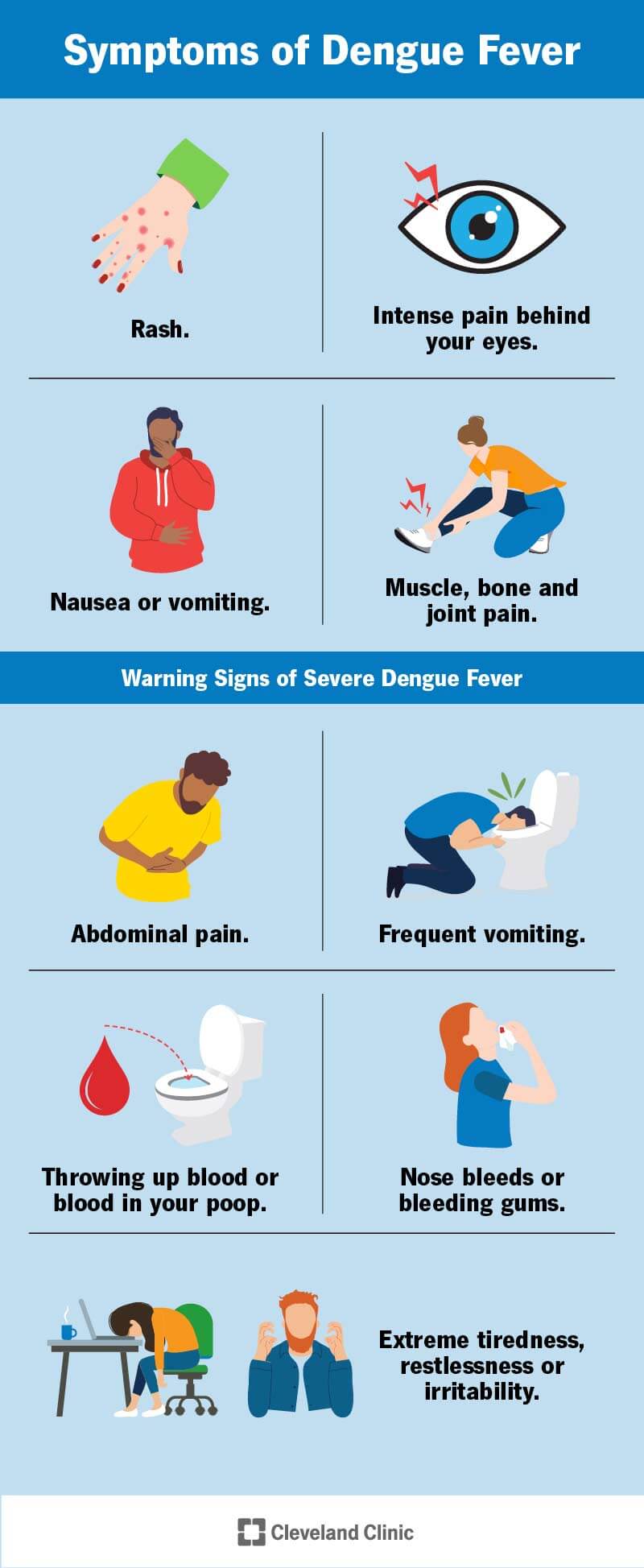
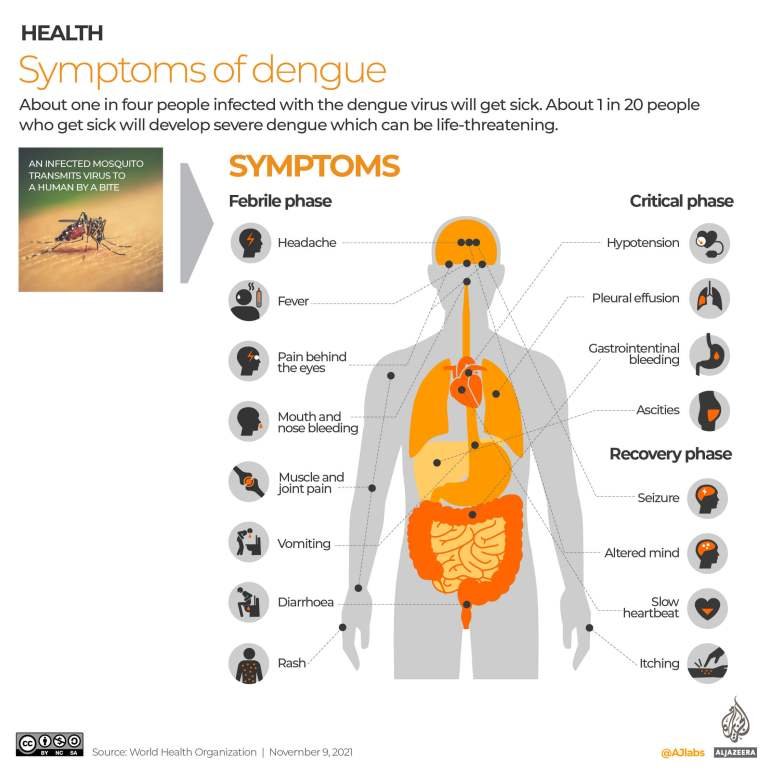
Symptoms of Dengue Hemorrhagic Fever may include sudden high fever, severe abdominal pain, persistent vomiting, difficulty breathing, bleeding gums, easy bruising, black, tarry stools, and decreased urine output. If left untreated, DHF can lead to dengue shock syndrome (DSS), a life-threatening condition characterized by severe bleeding, organ failure, and a decrease in blood pressure. Early recognition and prompt medical intervention are crucial in managing DHF cases.
Transmission and Vector Control
Modes of Dengue Transmission
Dengue is primarily transmitted through the bite of infected Aedes mosquitoes, particularly the Aedes aegypti species. These mosquitoes are most active during the day, with peak biting activity early in the morning and late in the afternoon. Dengue can also be transmitted through blood transfusion, organ transplant, and from mother to child during pregnancy or childbirth.
Primary Vector: Aedes mosquitoes
Aedes mosquitoes are the main vectors responsible for transmitting the dengue virus to humans. They thrive in urban and suburban areas, breeding in standing water collections such as flower vases, discarded tires, and uncovered containers. Female Aedes mosquitoes require blood meals to produce eggs, and they prefer to bite humans. By controlling the Aedes mosquito population, the transmission of dengue can be significantly reduced.
Preventing Mosquito Breeding
Preventing mosquito breeding is crucial in controlling the spread of dengue. This can be achieved by eliminating or properly covering water-holding containers, ensuring proper disposal of solid wastes, and promoting proper water storage practices. Community participation and awareness are essential in maintaining a clean environment that discourages mosquito breeding sites.
Personal Protection Measures
Individuals can protect themselves from mosquito bites by using insect repellents, wearing long-sleeved shirts and long pants, and staying in air-conditioned or screened-in areas. Bed nets treated with insecticides can also provide added protection, particularly during daytime naps or in areas with a high mosquito population. Personal protection measures are especially important in areas with known dengue transmission.
Vector Surveillance and Management
Importance of Vector Surveillance
Vector surveillance plays a crucial role in monitoring mosquito populations, identifying high-risk areas, and implementing targeted interventions. By collecting data on mosquito abundance, distribution, and species composition, public health authorities can make informed decisions regarding vector control strategies. Vector surveillance also helps in early detection of dengue outbreaks, allowing for prompt response and prevention of further transmission.
Methods of Vector Surveillance
Various methods are used for vector surveillance, including entomological surveys, mosquito trapping, and monitoring of larval habitats. These methods can provide valuable information on mosquito density, species composition, and breeding sites. Entomological surveys involve inspecting premises, breeding sites, and potential mosquito resting places, while mosquito trapping utilizes traps baited with attractants to capture adult mosquitoes. Larval habitat monitoring involves inspecting water containers and identifying potential breeding sites.
Larval Source Management
Larval Source Management (LSM) is an integral part of dengue vector control. It involves identification and elimination of mosquito breeding sites through community participation. LSM activities include covering water storage containers, regularly cleaning water containers and drains, and applying larvicides to standing water. Targeted and sustained LSM efforts can significantly reduce mosquito populations and prevent dengue transmission.
Adult Mosquito Control
In addition to larval source management, adult mosquito control measures are also implemented to reduce the mosquito population. These may include space spraying of insecticides, fogging, and the use of insecticide-treated bed nets. Adult mosquito control measures are usually carried out in conjunction with vector surveillance to target areas with high Aedes mosquito densities. It is important to employ environmentally-friendly and safe insecticides to minimize the impact on human health and the ecosystem.
Community Education and Awareness
Importance of Community Education
Community education is vital in raising awareness about dengue fever and DHF, as well as promoting preventive measures. By educating the public, individuals can become empowered to take steps to protect themselves and their communities from dengue. Community education should focus on the transmission of dengue, symptoms of DHF, mosquito control measures, and the importance of seeking timely medical care.
Promoting Awareness through Information Dissemination
Information dissemination is essential to reach a wide audience and promote dengue awareness. This can be done through various channels, such as mass media campaigns, social media platforms, community meetings, and educational materials. Public health authorities should collaborate with local media outlets and community leaders to ensure accurate and timely information reaches the public. Information should be presented in a clear, concise, and culturally-sensitive manner.
Collaborating with Local Organizations
Collaborating with local organizations, such as schools, religious institutions, and community groups, can enhance the effectiveness of community education initiatives. These organizations serve as trusted sources of information and can help disseminate messages about dengue prevention and control to their members. By working together, public health authorities and local organizations can maximize their efforts in creating a dengue-free community.
Supporting Behavioral Change
Community education should not only focus on increasing knowledge but also on promoting behavior change. Individuals need to understand the importance of taking proactive measures to prevent mosquito breeding, such as proper waste disposal and regular cleaning of water containers. Encouraging behavioral change through community engagement and support can lead to sustainable dengue prevention practices.

Dengue Vaccination Programs
Introducing Dengue Vaccines
Dengue vaccines are a promising tool for preventing dengue fever and DHF. Several dengue vaccines have been developed and approved for use in certain countries. These vaccines work by stimulating the immune system to produce antibodies against the dengue virus, providing protection against all four serotypes. Vaccination programs aim to reduce dengue transmission, lower the incidence of severe cases, and ultimately prevent outbreaks.
Efficacy and Availability
The efficacy and availability of dengue vaccines vary depending on the vaccine product and country-specific regulations. Some dengue vaccines have shown efficacy in reducing the risk of severe disease and hospitalization. Vaccination campaigns target high-risk populations, such as children and individuals living in dengue-endemic areas. Continued research and monitoring are crucial to assess the long-term efficacy and safety of dengue vaccines.
Implementing Vaccination Campaigns
Implementing vaccination campaigns requires careful planning, coordination, and collaboration between healthcare providers, public health authorities, and community stakeholders. Strategies may include targeting schools and healthcare facilities for vaccine administration, conducting public awareness campaigns to promote vaccine acceptance, and ensuring adequate vaccine supply and storage. Monitoring and evaluation are essential in assessing the impact of vaccination campaigns and making necessary adjustments.
Challenges and Future Prospects
Despite the potential of dengue vaccines, there are challenges in implementing vaccination programs in resource-limited settings. These challenges include cost, vaccine access, vaccine effectiveness against all serotypes, and vaccine hesitancy. Ongoing research and development efforts aim to address these challenges and improve vaccine efficacy and availability. Additionally, integrated approaches that combine vaccination with other preventive measures can further enhance dengue control strategies.
Integrated Vector Management Strategies
Holistic Approach to Vector Management
Integrated Vector Management (IVM) is a comprehensive and coordinated approach to controlling vector-borne diseases like dengue. It involves combining various interventions, such as vector surveillance, larval source management, adult mosquito control, community education, and vaccination, into a holistic strategy. IVM emphasizes the importance of multi-sectoral collaboration and evidence-based decision-making to achieve sustainable vector control.
Coordinated Efforts between Health and Environmental Sectors
Vector control efforts require collaboration between the health sector and environmental and other relevant sectors. This includes close coordination between public health authorities, environmental agencies, local governments, and community organizations. By working together, these sectors can share resources, expertise, and information, ensuring a comprehensive and effective response to dengue prevention and control.
Integrated Pest Management Techniques
Integrated Pest Management (IPM) techniques are an essential component of IVM. IPM involves the use of a variety of control methods, including biological control agents, insecticides, and cultural practices, to manage vector populations. By employing a risk-based approach and considering ecological factors, IPM minimizes the use of chemical insecticides and focuses on sustainable and environmentally-friendly strategies.
Stakeholder Engagement
Stakeholder engagement is crucial in implementing IVM strategies. Effective engagement of all relevant stakeholders, including government agencies, non-governmental organizations, healthcare providers, and the community, promotes ownership, collaboration, and sustainability. By involving stakeholders in decision-making processes, their perspectives, expertise, and resources can contribute to the development and implementation of effective dengue control programs.

Enhancing Healthcare Systems
Early Detection and Diagnosis
Early detection and diagnosis of dengue and DHF cases are essential in preventing severe outcomes. Healthcare systems should have well-established guidelines for case detection, as well as access to reliable diagnostic tools. Healthcare providers should be trained to recognize the symptoms of dengue and conduct appropriate laboratory testing to confirm the diagnosis. Early detection allows for prompt medical intervention and reduces the risk of complications.
Clinical Management of DHF Cases
Effective clinical management is crucial in reducing morbidity and mortality associated with DHF. This includes close monitoring of vital signs, fluid management to maintain hydration and prevent shock, and prompt treatment of any bleeding complications. Healthcare providers should follow established treatment protocols and guidelines to ensure standardized and quality care for DHF cases.
Strengthening Healthcare Infrastructure
Strengthening healthcare infrastructure is essential in improving dengue prevention and control. This includes enhancing laboratory capacity for dengue diagnosis, establishing surveillance systems for early detection and reporting, and ensuring access to appropriate treatment and care. Adequate training and resources should be provided to healthcare workers to enhance their capacity in managing dengue cases effectively.
Capacity Building and Training
Capacity building and training programs are vital in equipping healthcare providers with the knowledge and skills needed to tackle dengue and DHF. These programs should encompass various aspects, including clinical management, laboratory diagnosis, surveillance, and outbreak response. Continuous professional development opportunities and regular updates are essential in keeping healthcare providers up-to-date with the latest advancements in dengue management.
Surveillance and Rapid Response
Early Warning Systems
Early warning systems play a crucial role in detecting and responding to dengue outbreaks promptly. Surveillance data on dengue cases, vector abundance, and climate patterns can be used to develop predictive models and risk maps. These tools can help identify areas at high risk for dengue transmission, allowing public health authorities to prioritize interventions and resource allocation.
Case Reporting and Data Analysis
Efficient case reporting and data analysis are essential in monitoring dengue transmission and evaluating the effectiveness of control measures. Timely and accurate reporting of cases allows for the identification of trends and patterns, enabling public health authorities to take appropriate actions. Data analysis provides insights into the impact of interventions, identifies gaps in control efforts, and facilitates evidence-based decision-making.
Emergency Response Planning
Emergency response planning is crucial to ensure a swift and effective response to dengue outbreaks. This includes developing and testing response plans, establishing communication systems, and coordinating resources for outbreak control. Public health authorities should work closely with healthcare facilities, emergency management agencies, and other stakeholders to ensure a coordinated and efficient response to dengue emergencies.
Healthcare Provider Training
Healthcare providers play a key role in the surveillance and response to dengue outbreaks. Training programs should be implemented to enhance their skills in case detection, reporting, and management. Healthcare providers should be familiar with outbreak response protocols and be prepared to escalate their efforts during times of increased dengue activity. Regular training and drills can help ensure a prompt and effective response.
International Cooperation and Collaboration
Global Partnerships for DHF Prevention
International cooperation and collaboration are crucial in preventing and controlling dengue on a global scale. Global partnerships, such as the World Health Organization (WHO) and other international health organizations, facilitate the exchange of information, resources, and best practices. These partnerships support countries in implementing effective strategies and interventions, particularly in regions where dengue is endemic.
Sharing of Best Practices
Sharing best practices and lessons learned is essential in improving dengue prevention and control efforts worldwide. Countries with successful approaches in dengue control can share their experiences and strategies with others, enabling them to adapt and adopt effective interventions. The exchange of knowledge and experiences contributes to continuous improvement and strengthens global efforts to combat dengue.
Resource Mobilization
Mobilizing resources is essential in ensuring the availability of necessary funds, technical assistance, and materials for dengue prevention and control. International organizations, governments, and donors should collaborate to support countries in implementing their dengue control programs. Resource mobilization should be guided by country-specific needs and priorities, aiming for sustainable and long-term investments in dengue prevention.
Cross-border Cooperation
Dengue knows no borders, and cross-border cooperation is crucial in preventing the spread of the disease. Neighboring countries should collaborate to share information on dengue cases, vector surveillance data, and control efforts. Joint activities, such as synchronized vector control campaigns and coordinated border screening, can help prevent the importation and exportation of dengue cases and reduce the burden of the disease in the region.
Monitoring and Evaluation
Importance of Monitoring and Evaluation
Monitoring and evaluation are essential components of dengue prevention and control programs. They provide feedback on the effectiveness of interventions, help identify areas for improvement, and guide policy and resource allocation decisions. By closely monitoring key indicators, countries can track progress towards dengue prevention targets and continuously improve their strategies.
Indicators for DHF Prevention
Indicators for DHF prevention encompass various aspects, including disease surveillance, vector control, healthcare system capacity, and community engagement. These indicators may include the number of reported dengue cases, mosquito density, coverage of dengue control interventions, healthcare facility readiness, and public awareness levels. Tracking these indicators allows for the identification of gaps and opportunities for strengthening dengue prevention efforts.
Data Collection and Analysis
Effective monitoring and evaluation rely on accurate and timely data collection and analysis. Data should be collected using standardized methods and tools, ensuring consistency and comparability across different regions. Robust data management systems should be in place to facilitate data analysis and reporting. Data should be analyzed regularly to identify trends, evaluate the impact of interventions, and inform decision-making.
Continuous Improvement
Continuous improvement is a fundamental principle in dengue prevention and control. It involves using data and feedback to identify areas for improvement, implement necessary changes, and monitor the results. Regular program reviews, stakeholder consultations, and feedback mechanisms can facilitate continuous improvement efforts. By striving for excellence and innovation, countries can enhance their dengue prevention strategies and achieve better health outcomes.
In conclusion, understanding Dengue Hemorrhagic Fever is crucial in implementing effective prevention and control measures. By addressing the causes, symptoms, transmission, and management of DHF, communities, healthcare systems, and international partners can work together to reduce the burden of this severe disease. Through comprehensive strategies, including vector control, community education, vaccination, and healthcare system strengthening, the fight against dengue continues with the aim of protecting individuals and creating dengue-free communities.