
You’ll be amazed to discover the intricate details of Dengue Hemorrhagic Fever, more commonly known as DHF. This article will provide you with a comprehensive understanding of this potentially life-threatening disease, from its causes and symptoms to its prevention and treatment. Delve into the world of DHF and equip yourself with the knowledge to stay safe and protected from this alarming health concern.
What is Dengue Hemorrhagic Fever?
Dengue Hemorrhagic Fever (DHF) is a severe and potentially life-threatening form of dengue virus infection. It is characterized by bleeding, organ damage, and shock. DHF is caused by one of the four serotypes of the dengue virus and is primarily transmitted by the Aedes mosquito.
Definition
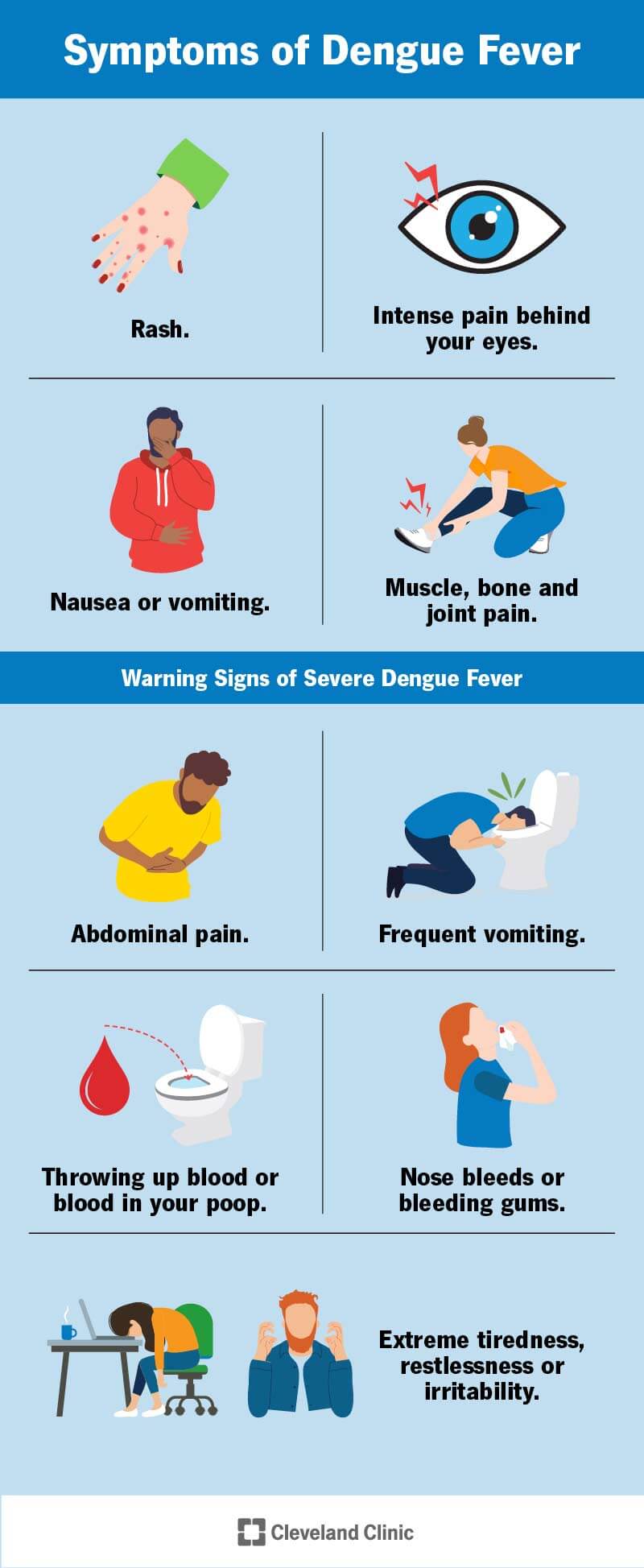
Dengue Hemorrhagic Fever is a viral infection that affects the blood vessels and can lead to severe bleeding and organ failure. It is characterized by high fever, intense headache, joint and muscle pain, rash, and bleeding manifestations such as nosebleeds, bleeding gums, and easy bruising.
Causes
DHF is caused by infection with any one of the four serotypes of the dengue virus (DENV-1, DENV-2, DENV-3, and DENV-4). These viruses are transmitted to humans through the bite of infected Aedes mosquitoes, primarily Aedes aegypti. The virus can also be transmitted through blood transfusion, organ transplantation, or from mother to child during pregnancy.
Transmission
The Aedes mosquito is the primary vector for the transmission of the dengue virus. Mosquitoes become infected with the virus when they feed on a person who has dengue. The virus then replicates in the mosquito’s salivary glands and can be transmitted to a new host when the mosquito bites again. Aedes mosquitoes are most active during the day, with peak biting times in the early morning and late afternoon.
Symptoms
The symptoms of DHF are similar to those of dengue fever but may be more severe. Common symptoms include high fever, severe headache, joint and muscle pain, rash, and bleeding manifestations such as nosebleeds, bleeding gums, and easy bruising. Other symptoms may include abdominal pain, vomiting, difficulty breathing, and organ dysfunction.
Diagnosis of Dengue Hemorrhagic Fever
Early and accurate diagnosis of DHF is crucial for proper management and treatment. Diagnosis involves a combination of clinical evaluation and laboratory tests.
Clinical Evaluation
A healthcare professional will evaluate your symptoms, medical history, and perform a physical examination to determine if you have DHF. The evaluation may include assessing your fever pattern, looking for signs of bleeding or organ damage, and checking for other possible causes of your symptoms.
Laboratory Tests
Laboratory tests are essential for confirming a diagnosis of DHF. These tests may include:
-
Dengue serology: This involves testing a blood sample for the presence of antibodies against the dengue virus. Different tests, such as enzyme-linked immunosorbent assay (ELISA), can detect the presence of viral antigens or antibodies.
-
Polymerase chain reaction (PCR): PCR is a molecular technique that can detect and identify the genetic material of the dengue virus in a blood sample.
-
Complete blood count (CBC): A CBC can reveal changes in your blood cell counts, such as a decrease in platelets. Platelet count is often low in patients with DHF.
Differential Diagnosis
DHF shares symptoms with other febrile illnesses, such as malaria and typhoid fever. Differential diagnosis helps to differentiate DHF from these conditions and guide appropriate treatment.

Treatment and Management
Prompt and appropriate management of DHF is crucial to reduce the risk of complications and mortality. Treatment focuses on supportive care, fluid replacement, pain management, close monitoring, and hospitalization if necessary.
Fluid Replacement
Fluid replacement is a cornerstone of DHF management. IV fluids are administered to maintain hydration, replace fluid loss, and restore electrolyte balance. Severe cases may require hospitalization and intravenous fluid infusion to prevent shock.
Pain Management
Pain relievers, such as acetaminophen, may be used to alleviate the intense headache, joint, and muscle pain associated with DHF. Non-steroidal anti-inflammatory drugs (NSAIDs) should be avoided due to the risk of bleeding.
Close Monitoring
Close monitoring of vital signs, fluid balance, and laboratory parameters is crucial in determining the progression and severity of DHF. Regular monitoring of blood pressure, heart rate, respiratory rate, urine output, and hematocrit levels helps assess the patient’s condition and guide treatment decisions.
Hospitalization
Patients with severe DHF may require hospitalization for closer observation and management. Hospitalization allows for close monitoring, administration of intravenous fluids, and immediate access to emergency medical interventions if complications arise.
Supportive Care
Supportive care involves managing complications and providing symptomatic relief. This may include measures to control bleeding, maintenance of respiratory function, and treatment of other organ dysfunction. Blood transfusions may be necessary in cases of severe bleeding.
Complications of Dengue Hemorrhagic Fever
DHF can lead to various complications, some of which can be life-threatening if not managed promptly.
Severe Bleeding
One of the most significant complications of DHF is severe bleeding, which can manifest as gastrointestinal bleeding, heavy menstrual bleeding, or bleeding from the nose and gums. Severe bleeding can lead to anemia, shock, and organ damage.
Organ Damage
DHF can cause damage to various organs, including the liver, heart, and kidneys. Liver damage can manifest as elevated liver enzymes and jaundice. Heart involvement can lead to myocarditis and impaired cardiac function. Kidney damage can result in acute kidney injury.
Shock
DHF can progress to a state of shock, known as dengue shock syndrome (DSS). Shock occurs when the circulatory system is unable to maintain adequate blood flow to the organs, leading to organ failure and potentially death. Prompt recognition and management of shock are crucial.
Organ Failure
If DHF is left untreated or not managed appropriately, it can result in multiple organ failure. Organ failure occurs when the organs are unable to perform their functions adequately, leading to life-threatening complications and potential long-term consequences.

Prevention and Control Measures
Prevention and control of DHF primarily focus on reducing the risk of mosquito bites and controlling mosquito populations.
Vector Control
Vector control measures aim to reduce mosquito breeding sites and eliminate adult mosquitoes. This includes removing stagnant water sources, using larvicides in water containers, and using insecticides to kill adult mosquitoes.
Environmental Management
Improving the physical environment can help minimize mosquito breeding sites. This involves proper solid waste management, clearing of vegetation, and better drainage systems to prevent the accumulation of stagnant water.
Community Education
Raising awareness and educating communities about dengue prevention and control is essential. This includes teaching individuals about the importance of eliminating mosquito breeding sites, personal protection measures such as wearing long sleeves and using mosquito repellents, and seeking early medical care for suspected cases.
Vaccine Development
Efforts to develop a dengue vaccine are ongoing. Vaccination programs can play a crucial role in preventing dengue transmission and reducing the burden of severe dengue cases. Currently, several dengue vaccines are available in some countries for specific age groups, but their effectiveness varies.
Epidemiology and Global Impact
Dengue Hemorrhagic Fever is a significant global health burden, particularly in tropical and subtropical regions.
Global Burden
According to the World Health Organization (WHO), around 3.9 billion people in over 128 countries are at risk of dengue infection. It is estimated that there are approximately 390 million dengue infections each year, of which around 100 million exhibit clinical manifestations. A significant proportion of these cases are severe dengue cases, including DHF.
Geographical Distribution
Dengue is endemic in many countries across the world, with the highest incidence reported in Southeast Asia, the Western Pacific, and the Americas. However, due to globalization, increased travel, and urbanization, dengue is now being observed in regions where it was previously rare or absent.
Outbreaks and Trends
Dengue outbreaks can occur when favorable environmental conditions and population factors align. Factors such as climate change, increased urbanization, and inadequate mosquito control contribute to the occurrence of outbreaks. Monitoring and early detection of outbreaks are crucial for implementing effective control measures.

Risk Factors for Dengue Hemorrhagic Fever
Certain factors can increase the risk of developing severe dengue, including DHF.
Age
Children are at higher risk of developing severe dengue, including DHF. Younger age groups, especially infants and young children, are more vulnerable to severe disease manifestations and complications.
Co-infection
Co-infection with multiple dengue virus serotypes increases the risk of developing severe dengue. Previous infection with one serotype does not provide lifelong immunity against the other serotypes but may increase the risk of severe disease upon subsequent infections.
Immune Status
Individuals with a weakened immune system, such as those with certain medical conditions or taking immunosuppressive medications, may be at higher risk of developing severe dengue.
Public Health Response and Surveillance
Efficient public health response and surveillance systems are crucial in controlling and managing dengue outbreaks.
Underreporting and Surveillance Challenges
Underreporting of dengue cases is a significant challenge, as many cases go unreported or misdiagnosed. Improving surveillance systems and strengthening reporting mechanisms are essential for better understanding the true burden of dengue and timely implementation of control measures.
Integrated Disease Management
Integrated disease management involves a multidisciplinary approach, including healthcare providers, vector control organizations, and public health authorities. Collaborative efforts are essential to prevent and control dengue outbreaks effectively.
Healthcare Infrastructure Strengthening
Strengthening healthcare infrastructure, particularly in endemic regions, is crucial for effective management of DHF cases. This includes ensuring access to essential medicines, training healthcare workers, and improving laboratory facilities for accurate diagnosis and prompt treatment.

Research and Future Directions
Ongoing research and future efforts aim to improve our understanding of DHF and develop better prevention and treatment strategies.
Understanding Immune Response
Research focused on understanding the host immune response to dengue infection can help identify potential targets for therapeutics and vaccine development. Studying factors that contribute to the development of severe disease can guide clinical management and risk stratification.
Novel Treatments and Therapeutics
Researchers are exploring novel treatments and therapeutics for DHF, including antiviral drugs, immune-based therapies, and targeted interventions to prevent severe dengue manifestations. These efforts aim to improve patient outcomes and reduce mortality rates.
Vaccine Efficacy Studies
Ongoing studies are evaluating the effectiveness and safety of existing dengue vaccines and exploring the development of new vaccines. Such studies are crucial in determining the efficacy, durability, and potential use of vaccines in various populations, including those at high risk of DHF.
Conclusion
Dengue Hemorrhagic Fever is a severe form of dengue virus infection that can lead to life-threatening complications. Timely diagnosis, appropriate management, and preventive measures are crucial in combating the global burden of DHF. By improving vector control efforts, strengthening healthcare systems, and supporting research advancements, we can work towards reducing the impact and incidence of DHF worldwide.
Summary
Dengue Hemorrhagic Fever (DHF) is a severe form of dengue virus infection characterized by bleeding, organ damage, and shock. It is caused by one of the four serotypes of the dengue virus and transmitted by the Aedes mosquito. Early diagnosis through clinical evaluation and laboratory tests is essential. Treatment involves fluid replacement, pain management, close monitoring, and hospitalization if necessary. Complications of DHF include severe bleeding, organ damage, shock, and organ failure. Preventive measures such as vector control, environmental management, community education, and vaccine development are crucial in preventing the spread of DHF. DHF is a global health burden, with outbreaks and trends observed in various regions. Risk factors for severe dengue include age, co-infection, and immune status. Public health response and surveillance systems, along with research advancements, play a vital role in controlling and managing DHF. Increasing awareness and understanding the importance of prevention can help mitigate the impact of DHF and reduce its global burden.
Importance of Awareness
Raising awareness about dengue hemorrhagic fever is essential in preventing its spread and reducing the impact on individuals and communities. By educating individuals about the signs and symptoms of DHF, the importance of early diagnosis, and preventive measures, we can empower people to protect themselves and their communities. Building knowledge about DHF among healthcare professionals, policymakers, and the general public can lead to improved surveillance, more effective control measures, and better management of cases. With increased awareness, we can work towards reducing the global burden of DHF and improving the overall health and well-being of individuals worldwide.