
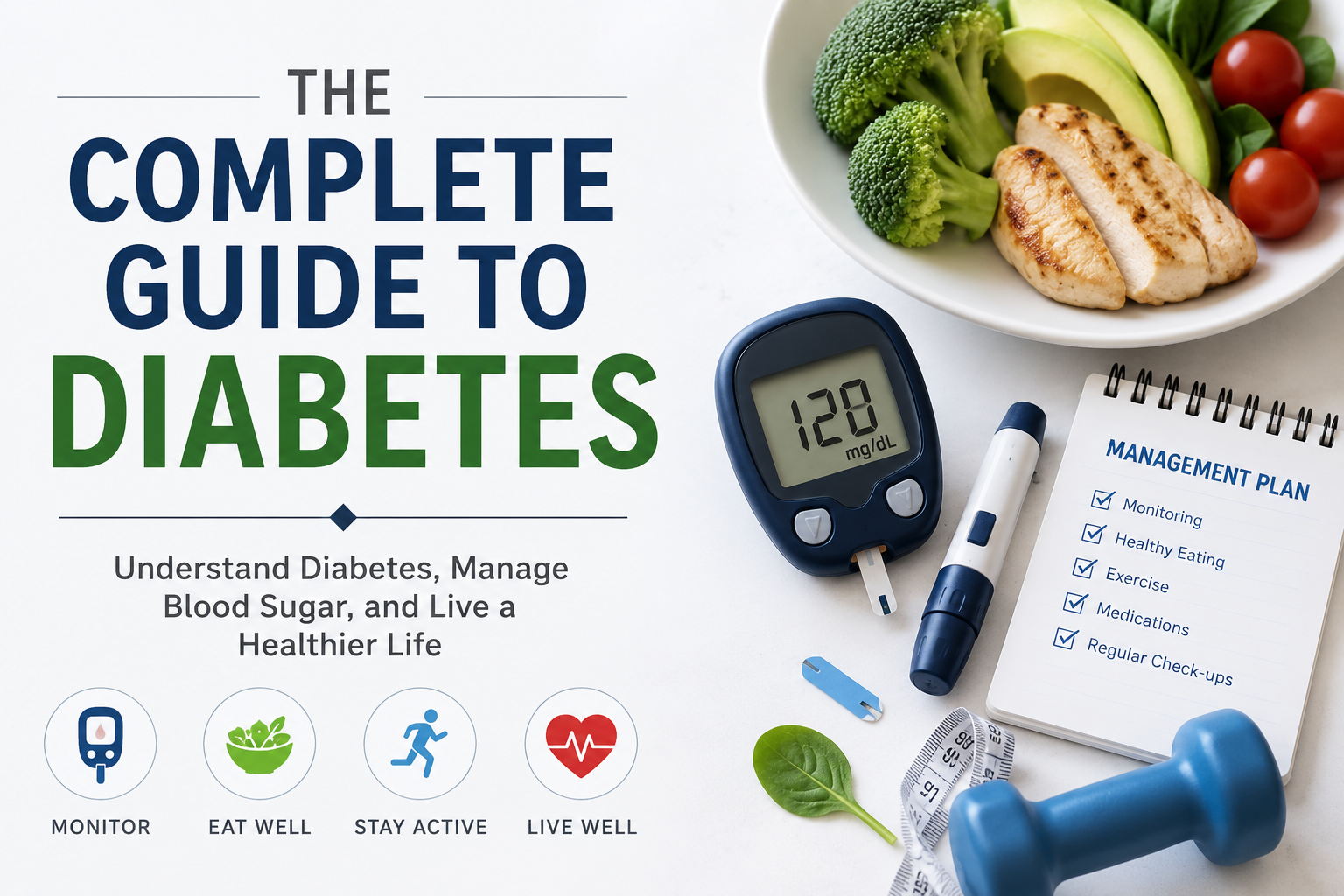
Understanding Diabetes, Managing Blood Sugar, and Living a Healthier Life
Hearing the word “diabetes” can feel overwhelming.
Many people immediately think about medications, blood sugar numbers, insulin injections, dietary restrictions, or serious complications. Some worry that life will never be the same again.
The truth is that millions of people live active, productive, and fulfilling lives with diabetes every day.
Knowledge is one of the most powerful tools you can have.
The more you understand diabetes, the better prepared you will be to manage it, reduce your risk of complications, and make confident decisions about your health.
Whether you have recently been diagnosed, have been living with diabetes for years, are concerned about prediabetes, or are caring for someone with diabetes, this guide is designed to help you understand the condition in simple, practical language.
In this guide, you will learn:
- What diabetes is
- Why it develops
- Common symptoms
- How diabetes is diagnosed
- Treatment options
- Lifestyle strategies that help
- Foods that support healthy blood sugar control
- Potential complications
- How to live well with diabetes
Most importantly, you’ll discover that diabetes management is not about perfection. It is about making consistent choices that support your long-term health.
Section 1
What Is Diabetes?
Diabetes mellitus is a chronic medical condition that affects how your body processes glucose, commonly known as blood sugar.
Glucose is the body’s primary source of energy.
Every time you eat carbohydrates such as bread, rice, fruit, potatoes, or sweets, your digestive system breaks those foods down into glucose.
That glucose enters your bloodstream and is used by your cells for energy.
To move glucose from the bloodstream into the cells, your body relies on a hormone called insulin.
Insulin is produced by the pancreas, an organ located behind the stomach.
Think of insulin as a key.
The key unlocks the door to your body’s cells, allowing glucose to enter and provide energy.
When diabetes develops, one of two things usually happens:
- The body does not produce enough insulin
- The body does not use insulin effectively
As a result, glucose builds up in the bloodstream rather than entering the cells where it is needed.
Over time, elevated blood sugar levels can damage blood vessels, nerves, organs, and tissues throughout the body.
Types of Diabetes
Type 1 Diabetes
Type 1 diabetes is an autoimmune condition.
The body’s immune system mistakenly attacks and destroys insulin-producing cells in the pancreas.
People with Type 1 diabetes produce little or no insulin and require insulin therapy for survival.
Type 1 diabetes often develops during childhood or adolescence but can occur at any age.
Type 2 Diabetes
Type 2 diabetes is the most common form of diabetes.
In Type 2 diabetes:
- The body becomes resistant to insulin
• The pancreas may not produce enough insulin
• Blood sugar gradually rises
Type 2 diabetes is strongly associated with:
- Excess body weight
• Physical inactivity
• Family history
• Aging
• Metabolic syndrome
Many people have Type 2 diabetes for years before being diagnosed.
Prediabetes
Prediabetes occurs when blood sugar levels are higher than normal but not yet high enough to qualify as diabetes.
Prediabetes is an important warning sign.
Without intervention, many individuals with prediabetes eventually develop Type 2 diabetes.
The encouraging news is that lifestyle changes can often delay or prevent progression.
Gestational Diabetes
Gestational diabetes develops during pregnancy.
Hormonal changes during pregnancy can make it harder for the body to use insulin effectively.
Although blood sugar often returns to normal after delivery, women who develop gestational diabetes have an increased risk of developing Type 2 diabetes later in life.
How Common Is Diabetes?
Diabetes is one of the most common chronic diseases worldwide.
Millions of Americans currently live with diabetes, and many more have prediabetes without knowing it.
Because diabetes can develop gradually, many individuals are diagnosed only after routine laboratory testing or when complications begin to appear.
Section 2
Signs and Symptoms of Diabetes
Many people are surprised to learn that diabetes can develop silently.
Symptoms may appear gradually and may initially be mistaken for stress, aging, poor sleep, or other health concerns.
Common Symptoms of Diabetes
Increased Thirst
One of the earliest signs of diabetes is excessive thirst.
As blood sugar levels rise, the body attempts to excrete excess glucose in the urine.
This increases fluid loss and can leave you feeling constantly thirsty.
Frequent Urination
Because the kidneys work harder to remove excess sugar, urination becomes more frequent.
Many people notice:
- Waking multiple times at night
• Increased daytime urination
• Sudden urgency
Increased Hunger
Even though blood sugar levels are elevated, cells may not be receiving enough glucose.
As a result, the body may signal increased hunger.
Fatigue
Persistent tiredness is common.
Without adequate glucose entering cells, energy production becomes less efficient.
Many people describe feeling:
- Drained
• Weak
• Mentally foggy
• Less productive
Blurred Vision
Elevated blood sugar can affect fluid balance in the eyes.
Temporary blurred vision may occur, especially when blood sugar levels fluctuate significantly.
Slow Healing
Cuts, scrapes, and wounds may take longer to heal.
This occurs because high blood sugar can impair circulation and immune function.
Unexplained Weight Loss
This symptom is more common in Type 1 diabetes.
Without sufficient insulin, the body begins breaking down fat and muscle for energy.
Frequent Infections
High blood sugar can weaken immune defenses.
Individuals may experience:
- Skin infections
• Urinary tract infections
• Yeast infections
• Gum disease
Tingling or Numbness
Nerve damage caused by elevated blood sugar can produce:
- Burning sensations
• Tingling
• Numbness
Most commonly affecting the feet and hands.
Diabetes Symptom Checklist
Common warning signs include:
✓ Increased thirst
✓ Frequent urination
✓ Increased hunger
✓ Fatigue
✓ Blurred vision
✓ Slow-healing wounds
✓ Frequent infections
✓ Tingling or numbness
✓ Unexplained weight loss
✓ Brain fog
✓ Dry skin
✓ Irritability
Symptoms That Should Prompt Medical Evaluation
Seek medical attention if you experience:
- Persistent excessive thirst
- Significant unexplained weight loss
- Persistent fatigue
- Recurrent infections
- Changes in vision
- Numbness or tingling
- Elevated home blood sugar readings
Early diagnosis can significantly reduce the risk of complications.
Section 3
What Causes Diabetes?
Diabetes develops when the body’s ability to regulate blood sugar becomes impaired.
The exact cause depends on the type of diabetes.
Causes of Type 1 Diabetes
Researchers believe Type 1 diabetes results from a combination of:
- Genetic susceptibility
- Autoimmune reactions
- Environmental triggers
The immune system mistakenly destroys insulin-producing beta cells within the pancreas.
Because insulin production becomes severely limited, blood sugar rises.
The exact trigger remains unknown.
Causes of Type 2 Diabetes
Type 2 diabetes develops gradually over time.
The primary factors include:
Insulin Resistance
Cells become less responsive to insulin.
The pancreas attempts to compensate by producing more insulin.
Eventually, insulin production can no longer keep pace with demand.
Excess Body Weight
Carrying excess body fat, especially around the abdomen, increases insulin resistance.
Physical Inactivity
Regular physical activity helps the body use insulin more efficiently.
Sedentary lifestyles contribute to insulin resistance.
Genetics
Family history significantly increases risk.
If a parent or sibling has diabetes, your risk is higher.
Aging
Risk increases with age, particularly after age 45.
Chronic Stress
Long-term stress can affect hormones involved in blood sugar regulation.
Poor Sleep
Sleep deprivation can worsen insulin resistance and increase appetite.
Section 4
Risk Factors for Diabetes
Certain factors increase the likelihood of developing diabetes. While some risk factors cannot be changed, many can be modified through healthy lifestyle choices.
Risk Factors for Type 2 Diabetes
Excess Body Weight
Being overweight, particularly carrying excess abdominal fat, significantly increases insulin resistance.
Waist circumference often predicts diabetes risk better than overall body weight.
Physical Inactivity
Regular movement helps muscles use glucose more efficiently.
People who spend much of the day sitting may have a higher risk of developing diabetes.
Family History
Your risk increases if:
- A parent has diabetes
- A sibling has diabetes
- Multiple family members have diabetes
Genetics play an important role, although lifestyle factors still matter.
Age
The risk of Type 2 diabetes increases with age.
However, diabetes is now being diagnosed more frequently in younger adults and even adolescents due to rising obesity rates and sedentary lifestyles.
Prediabetes
Prediabetes is one of the strongest predictors of future diabetes.
Without intervention, many individuals with prediabetes eventually develop Type 2 diabetes.
High Blood Pressure
Hypertension and diabetes often occur together because they share many of the same risk factors.
Abnormal Cholesterol Levels
Low HDL (“good cholesterol”) and elevated triglycerides are associated with increased diabetes risk.
History of Gestational Diabetes
Women who experienced diabetes during pregnancy have a higher likelihood of developing Type 2 diabetes later in life.
Polycystic Ovary Syndrome (PCOS)
Women with PCOS often experience insulin resistance, which can increase diabetes risk.
Diabetes Risk Factor Checklist
You may be at increased risk if you:
✓ Are overweight
✓ Have a family history of diabetes
✓ Are physically inactive
✓ Have high blood pressure
✓ Have abnormal cholesterol levels
✓ Have prediabetes
✓ Have a history of gestational diabetes
✓ Have PCOS
✓ Are over age 45
✓ Have heart disease
Section 5
How Doctors Diagnose Diabetes
Diabetes cannot be diagnosed based on symptoms alone.
Healthcare providers use laboratory testing to evaluate blood sugar levels.
A1C Test
The A1C test measures average blood sugar levels over the previous two to three months.
Many providers use this test because it reflects long-term glucose control rather than a single moment in time.
General ranges include:
Normal:
Below 5.7%
Prediabetes:
5.7% to 6.4%
Diabetes:
6.5% or higher
Your healthcare provider will interpret your results based on your individual situation.
Fasting Blood Glucose Test
This test measures blood sugar after fasting for at least eight hours.
Higher-than-normal fasting glucose levels may indicate prediabetes or diabetes.
Oral Glucose Tolerance Test
This test measures how effectively the body processes glucose.
Blood sugar is measured after drinking a glucose-containing beverage.
This test is often used during pregnancy to screen for gestational diabetes.
Random Blood Sugar Test
Blood sugar is measured regardless of when you last ate.
Very high blood sugar levels combined with symptoms may support a diabetes diagnosis.
Additional Evaluations
After diagnosis, providers may order additional testing to evaluate:
- Kidney function
- Cholesterol levels
- Liver function
- Cardiovascular risk
- Eye health
- Nerve health
These evaluations help identify complications early.
Section 6
Treatment Options
Diabetes treatment aims to maintain blood sugar levels within a healthy range while reducing the risk of complications.
Treatment plans vary depending on the type of diabetes, age, overall health, and other medical conditions.
Lifestyle Modification
Lifestyle changes form the foundation of diabetes management.
Many people improve blood sugar control through:
- Nutrition improvements
- Weight management
- Regular exercise
- Better sleep habits
- Stress management
Even modest lifestyle improvements can produce meaningful health benefits.
Oral Diabetes Medications
Many people with Type 2 diabetes take oral medications.
These medications may help by:
- Improving insulin sensitivity
- Reducing glucose production
- Enhancing insulin release
- Slowing glucose absorption
Medication choices vary widely and should be individualized by healthcare providers.
Injectable Medications
Some individuals benefit from injectable therapies that help regulate blood sugar and appetite.
These medications may support:
- Better glucose control
- Weight management
- Reduced cardiovascular risk
Insulin Therapy
People with Type 1 diabetes require insulin.
Some people with Type 2 diabetes also need insulin, particularly when blood sugar remains elevated despite other treatments.
Modern insulin therapy offers multiple options including:
- Long-acting insulin
- Rapid-acting insulin
- Insulin pens
- Insulin pumps
Many people live full, active lives while using insulin.
Continuous Glucose Monitoring (CGM)
CGM systems continuously measure glucose levels throughout the day.
Benefits include:
- Better understanding of blood sugar patterns
- Reduced finger sticks
- Early detection of high or low blood sugar
- Improved treatment decisions
Section 7
Lifestyle Changes That Help
Lifestyle changes often have a profound impact on blood sugar management.
Small, consistent improvements often produce better results than extreme short-term efforts.
Focus on Balanced Nutrition
A diabetes-friendly eating pattern generally includes:
- Vegetables
- Lean protein
- Healthy fats
- High-fiber foods
- Whole grains when appropriate
- Controlled portions
The goal is not perfection.
The goal is creating sustainable habits.
Maintain a Healthy Weight
For individuals who are overweight, even modest weight loss can improve insulin sensitivity.
Many studies have shown that losing as little as 5% to 10% of body weight may significantly improve blood sugar control.
Exercise Regularly
Physical activity helps muscles use glucose more effectively.
Examples include:
- Walking
- Cycling
- Swimming
- Strength training
- Gardening
- Dancing
Aim for consistency rather than intensity.
Improve Sleep Quality
Poor sleep can:
- Increase insulin resistance
- Increase hunger hormones
- Promote weight gain
- Raise blood sugar levels
Most adults benefit from seven to nine hours of quality sleep per night.
Manage Stress
Stress hormones can increase blood sugar levels.
Helpful stress-management techniques include:
- Deep breathing
- Prayer
- Meditation
- Walking
- Journaling
- Social connection
- Relaxation exercises
Stay Hydrated
Adequate hydration supports overall health and helps the body regulate blood sugar more effectively.
Water should be the primary beverage for most individuals.
Section 8
Foods That Help and Foods to Limit
Food choices have a major influence on blood sugar levels.
No single food cures diabetes, but some foods support better glucose control than others.
Foods That May Help
| Food | Potential Benefit |
| Leafy Greens | High fiber, low calorie |
| Broccoli | Nutrient dense |
| Berries | Rich in antioxidants |
| Beans | High fiber and protein |
| Lentils | Slow glucose absorption |
| Nuts | Healthy fats and satiety |
| Seeds | Fiber and minerals |
| Salmon | Omega-3 fatty acids |
| Eggs | Protein and satiety |
| Avocados | Healthy fats |
Foods to Limit
| Food | Why Limit |
| Sugary beverages | Rapid blood sugar spikes |
| Candy | High sugar content |
| Pastries | Refined carbohydrates |
| White bread | Quick glucose rise |
| Sweetened cereals | Added sugars |
| Excessive desserts | High calorie and sugar load |
| Energy drinks | High sugar content |
| Sweet tea | Added sugars |
| Excess fruit juice | Concentrated sugar |
| Highly processed snacks | Often low in nutrients |
A Simple Plate Method
Many people find success using this simple strategy:
Half the plate:
Non-starchy vegetables
One-quarter:
Lean protein
One-quarter:
Healthy carbohydrate source
This approach can help improve portion awareness without complicated calculations.
Section 9
Complications of Diabetes If Left Untreated
Persistently elevated blood sugar can damage blood vessels, nerves, and organs throughout the body.
The risk of complications generally increases when blood sugar remains poorly controlled for long periods.
The encouraging news is that many complications can be delayed, prevented, or minimized through good diabetes management.
Heart Disease
People with diabetes have a higher risk of:
- Heart attack
- Coronary artery disease
- Heart failure
- Cardiovascular death
This is one reason blood pressure, cholesterol, weight, and blood sugar management are all important.
Stroke
High blood sugar can damage blood vessels and increase the risk of stroke.
Managing diabetes effectively can help reduce this risk.
Kidney Disease
The kidneys contain tiny blood vessels that help filter waste products from the blood.
High blood sugar can damage these vessels over time.
Diabetic kidney disease is one of the leading causes of chronic kidney disease and kidney failure worldwide.
Nerve Damage (Diabetic Neuropathy)
Elevated blood sugar may damage nerves throughout the body.
Common symptoms include:
- Tingling
- Burning
- Numbness
- Pain
- Loss of sensation
The feet are commonly affected first.
Eye Disease
Diabetes can affect vision in several ways, including:
- Diabetic retinopathy
- Cataracts
- Glaucoma
Regular eye examinations are extremely important.
Many diabetes-related eye problems can be treated more successfully when detected early.
Foot Problems
Nerve damage and poor circulation can increase the risk of:
- Foot ulcers
- Infections
- Slow healing wounds
Daily foot inspection is an important part of diabetes care.
Increased Infection Risk
High blood sugar can impair immune function.
Individuals may be more susceptible to:
- Skin infections
- Urinary tract infections
- Gum disease
- Fungal infections
Mental Health Challenges
Living with a chronic condition can affect emotional well-being.
People with diabetes may experience:
- Anxiety
- Depression
- Diabetes burnout
- Frustration
Mental health is an important component of overall diabetes management.
Section 10
Living Well With Diabetes
A diabetes diagnosis does not mean life stops.
Many people successfully manage diabetes while enjoying work, family activities, travel, hobbies, and exercise.
The key is creating sustainable habits.
Focus on Progress, Not Perfection
Many people become discouraged when blood sugar numbers are not perfect.
Perfection is not the goal.
Consistent improvement is.
Every healthy choice contributes to long-term health.
Build a Routine
Daily routines make diabetes management easier.
Helpful habits include:
- Taking medications consistently
- Checking blood sugar as recommended
- Drinking adequate water
- Staying active
- Prioritizing sleep
Learn Your Personal Triggers
Everyone responds differently to:
- Foods
- Stress
- Sleep deprivation
- Illness
- Exercise
Tracking patterns can help you better understand your body’s responses.
Partner With Your Healthcare Team
Your healthcare team may include:
- Primary care provider
- Endocrinologist
- Diabetes educator
- Registered dietitian
- Pharmacist
- Eye specialist
- Foot specialist
Working together can improve outcomes.
Celebrate Small Wins
Examples include:
✓ Losing five pounds
✓ Walking regularly
✓ Lowering A1C
✓ Improving sleep
✓ Drinking more water
✓ Choosing healthier meals
Small victories accumulate over time.
Section 11
Questions to Ask Your Healthcare Provider
Bringing questions to appointments helps you become an active participant in your care.
Consider asking:
- What type of diabetes do I have?
- What is my target A1C?
- How often should I check my blood sugar?
- What should my blood sugar goals be?
- Which foods affect my blood sugar most?
- Should I meet with a dietitian?
- How much exercise is appropriate for me?
- What complications should I watch for?
- How often should I have eye exams?
- How often should I have kidney testing?
- How can I protect my feet?
- Are my medications working effectively?
- What side effects should I monitor?
- Could my medications interact with supplements?
- What vaccinations do you recommend?
- What should I do when I am sick?
- How often should I follow up?
- Can I reverse or improve my condition?
- Should I use a continuous glucose monitor?
- What goals should I focus on first?
Section 12
When to Seek Emergency Care
Certain symptoms require immediate medical attention.
Call emergency services or seek urgent medical care if you experience:
Severe Symptoms of High Blood Sugar
- Extreme thirst
- Severe weakness
- Confusion
- Vomiting
- Difficulty staying awake
- Fruity-smelling breath
- Rapid breathing
These symptoms may indicate diabetic ketoacidosis (DKA) or another serious condition.
Severe Low Blood Sugar
Seek immediate help if blood sugar becomes dangerously low and causes:
- Loss of consciousness
- Seizures
- Severe confusion
- Inability to swallow
Symptoms of Heart Attack
Seek emergency care for:
- Chest pain
- Chest pressure
- Shortness of breath
- Jaw pain
- Arm pain
- Sudden sweating
Symptoms of Stroke
Remember FAST:
F – Face drooping
A – Arm weakness
S – Speech difficulty
T – Time to call emergency services
Immediate treatment can save brain function and lives.
Section 13
Frequently Asked Questions
Can diabetes be cured?
Currently, diabetes is generally considered a chronic condition. However, some individuals with Type 2 diabetes can achieve remission through significant lifestyle changes and weight loss.
Can eating too much sugar cause diabetes?
Sugar alone does not directly cause diabetes. However, excessive calorie intake, weight gain, and poor dietary habits can contribute to the development of Type 2 diabetes.
Is fruit bad for people with diabetes?
Most fruits can be included in a diabetes-friendly eating plan. Portion awareness remains important.
Can I still eat carbohydrates?
Yes. Carbohydrates can be part of a healthy diet. The focus should be on quality, quantity, and balance.
Do all people with diabetes need insulin?
No.
People with Type 1 diabetes require insulin.
Many people with Type 2 diabetes manage their condition through lifestyle changes, oral medications, injectable medications, or a combination of therapies.
Can exercise lower blood sugar?
Yes.
Physical activity often improves insulin sensitivity and helps the body use glucose more effectively.
Is diabetes hereditary?
Genetics play an important role, but lifestyle factors also influence risk.
How often should I check my blood sugar?
The answer depends on your treatment plan. Your healthcare provider can recommend an appropriate monitoring schedule.
Can stress raise blood sugar?
Yes.
Stress hormones can increase blood sugar levels in many individuals.
Is prediabetes serious?
Yes.
Prediabetes is an important warning sign but also an opportunity for prevention.
Lifestyle changes can often delay or prevent progression to Type 2 diabetes.
Section 14
Helpful Resources
Consider using the following tools to support diabetes management:
Blood Sugar Log
Track:
- Date
- Time
- Blood sugar reading
- Meals
- Notes
Medication Tracker
Record:
- Medication name
- Dose
- Time taken
- Side effects
Weight Tracker
Monitor:
- Weekly weight
- Waist circumference
- Progress toward goals
Food Journal
Track:
- Meals
- Snacks
- Beverages
- Portion sizes
- Blood sugar responses
Physical Activity Log
Record:
- Exercise type
- Duration
- Intensity
- Frequency
These tools can help identify patterns and support productive conversations with healthcare providers.
Section 15
Related Health Topics
Readers interested in diabetes may also benefit from learning about:
- Prediabetes
- Weight Loss
- Insulin Resistance
- Hypertension
- Kidney Health
- Heart Disease Prevention
- Sleep Apnea
- Metabolic Syndrome
- Cholesterol Management
- Healthy Meal Planning
- Diabetic Neuropathy
- Foot Care
- Eye Health
- Stress Management
- Walking for Better Health
Section 16
What We Learn Here:
✓ Diabetes affects how the body regulates blood sugar.
✓ Type 2 diabetes is the most common form.
✓ Early diagnosis helps reduce complications.
✓ Healthy eating patterns support blood sugar management.
✓ Physical activity improves insulin sensitivity.
✓ Weight management can improve outcomes.
✓ Sleep and stress management matter.
✓ Routine monitoring is important.
✓ Regular medical follow-up helps identify complications early.
✓ Small consistent improvements often produce the greatest long-term success.
Final Encouragement
A diabetes diagnosis can feel overwhelming at first, but many people discover that managing diabetes becomes easier as they build healthy routines and gain knowledge.
You do not have to make every change at once.
Focus on one improvement at a time.
A healthier breakfast.
A daily walk.
A better night’s sleep.
Taking medications consistently.
Checking blood sugar regularly.
These small actions may seem simple, but over time they can have a profound impact on your health and quality of life.
Remember that diabetes management is a journey, not a test of perfection.
Work closely with your healthcare team, stay informed, and celebrate your progress along the way.
Every healthy choice is an investment in your future.
Related Topics or Guides For The Complete Guide to Diabetes
Diabetes Diet Guide
Diabetes Complications Guide
Diabetes Monitoring Guide
Living Well With Diabetes Guide
Medical Disclaimer
This guide is for educational purposes only and is not a substitute for professional medical advice, diagnosis, or treatment. Always consult your healthcare provider regarding your specific medical situation.