Hey there! Ever wondered why you feel tired all the time or why your skin looks pale lately? Well, it could be because you have anemia – specifically, iron deficiency anemia. In this article, we’ll take a closer look at what exactly anemia is, what causes it, and the common symptoms to watch out for. So, sit back, relax, and let’s unravel the mystery behind this sneaky condition!

Understanding Anemia: Causes and Symptoms
Anemia is a condition that occurs when your body lacks enough healthy red blood cells to carry adequate oxygen to your tissues and organs. It can leave you feeling fatigued and weak, and even impact your overall well-being. In this article, we will explore the various causes of anemia, the different types of anemia, common symptoms to watch out for, how it is diagnosed, and the available treatment options.
What is Anemia?
Definition of Anemia
Anemia is defined as a decrease in the number of red blood cells or a decrease in the amount of hemoglobin (the protein responsible for carrying oxygen) in the blood. Red blood cells play a crucial role in transporting oxygen from the lungs to the rest of the body. When the number of these cells or the amount of hemoglobin in them is insufficient, it can result in anemia.
Red Blood Cells and Hemoglobin
Red blood cells, also known as erythrocytes, are produced in the bone marrow and are responsible for carrying oxygen to all parts of the body. Hemoglobin, a molecule found within the red blood cells, binds to oxygen in the lungs and releases it into tissues throughout the body.
Role of Red Blood Cells in Oxygen Transportation
The main function of red blood cells is to transport oxygen from the lungs to all the organs and tissues in the body. Oxygen is essential for the body’s energy production, and without an adequate supply of oxygen, the body may experience various symptoms associated with anemia.
Impact of Anemia on the Body
Anemia can have a significant impact on the body’s overall functioning. When the body does not receive enough oxygen, it can lead to fatigue, weakness, shortness of breath, and other symptoms. Additionally, vital organs such as the heart and brain may not receive enough oxygen-rich blood, which can lead to serious complications if left untreated.
What Causes Anemia?
Anemia can be caused by various factors, and understanding the underlying cause is important for determining the appropriate treatment plan. Here are some common causes of anemia:
Iron Deficiency
Iron deficiency is one of the leading causes of anemia worldwide. Inadequate iron intake, poor iron absorption, or increased iron loss can result in reduced hemoglobin production and, ultimately, anemia. This type of anemia is more common in women, especially during pregnancy and menstruation, as well as in individuals with poor dietary choices.
Vitamin Deficiencies
Deficiencies in certain vitamins, such as vitamin B12 and folate, can also lead to anemia. These vitamins are essential for the production of red blood cells. Vitamin B12 is mainly found in animal products, and a lack of consumption or absorption of this vitamin can contribute to anemia. Folate, on the other hand, is commonly found in leafy greens and other fruits and vegetables. Inadequate intake or absorption of folate can also lead to anemia.
Chronic Diseases
Certain chronic diseases, such as kidney disease, inflammatory bowel disease, and cancer, can interfere with the production of red blood cells and lead to anemia. These conditions may affect the body’s ability to produce enough healthy red blood cells or disrupt the balance of hormones involved in red blood cell production.
Hemolytic Disorders
Hemolytic disorders are conditions where the body destroys red blood cells faster than it can produce them. This can occur due to genetic factors, autoimmune conditions, infections, or exposure to certain medications or toxins. Hemolytic anemia can range from mild to severe and can significantly affect the body’s ability to carry oxygen efficiently.
Inherited Disorders
Certain inherited disorders, such as sickle cell anemia and thalassemia, can cause chronic anemia. These disorders affect the structure and production of red blood cells, leading to decreased oxygen-carrying capacity.
Autoimmune Conditions
Autoimmune conditions, such as rheumatoid arthritis and lupus, can cause the immune system to mistakenly attack and destroy red blood cells. This destruction can lead to anemia and other complications associated with decreased oxygen delivery to the body’s tissues.
Bleeding and Blood Loss
Excessive bleeding or blood loss, whether due to injury, surgery, or internal bleeding, can lead to anemia. When the body loses blood, it also loses red blood cells and, consequently, hemoglobin. Inadequate production of new red blood cells to replace the lost ones can result in anemia.
Understanding the underlying cause of anemia is crucial for determining the appropriate treatment plan and managing the condition effectively.
Types of Anemia
Iron Deficiency Anemia
Iron deficiency anemia is the most common type of anemia. As mentioned earlier, it occurs when the body lacks sufficient iron to produce an adequate amount of hemoglobin. This can be due to various reasons, including poor dietary intake of iron, increased iron requirements (such as during pregnancy), or chronic blood loss.
Vitamin Deficiency Anemia
Vitamin deficiency anemia can occur when there is an inadequate intake or absorption of certain vitamins required for red blood cell production. Vitamin B12 deficiency anemia and folate deficiency anemia are the two most common types of vitamin deficiency anemia. Inadequate consumption of foods rich in these vitamins or conditions that hinder their absorption can lead to this type of anemia.
Hemolytic Anemia
Hemolytic anemia is characterized by excessive destruction of red blood cells, which can occur due to various factors, including inherited disorders, autoimmune conditions, infections, or exposure to toxins. This type of anemia can be mild or severe depending on the underlying cause.
Sickle Cell Anemia
Sickle cell anemia is an inherited disorder that affects the structure of red blood cells. The abnormal shape of the red blood cells causes them to become rigid and prone to getting stuck in blood vessels, leading to reduced oxygen supply. Sickle cell anemia can cause frequent pain crises, organ damage, and other complications.
Aplastic Anemia
Aplastic anemia is a rare condition where the bone marrow fails to produce an adequate number of red blood cells, white blood cells, and platelets. This can result from various causes, including autoimmune disorders, viral infections, exposure to certain medications or toxins, or inherited conditions.
Hemorrhagic Anemia
Hemorrhagic anemia occurs when there is significant blood loss, either from injury, surgical procedures, or gastrointestinal bleeding. The loss of red blood cells and hemoglobin can lead to anemia if the body fails to produce an adequate number of new cells to replace the lost ones.
Anemia of Chronic Disease
Anemia of chronic disease, also known as anemia of inflammation, is a type of anemia that often occurs in individuals with chronic illnesses such as kidney disease, rheumatoid arthritis, or cancer. The underlying inflammatory process and disruption in the production of red blood cells contribute to this form of anemia.
Thalassemia
Thalassemia is a group of inherited blood disorders characterized by abnormal hemoglobin production. Depending on the type of thalassemia, it can cause mild to severe anemia. Thalassemia is more common in people of Mediterranean, African, Middle Eastern, and Southeast Asian descent.
Fanconi Anemia
Fanconi anemia is a rare genetic disorder that affects the bone marrow’s ability to produce enough healthy red blood cells. It can also lead to abnormalities in other blood cells, resulting in various complications.
Normocytic Anemia
Normocytic anemia is characterized by a normal size and number of red blood cells. The underlying cause of this type of anemia can range from chronic diseases and kidney dysfunction to certain medications or bone marrow disorders.
It is important to note that each type of anemia has its own unique causes, symptoms, and treatment options. Proper diagnosis and appropriate management are essential for effectively addressing the underlying issue and improving overall well-being.
Symptoms of Anemia
Fatigue and Weakness
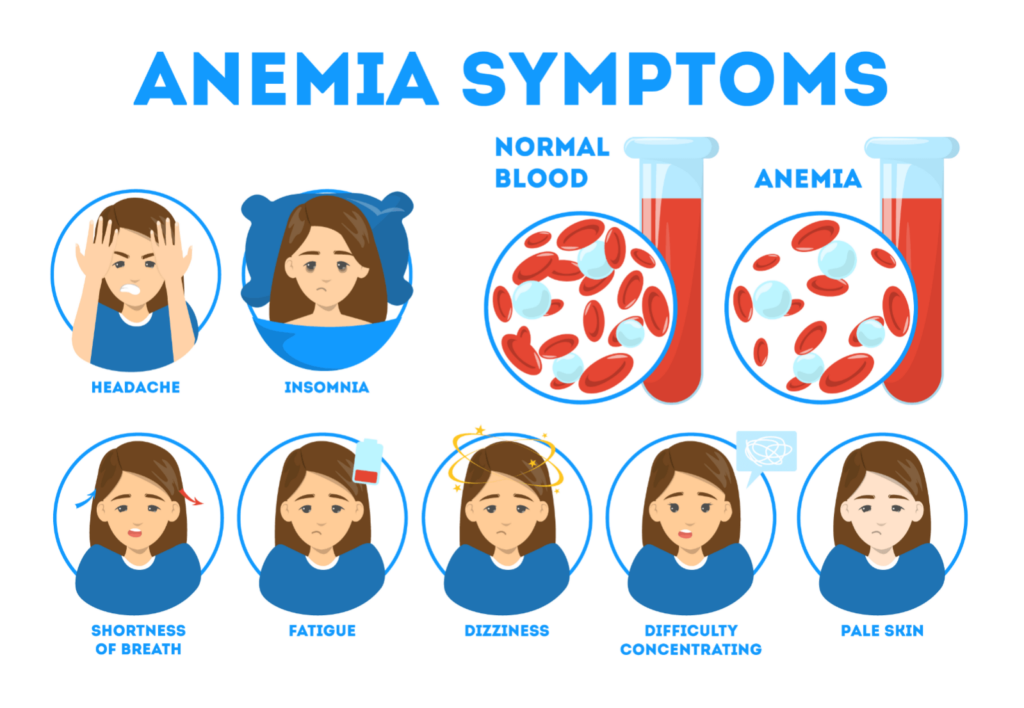
Fatigue and weakness are common symptoms of anemia. When the body lacks oxygen due to decreased red blood cell count or hemoglobin, it can result in feelings of exhaustion and a general lack of energy.
Pale Skin and Nail Beds
Anemia can cause a paleness or “pallor” of the skin, particularly in the face, gums, and nail beds. The reduced number of red blood cells affects the skin’s normal coloration, leading to a paler appearance.
Shortness of Breath
Inadequate oxygen supply to the body’s tissues can result in shortness of breath, especially during physical activity or exertion. The lungs may work harder to compensate for the decreased oxygen-carrying capacity of the blood.
Dizziness and Headaches
Anemia can cause dizziness and headaches, particularly when standing up quickly or exerting oneself. These symptoms may occur due to reduced blood flow to the brain, resulting in temporary oxygen deprivation.
Cold Hands and Feet
Poor circulation caused by anemia may lead to cold hands and feet. Without enough red blood cells and hemoglobin to deliver oxygen and regulate body temperature, these extremities may feel cooler than normal.
Irregular Heartbeat
Anemia can affect the heart’s ability to pump oxygen-rich blood efficiently, potentially resulting in an irregular heartbeat or heart palpitations. These symptoms may be more noticeable during physical activity or periods of stress.
Chest Pain
Severe anemia can cause chest pain or angina, typically due to the heart working harder to compensate for the decreased oxygen-carrying capacity of the blood. It is essential to seek immediate medical attention if experiencing chest pain.
Pica
In some cases, anemia can lead to unusual cravings for non-food items such as ice, clay, or dirt. This condition is known as pica and may be a result of the body’s attempt to obtain trace minerals or relieve certain symptoms related to anemia.
Restless Legs Syndrome
Restless legs syndrome (RLS) is a neurological condition characterized by an uncontrollable urge to move the legs, often accompanied by uncomfortable sensations. Anemia has been linked to an increased risk of developing RLS or exacerbating its symptoms.
Cognitive Issues
In severe cases of anemia, when the brain does not receive an adequate supply of oxygen, cognitive issues such as difficulties with concentration, memory, and overall mental sharpness can occur.
It is important to remember that symptoms may vary depending on the severity and underlying cause of anemia. If you experience any of these symptoms, it is crucial to consult a medical professional for proper evaluation and diagnosis.
Diagnosing Anemia
Medical History
When diagnosing anemia, your healthcare provider will begin by taking a thorough medical history. They will ask questions about your symptoms, family medical history, diet, medications, and any other relevant information that may assist in determining the potential cause of anemia.
Physical Examination
A physical examination may be conducted by your healthcare provider to assess your overall health and look for signs of anemia. This may include examining your skin color, checking your heart rate and blood pressure, and assessing for any other physical abnormalities.
Complete Blood Count (CBC)
A complete blood count (CBC) is one of the primary tests used to diagnose and monitor anemia. This test provides information on the number and types of blood cells, including red blood cells, white blood cells, and platelets. By analyzing the CBC results, medical professionals can determine if anemia is present and evaluate its severity.
Peripheral Blood Smear
A peripheral blood smear involves examining a sample of your blood under a microscope to assess the size, shape, and appearance of the red blood cells. This test can help identify any abnormalities or characteristics that may indicate a specific type of anemia.
Iron Studies
Iron studies, including serum iron, ferritin, and transferrin saturation tests, can provide valuable information about your body’s iron levels. These tests can help determine if anemia is due to iron deficiency or another underlying cause.
Vitamin and Mineral Tests
Blood tests may be conducted to assess vitamin and mineral levels, such as vitamin B12 and folate. These tests help identify deficiencies that may contribute to anemia and guide appropriate treatment options.
Bone Marrow Test
In some cases, a bone marrow test may be necessary to evaluate the production and maturity of blood cells. This procedure involves taking a small sample of bone marrow from the hipbone or sternum for further analysis.
Additional Diagnostic Tests
Depending on the suspected underlying cause of anemia, additional tests may be ordered. These tests may include genetic testing, autoimmune marker tests, gastrointestinal evaluations, or imaging studies to assess the presence of underlying chronic diseases.
Diagnosing anemia involves a comprehensive evaluation to determine the underlying cause, which is critical for developing an appropriate treatment plan.

Treating Anemia
Iron Supplements
When anemia is caused by iron deficiency, iron supplements are often prescribed. These supplements help replenish the body’s iron stores and promote the production of healthy red blood cells. It is important to follow your healthcare provider’s instructions and dosage recommendations when taking iron supplements.
Vitamin Supplements
If anemia is due to deficiencies in certain vitamins, such as vitamin B12 or folate, your healthcare provider may recommend vitamin supplements. These supplements help address the underlying deficiencies and support red blood cell production.
Dietary Changes
In cases where dietary deficiencies contribute to anemia, making dietary changes can be beneficial. Incorporating iron-rich foods like lean meats, beans, leafy greens, and fortified cereals can help improve iron levels. Including foods high in vitamin B12 and folate, such as eggs, dairy products, seafood, and whole grains, can also aid in alleviating deficiency-related anemia.
Intravenous Iron Therapy
In certain situations where oral iron supplementation is ineffective or cannot be tolerated, intravenous iron therapy may be recommended. This involves the administration of iron through an IV, allowing for quicker absorption and replenishment of iron stores.
Blood Transfusions
In severe cases of anemia, particularly those caused by significant blood loss or bone marrow disorders, blood transfusions may be necessary. This procedure involves receiving donated blood, which helps restore the red blood cell count and improves oxygen-carrying capacity.
Treating the Underlying Cause
Treating the underlying cause of anemia is essential for long-term management. Depending on the specific cause identified through diagnostic testing, treatments may include medications, lifestyle modifications, surgical interventions, or other appropriate interventions.
Lifestyle Changes
In addition to medical treatments, making certain lifestyle changes can help manage and prevent anemia. These changes may include adopting a balanced and nutritious diet, engaging in regular physical activity, managing stress levels, avoiding exposure to toxins, and maintaining good hygiene to prevent infections or other complications.
The treatment plan for anemia will be personalized based on the individual’s specific needs, underlying cause, and overall health. Regular follow-up with healthcare professionals is essential to monitor progress and adjust the treatment plan as necessary.
Iron Deficiency Anemia
Causes of Iron Deficiency
Iron deficiency anemia occurs when the body lacks sufficient iron to produce an adequate amount of hemoglobin. This can result from various factors, including:
- Inadequate intake of iron-rich foods in the diet
- Insufficient absorption of dietary iron
- Increased iron requirements (such as during pregnancy or adolescence)
- Chronic blood loss (such as heavy menstrual periods, gastrointestinal bleeding, or certain medical conditions)
Risk Factors for Iron Deficiency
Certain factors can increase the risk of developing iron deficiency anemia. These include:
- Poor dietary choices, especially a lack of iron-rich foods
- Pregnancy or breastfeeding
- Menstrual blood loss (especially heavy or prolonged periods)
- Gastrointestinal conditions that can lead to chronic blood loss, such as ulcers or inflammatory bowel disease
- Endurance athletes or individuals who regularly engage in intense physical activity
- Children and infants who consume inadequate amounts of iron-rich foods or have limited iron stores at birth
Symptoms of Iron Deficiency Anemia
The symptoms of iron deficiency anemia can vary in severity and may include:
- Fatigue and weakness
- Pale skin and nail beds
- Shortness of breath
- Dizziness and headaches
- Cold hands and feet
- Irregular heartbeat
- Chest pain (in severe cases)
- Pica (unusual cravings for non-food items)
- Restless legs syndrome
- Cognitive issues
Treatment of Iron Deficiency Anemia
Iron deficiency anemia is typically treated by addressing the underlying cause and replenishing the body’s iron stores. Treatment options may include:
- Iron supplementation: Taking iron supplements as prescribed by a healthcare professional can help restore iron levels. It is important to follow the recommended dosage and duration of iron supplementation.
- Dietary changes: Increasing the intake of iron-rich foods in the diet, such as lean meats, poultry, fish, legumes, nuts, seeds, and leafy greens, can aid in replenishing iron stores.
- Treating the underlying cause: If iron deficiency is due to a gastrointestinal condition or chronic blood loss, addressing these underlying factors is crucial for long-term management.
- Periodic blood tests: Regular monitoring of iron levels through periodic blood tests allows healthcare professionals to adjust treatment as necessary.
It is important to consult with a healthcare professional to determine the best course of treatment for iron deficiency anemia and to ensure it is tailored to your specific needs.

Vitamin Deficiency Anemia
Types of Vitamin Deficiency Anemia
Vitamin deficiency anemia can be categorized into two main types based on the specific vitamin involved:
Vitamin B12 Deficiency Anemia
Vitamin B12 deficiency anemia occurs when the body lacks sufficient vitamin B12 to produce healthy red blood cells. This deficiency can result from various factors, including:
- Lack of consumption of foods rich in vitamin B12, such as meat, fish, eggs, and dairy products
- Inability to absorb vitamin B12 due to certain gastrointestinal conditions or surgeries affecting the absorption process
- Use of medications that hinder vitamin B12 absorption
Folate Deficiency Anemia
Folate deficiency anemia occurs when the body does not have enough folate (also known as vitamin B9) to produce red blood cells adequately. Causes of folate deficiency anemia include:
- Inadequate consumption of foods high in folate, such as leafy greens, liver, legumes, and fortified cereals
- Poor absorption of folate due to certain medical conditions affecting the gastrointestinal tract
- Increased folate requirements during pregnancy or lactation
Cause and Symptoms of Vitamin B12 Deficiency Anemia
Vitamin B12 deficiency anemia can be caused by various factors, including:
- Inadequate dietary intake of foods rich in vitamin B12
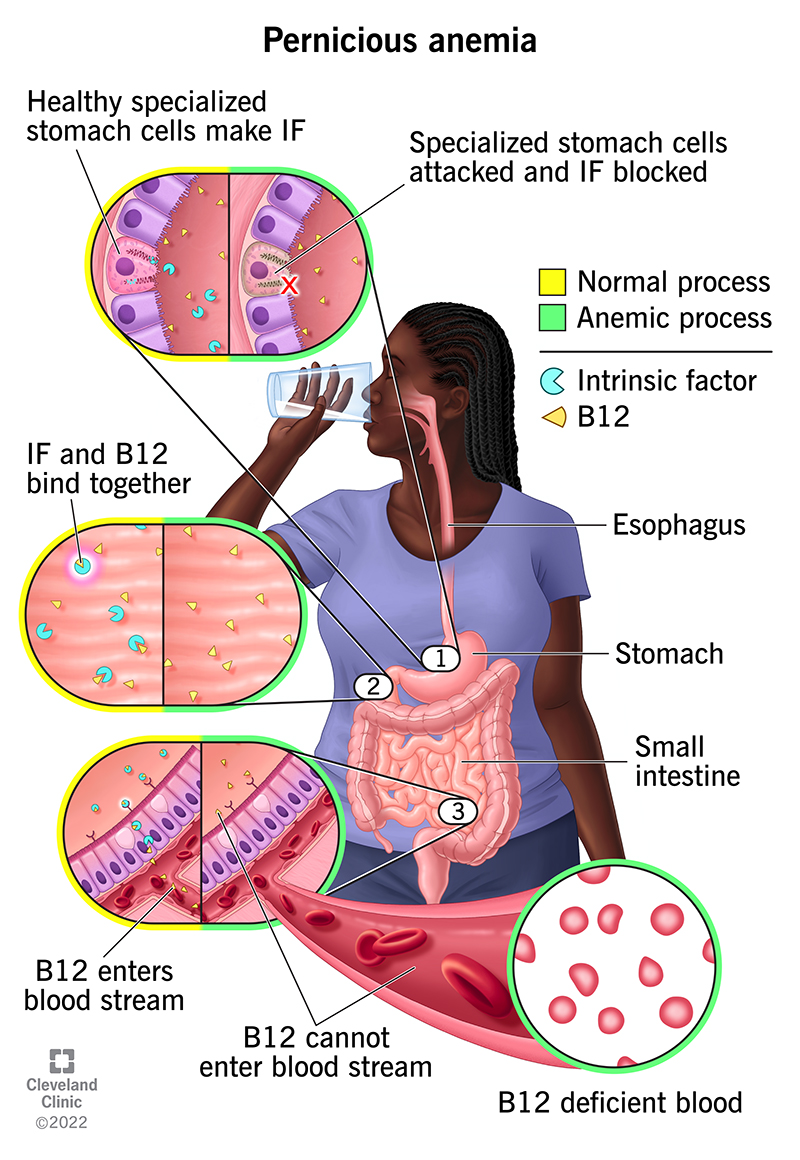
- Impaired absorption of vitamin B12 due to gastrointestinal conditions (e.g., pernicious anemia, Crohn’s disease) or surgeries affecting the absorptive capacity
Symptoms of vitamin B12 deficiency anemia can include:
- Fatigue and weakness
- Pale skin
- Shortness of breath
- Dizziness and headaches
- Irregular heartbeat
- Chest pain
- Pica
- Cognitive issues (such as memory problems or confusion)
Cause and Symptoms of Folate Deficiency Anemia
Folate deficiency anemia can result from:
- Inadequate consumption of foods high in folate
- Malabsorption of folate due to medical conditions affecting the gastrointestinal tract
- Increased folate requirements, such as during pregnancy or breastfeeding
The symptoms of folate deficiency anemia may include:
- Fatigue and weakness
- Pale skin
- Shortness of breath
- Dizziness and headaches
- Irregular heartbeat
- Pica
- Cognitive issues
Treatment of Vitamin Deficiency Anemia
The treatment of vitamin deficiency anemia primarily involves addressing the underlying deficiency and replenishing the body’s vitamin stores. Treatment options may include:
- Vitamin supplementation: Taking vitamin supplements, such as vitamin B12 injections or oral folic acid supplements, can help correct the vitamin deficiency and support red blood cell production.
- Dietary changes: Increasing the consumption of foods high in the deficient vitamin can aid in replenishing vitamin stores. For vitamin B12 deficiency, foods such as meat, fish, eggs, and dairy products are recommended. In the case of folate deficiency, consuming leafy greens, liver, legumes, and fortified cereals is beneficial.
- Treating the underlying cause: Addressing gastrointestinal conditions or other factors that hinder vitamin absorption is crucial for long-term management.
It is important to consult with a healthcare professional to determine the underlying cause of vitamin deficiency anemia and develop an appropriate treatment plan tailored to your specific needs. Regular monitoring of vitamin levels through blood tests can help ensure treatment effectiveness.
Sickle Cell Anemia
Causes of Sickle Cell Anemia
Sickle cell anemia is an inherited blood disorder caused by a mutation in the gene responsible for producing hemoglobin. This mutation results in the production of abnormal hemoglobin known as hemoglobin S. When the red blood cells containing hemoglobin S release oxygen, they assume a sickle or crescent shape, becoming rigid and prone to getting stuck in blood vessels. This can lead to reduced oxygen supply to tissues and organs, causing a range of symptoms.
Genetic Factors
Sickle cell anemia is inherited in an autosomal recessive pattern, meaning both parents must carry the gene for the child to develop the condition. If only one parent carries the sickle cell gene, the child will inherit the trait but not necessarily develop the disease. Individuals with the sickle cell trait have a lower risk of complications but can still transmit the gene to their children.
Symptoms of Sickle Cell Anemia
The symptoms of sickle cell anemia can vary in severity from person to person. Some common symptoms include:
- Fatigue and weakness
- Shortness of breath
- Painful episodes or “crises,” often involving the joints, chest, or abdomen
- Jaundice (yellowing of the skin and eyes)
- Frequent infections
- Delayed growth and development (in children)
- Vision problems
- Hand-foot syndrome (swelling and pain in the hands and feet)
Treatment of Sickle Cell Anemia
The treatment of sickle cell anemia focuses on managing symptoms, preventing complications, and improving quality of life. Treatment options may include:
- Pain management: Providing pain relief during sickle cell crises is crucial. This can involve medication, rest, heat application, or other strategies recommended by healthcare professionals.
- Hydroxyurea: This medication helps increase the production of fetal hemoglobin, which can reduce the frequency and severity of sickle cell crises.
- Blood transfusions: In severe cases or when complications arise, blood transfusions may be necessary to replace diseased red blood cells with healthy ones.
- Bone marrow transplant: In certain cases, a bone marrow transplant may be recommended to replace the defective cells with healthy ones. This procedure is typically reserved for individuals with severe symptoms or complications.
Additional medications and treatments may be prescribed based on individual needs and specific complications associated with sickle cell anemia.
By understanding the causes and symptoms of anemia, individuals can be proactive in seeking appropriate medical care and treatment. It is important to consult a healthcare professional for a proper diagnosis and tailored treatment plan based on the individual’s unique circumstances. Managing anemia effectively can lead to improved overall health and quality of life.