
So you’ve heard of the Zoster-Herpes virus, but do you really understand what it is, how it affects you, and what you can do about it? In this article, we will explore the symptoms, treatment, and prevention methods of the Zoster-Herpes virus, shedding light on this common yet often misunderstood infection. Whether you’ve personally experienced it or are simply curious to know more, you’ll find all the essential information right here. Grab a cup of tea, sit back, and let’s unravel the mysteries of the Zoster-Herpes virus together.
Symptoms of Zoster-Herpes Virus
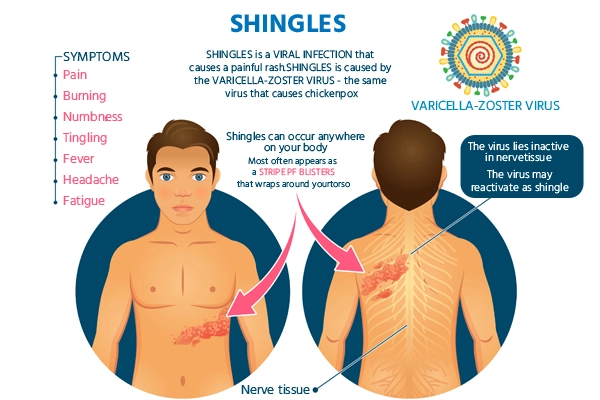
If you have been infected with the Zoster-Herpes Virus, there are several symptoms that you may experience. One of the most common symptoms is a painful skin rash, which typically appears in a specific area of your body. This rash is often accompanied by blisters filled with fluid. Itching and tingling sensations are also common, and you may sometimes feel a headache and fever. Additionally, fatigue and muscle weakness can occur, making you feel tired and lethargic. Sensitivity to light and a numbness or tingling sensation may also be experienced.
Complications of Zoster-Herpes Virus
While most cases of the Zoster-Herpes Virus resolve on their own, there are some complications that can arise. One such complication is postherpetic neuralgia, which is characterized by lingering pain in the area where the rash was present. Vision loss can occur if the virus affects the eye, leading to potential long-term damage. Bacterial skin infections can also develop if the blisters become infected. In rare cases, the virus can cause neurological problems, such as inflammation of the brain or spinal cord.

Diagnosing the Zoster-Herpes Virus
Diagnosing the Zoster-Herpes Virus usually involves a combination of physical examination and laboratory tests. During a physical examination, your healthcare provider will look for the characteristic rash and blisters. They may also ask about your symptoms and medical history. In some cases, a Tzanck smear test may be performed. This involves scraping cells from the base of a blister to test for the presence of the virus. Additionally, a viral culture or polymerase chain reaction (PCR) test may be conducted to confirm the diagnosis.
Treatment Options for Zoster-Herpes Virus
There are several treatment options available for managing the Zoster-Herpes Virus and its symptoms. Antiviral medications, such as acyclovir or valacyclovir, can help to reduce the duration and severity of the outbreak. Pain relievers, such as over-the-counter acetaminophen or ibuprofen, can be taken to alleviate discomfort. Topical creams and ointments, like calamine lotion or lidocaine, can provide relief from itching and irritation. In some cases, antidepressant medications may be prescribed to help manage the pain. For severe cases, steroids may be recommended to reduce inflammation and promote healing.

Prevention and Vaccination
Preventing the Zoster-Herpes Virus is possible through vaccination. There are two vaccines available that can help to prevent the virus: the chickenpox vaccine and the herpes zoster vaccine. The chickenpox vaccine is typically given in childhood and provides protection against the varicella-zoster virus, which causes both chickenpox and zoster. The herpes zoster vaccine, on the other hand, is given to adults aged 50 and older and specifically targets the reactivation of the virus that causes zoster. It is important for individuals who are eligible to get vaccinated to protect themselves and reduce the risk of complications. Vaccination not only benefits the individual but also helps to prevent transmission to others, especially those who are more vulnerable to severe complications.
Risk Factors for Zoster-Herpes Virus
Certain factors can increase the risk of contracting the Zoster-Herpes Virus. Age is a significant factor, as the likelihood of developing zoster increases with age. Individuals with a weakened immune system, such as those undergoing chemotherapy or with HIV/AIDS, are also more susceptible to the virus. Having had a previous episode of chickenpox increases the risk as well since the virus remains dormant in the body and can reactivate later in life. Stress and anxiety can weaken the immune system, making individuals more prone to infections and reactivations. Certain medical conditions, such as diabetes or cancer, can also increase the risk of developing the virus.

Natural Remedies and Self-care
In addition to medical treatments, there are several natural remedies and self-care strategies that can help manage the symptoms of the Zoster-Herpes Virus. Keeping the rash clean and dry is essential to prevent infection and promote healing. Applying cool compresses to the affected area can help to soothe the skin and alleviate itching. It is important to avoid tight or irritative clothing that can further irritate the rash. Over-the-counter pain relievers, like acetaminophen or ibuprofen, can provide temporary relief from pain and discomfort. Taking baking soda or oatmeal baths can also help to reduce itching and inflammation. Finally, reducing stress levels and getting enough rest are important for supporting the immune system and promoting overall recovery.
Difference Between Chickenpox and Zoster
Understanding the difference between chickenpox and zoster is important in recognizing the symptoms and seeking appropriate care. Chickenpox is caused by the varicella-zoster virus and typically affects children. The virus is highly contagious and spreads through direct contact or respiratory droplets. Zoster, on the other hand, is the reactivation of the dormant varicella-zoster virus that remains in the body after a chickenpox infection. Zoster typically affects adults and older individuals, who may experience a painful rash in a specific area of the body. The incubation period for chickenpox is usually 10-21 days, while the incubation period for zoster can range from several days to weeks.

Living with Zoster-Herpes Virus
Living with the Zoster-Herpes Virus can be challenging, but there are ways to manage symptoms and improve your quality of life. It is important to seek medical attention and follow the recommended treatment options to alleviate pain and prevent complications. Supportive care, such as keeping the affected area clean and applying topical treatments, can aid in the healing process. Education and awareness about the virus can help dispel myths and reduce stigma. Encouraging vaccination among those who are eligible is crucial in preventing the virus and its associated complications. Finally, maintaining a healthy lifestyle that includes regular exercise, balanced nutrition, and stress management can support the immune system and overall well-being.
Research and Future Directions
There is ongoing research and several clinical trials aimed at advancing our understanding and treatment of the Zoster-Herpes Virus. Current studies are exploring new antiviral medications that can better target the virus and reduce the duration and severity of outbreaks. Furthermore, there are new vaccines in development that show promise in providing long-lasting immunity and preventing reactivation of the virus. Improved diagnostic techniques are also being investigated to aid in early detection and prompt treatment. The future of managing the Zoster-Herpes Virus looks promising, with advancements aimed at enhancing prevention, treatment, and overall outcomes for those affected by the virus.