
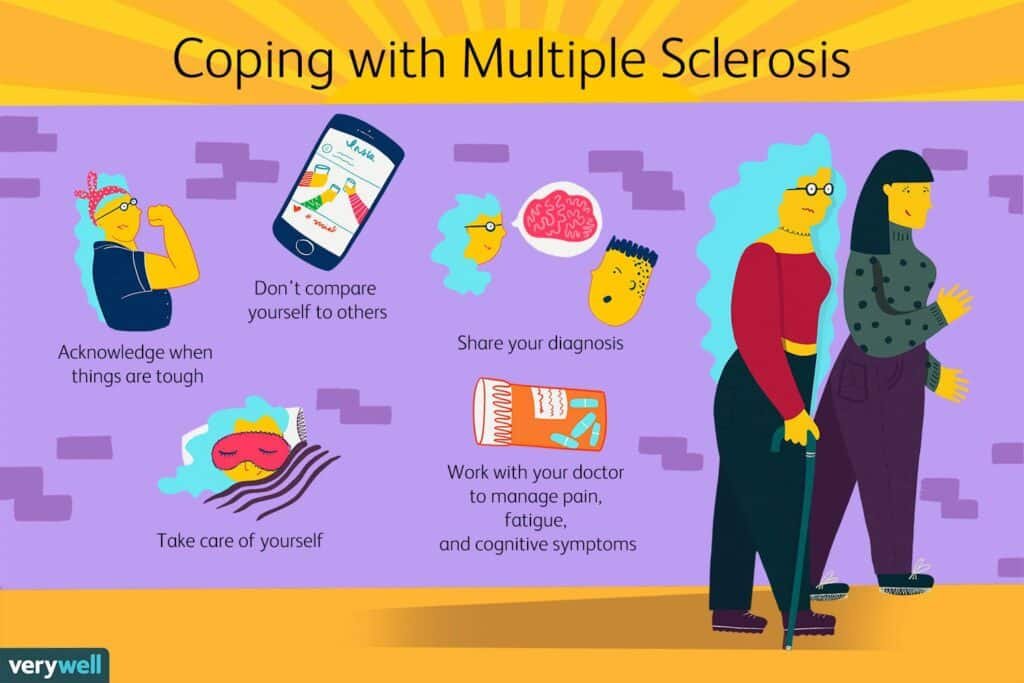
Living with Multiple Sclerosis (MS) can present unique challenges, both mentally and physically. It is no secret that this chronic disease affects not only the body but also one’s emotional well-being. The rollercoaster of emotions, uncertainty, and the constant adjustments required can take a toll on you. However, with the right strategies and support, it is possible to maintain a positive outlook and emotional well-being while navigating life with MS. In this article, we will explore some practical tips to help you prioritize self-care, manage stress, and cultivate resilience, all while living with MS. So, let’s dive in and discover how you can nurture your emotional well-being on this journey.
Understanding Multiple Sclerosis
Definition and causes of Multiple Sclerosis
Multiple Sclerosis, commonly known as MS, is a chronic autoimmune disease that affects the central nervous system. It occurs when the immune system mistakenly attacks the protective covering of nerve fibers, known as myelin, causing communication issues between the brain and the body. The exact cause of MS is still unknown, but it is believed to be a combination of genetic and environmental factors. While anyone can develop MS, it is more commonly diagnosed in individuals between the ages of 20 and 50.
Different types of Multiple Sclerosis
There are several different types of MS, each with its own characteristics and progression. The most common form of MS is relapsing-remitting MS (RRMS), where individuals experience periods of relapse or flare-ups followed by periods of remission. Other types include secondary progressive MS (SPMS), primary progressive MS (PPMS), and progressive-relapsing MS (PRMS). It is important to note that the course of MS varies from person to person, and the symptoms experienced can differ widely.
Symptoms and complications of Multiple Sclerosis
The symptoms of MS can vary depending on the areas of the central nervous system affected. Some common symptoms include fatigue, difficulty walking, numbness or tingling in the limbs, muscle weakness, problems with coordination and balance, cognitive impairment, and emotional changes. Additionally, individuals with MS may experience bladder and bowel problems, sexual dysfunction, and changes in mood and emotional well-being. It is crucial to understand these symptoms and their potential impact on daily life in order to effectively manage the condition.
Effects of Multiple Sclerosis on Emotional Well-Being
Psychological impact of living with Multiple Sclerosis
Living with MS can have a significant psychological impact on individuals. The uncertain nature of the condition, along with its associated symptoms and potential disability, can lead to feelings of fear, anxiety, and depression. These psychological challenges can arise from the stress of managing the physical symptoms, the impact on daily activities and relationships, and the fear of the disease progressing. It is important to acknowledge and address the emotional impact of MS to maintain overall well-being.
Factors contributing to emotional well-being in Multiple Sclerosis patients
While MS can present various challenges to emotional well-being, there are factors that can contribute to maintaining a positive mindset. Social support, including understanding family members, friends, and healthcare professionals, can be a crucial source of emotional well-being. Staying engaged in activities that bring joy and fulfillment, maintaining a healthy lifestyle, and developing effective coping mechanisms are also important factors in promoting emotional well-being for individuals living with MS.

Building a Support Network
The importance of support for emotional well-being
Building a strong support network is essential for individuals with MS to effectively manage their emotional well-being. It provides a space to share concerns, experiences, and emotions with people who understand the challenges of living with MS. Support from others can provide validation, comfort, and a sense of belonging. Having a support system also helps individuals feel less alone and may enhance their ability to cope with the day-to-day struggles associated with the condition.
Identifying and accessing support systems
When it comes to building a support network, it is important to identify the available options and access the resources that can best meet your needs. This can include joining support groups, either in-person or online, where you can connect with others who share similar experiences. Additionally, reaching out to healthcare professionals, such as therapists and counselors specializing in MS, can provide valuable guidance and support. It is crucial to be proactive in seeking out these resources to ensure emotional well-being.
Coping Strategies
Developing effective coping mechanisms
Coping strategies play a vital role in managing the emotional challenges of living with MS. By developing effective coping mechanisms, individuals can better navigate the uncertainties and stressors associated with the condition. Coping strategies can include engaging in relaxation techniques such as deep breathing exercises or meditation, practicing mindfulness, and using distraction techniques to redirect focus from negative thoughts to positive ones. Additionally, maintaining a journal or participating in creative activities can provide a healthy outlet for emotions.
Managing stress and anxiety
Stress and anxiety are common experiences for people living with MS. It is important to identify stress triggers and develop strategies to manage them effectively. This may involve practicing stress-reduction techniques, such as regular exercise, engaging in hobbies or activities that bring joy, and setting realistic goals. Managing anxiety can also involve cognitive-behavioral techniques, such as challenging negative thoughts and focusing on positive affirmations.
Adopting a positive mindset
Maintaining a positive mindset is essential when living with MS. It involves focusing on the present moment, practicing gratitude, and reframing negative thoughts into positive ones. Adopting a positive mindset can help individuals better cope with the challenges of MS and maintain emotional well-being. This can be achieved through daily affirmations, visualization exercises, and seeking out positive social connections.

Maintaining Physical Health
The link between physical and emotional well-being
Physical and emotional well-being are interconnected, and taking care of your physical health can have a positive impact on your emotional well-being. Engaging in regular physical activity, following a healthy diet, and getting sufficient rest are all important elements in maintaining physical health. By prioritizing physical health, individuals can alleviate some of the physical symptoms of MS and improve their overall emotional well-being.
Importance of regular exercise and mobility
Regular exercise is beneficial for individuals with MS as it can help improve mobility, strengthen muscles, and reduce fatigue. Engaging in exercises that accommodate individual abilities and limitations, such as yoga, swimming, or low-impact aerobic activities, can provide physical and emotional benefits. It is important to consult with healthcare professionals and develop an exercise routine that suits your specific needs and abilities.
Healthy eating and its impact on mood
Proper nutrition plays a vital role in managing MS and supporting emotional well-being. A well-balanced diet rich in fruits, vegetables, whole grains, and lean proteins can help reduce inflammation, boost energy levels, and support overall mood. Avoiding processed foods, excessive sugar, and alcohol can also contribute to better emotional well-being. It is essential to work with healthcare professionals or registered dieticians to develop a personalized meal plan that meets your specific dietary needs.
Seeking Professional Help
The role of healthcare professionals in managing emotional well-being
Healthcare professionals, including neurologists, therapists, and counselors, play a crucial role in managing the emotional well-being of individuals with MS. Neurologists provide medical guidance, monitor disease progression, and offer treatment options. Therapists and counselors specializing in MS can provide emotional support, therapy, and coping strategies tailored to the challenges associated with the condition. Seeking professional help can provide valuable guidance and resources in managing MS and maintaining emotional well-being.
Therapy options for Multiple Sclerosis patients
Therapy options for individuals with MS can include individual therapy, group therapy, and cognitive-behavioral therapy (CBT). Individual therapy offers a safe space to explore emotions, develop coping strategies, and process the challenges of living with MS. Group therapy can provide a supportive environment to connect with others who share similar experiences, while CBT focuses on changing negative thought patterns and developing healthier coping mechanisms. It is essential to work with healthcare professionals to determine the most effective therapy approach for each individual’s specific needs.

Finding Empowerment in Self-Care
Prioritizing self-care practices
Self-care practices are crucial for individuals living with MS to maintain emotional well-being and overall quality of life. Prioritizing self-care involves recognizing personal needs and taking proactive steps to meet them. This can include engaging in activities that bring joy, setting boundaries, and practicing self-compassion. By prioritizing self-care, individuals can enhance their resilience and ability to cope with the challenges of living with MS.
Adapting daily routine and lifestyle
Living with MS may require individuals to adapt their daily routine and lifestyle to accommodate their symptoms. This can involve making modifications to work schedules, incorporating rest breaks, and utilizing assistive devices for mobility. Adapting daily routines and lifestyle to suit individual needs can reduce stress, increase comfort, and support emotional well-being.
Engaging in activities that bring joy and fulfillment
Engaging in activities that bring joy and fulfillment can have a profound impact on emotional well-being. It is important to identify hobbies, interests, or creative pursuits that bring a sense of joy and purpose. This can include activities such as painting, gardening, participating in community events, or spending time with loved ones. By incorporating these activities into daily life, individuals can find empowerment and maintain emotional well-being.
Support for Caregivers
Challenges faced by caregivers
Caregivers play an essential role in supporting individuals with MS, but they also face unique challenges. They may experience emotional stress, physical exhaustion, and a sense of helplessness as they witness the impact of MS on their loved ones. Balancing caregiving responsibilities with their own needs and obligations can be a significant challenge.
Providing emotional support for caregivers
Providing emotional support for caregivers is crucial in ensuring their well-being. Caregivers should prioritize self-care and seek support from others in similar roles. Joining support groups specifically for caregivers can provide a safe space to share experiences, gain insights, and receive emotional support. Seeking professional guidance and counseling can also be beneficial in managing the emotional challenges associated with caregiving.
Resources for caregiver well-being
Various resources are available to support caregiver well-being. Caregiver support groups, both in-person and online, provide a platform for caregivers to connect and support one another. Organizations like the National Multiple Sclerosis Society offer educational materials, workshops, and online resources specifically tailored for caregivers. It is important for caregivers to take advantage of these resources to enhance their emotional well-being and effectiveness in their role.

Joining Support Groups and Advocacy Organizations
Benefits of joining support groups and advocacy organizations
Joining support groups and advocacy organizations can provide numerous benefits for individuals living with MS. Support groups offer a sense of community, a safe space to share experiences, and an opportunity to learn from others who understand the challenges of MS. Advocacy organizations provide valuable resources, educational materials, and opportunities to get involved in raising awareness and influencing policies related to MS.
Finding local or online communities for social connection
Finding local or online communities is vital for social connection and support. Local MS societies often organize support groups, educational sessions, and social events. Online communities, such as forums or social media groups, can also provide a platform for individuals to connect, share experiences, and ask questions. It is crucial to find a social support network that suits personal preferences and needs.
Sharing experiences and knowledge
Sharing experiences and knowledge within support groups and advocacy organizations can be empowering. It allows individuals to gain insights, find validation, and contribute to the broader MS community. By sharing experiences, individuals can not only receive support but also offer support to others facing similar challenges.
Maintaining a Positive Mindset
Fostering resilience and positivity
Fostering resilience and a positive mindset is essential in navigating the challenges of living with MS. This involves accepting the condition and adapting to the changes it brings. By embracing resilience and maintaining a positive outlook, individuals can enhance their ability to cope and maintain emotional well-being.
Embracing acceptance and adapting to change
Accepting the reality of living with MS and embracing change is an important part of maintaining a positive mindset. This involves acknowledging the limitations imposed by the condition and finding ways to adapt and thrive despite them. Embracing acceptance allows individuals to focus their energy on what they can control and find joy and fulfillment in life.
In conclusion, understanding and managing the emotional well-being of individuals living with Multiple Sclerosis is crucial for an overall quality of life. By building a support network, developing effective coping strategies, maintaining physical health, seeking professional help when needed, practicing self-care, supporting caregivers, joining support groups and advocacy organizations, and fostering a positive mindset, individuals with MS can navigate the challenges of the condition and maintain emotional well-being. It is important to remember that each person’s journey with MS is unique, and tailoring strategies to individual needs and preferences is essential in promoting emotional well-being.