You’ve probably heard of asbestos, but do you know about the link between asbestos and cancer? Asbestos-related cancer is a topic that should not be taken lightly. This article will provide you with an insight into the dangers of asbestos exposure and how it can lead to various types of cancer. Whether you’re curious about the health risks or looking for ways to protect yourself and your loved ones, this article will give you a clear understanding of asbestos-related cancer and its implications.
What is Asbestos?
Definition
Asbestos is a naturally occurring mineral that has been used for centuries due to its excellent heat resistance, strength, and insulating properties. It consists of tiny fibers that can easily become airborne when disturbed. Unfortunately, prolonged exposure to these fibers has been linked to serious health risks, including various types of cancer.
Types of Asbestos
There are six different types of asbestos minerals that have been identified: chrysotile, amosite, crocidolite, tremolite, actinolite, and anthophyllite. However, the three most commonly used and encountered types are chrysotile, amosite, and crocidolite. Each type differs in its fiber structure and properties, but all have been classified as human carcinogens by leading health organizations.
Common Uses of Asbestos
Due to its numerous beneficial properties, asbestos has been widely used in various industries and applications. It was commonly used in construction materials such as insulation, roofing shingles, flooring, and cement. Additionally, asbestos was utilized in automotive parts, textiles, and even household products like hair dryers and ironing boards. It was only in recent decades that the harmful effects of asbestos became widely recognized, leading to stricter regulations and restrictions on its use.
Health Risks Associated with Asbestos
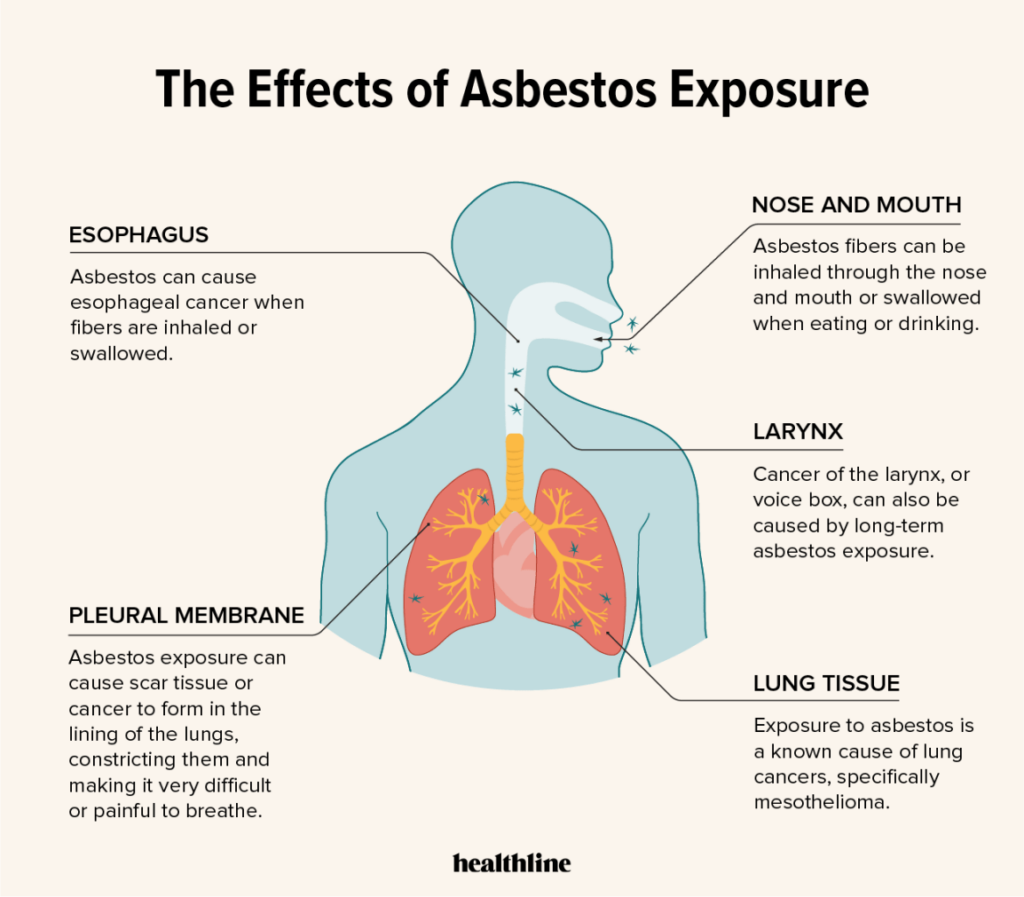
Exposure to asbestos fibers can have detrimental effects on human health, particularly when they are inhaled or ingested. The primary health risk associated with asbestos exposure is the development of cancer. Asbestos-related cancer, also known as asbestos cancer or mesothelioma, can affect different parts of the body, including the lungs, abdomen, heart, and other organs.
Understanding Asbestos-Related Cancer
Introduction to Asbestos-Related Cancer
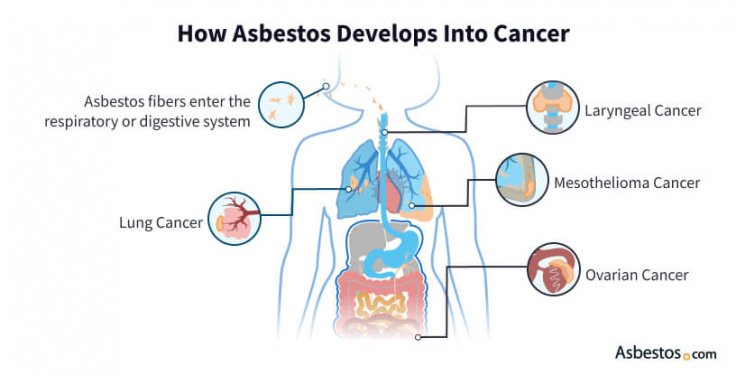
Asbestos-related cancer refers to a group of cancers that are caused by exposure to asbestos fibers. The most well-known type of asbestos-related cancer is mesothelioma, a rare and aggressive cancer that affects the lining of the lungs, abdomen, or heart. However, asbestos exposure has also been linked to other types of cancer, such as lung cancer, ovarian cancer, and laryngeal cancer.
Causes of Asbestos-Related Cancer
The primary cause of asbestos-related cancer is the inhalation or ingestion of asbestos fibers. When these fibers are inhaled, they can become lodged in the lungs or other organs, leading to inflammation and the development of cancerous cells over time. The risk of developing asbestos-related cancer is directly related to the duration and intensity of asbestos exposure, with long-term exposure carrying a higher risk.
Types of Asbestos-Related Cancer
There are several types of cancer that have been linked to asbestos exposure, with mesothelioma and lung cancer being the most common. Mesothelioma specifically affects the lining of the lungs, abdomen, or heart, while lung cancer originates in the lung tissue. Other less common types of asbestos-related cancer include ovarian cancer, which affects the ovaries, and laryngeal cancer, which affects the voice box.
Signs and Symptoms of Asbestos-Related Cancer
The signs and symptoms of asbestos-related cancer can vary depending on the specific type and stage of the disease. Common symptoms to look out for include persistent coughing, shortness of breath, chest pain, fatigue, unexplained weight loss, and abdominal swelling. It is important to note that these symptoms are not exclusive to asbestos-related cancer and can also be associated with other conditions, so medical assessment is crucial for an accurate diagnosis.
Diagnosis of Asbestos-Related Cancer
Diagnosing asbestos-related cancer typically involves a combination of medical history evaluation, physical examination, imaging tests, and biopsy. A detailed medical history and physical examination can help identify potential risk factors and assess the presence of any abnormal physical findings. Imaging tests such as X-rays, CT scans, and MRIs can provide detailed images of the affected areas, while a biopsy involves taking a tissue sample for analysis by a pathologist to confirm the presence of cancerous cells.
Treatment Options for Asbestos-Related Cancer
The treatment options for asbestos-related cancer depend on several factors, including the type and stage of the cancer, as well as the overall health of the individual. Treatment may involve a combination of surgery, radiation therapy, chemotherapy, immunotherapy, and participation in clinical trials. Surgery aims to remove cancerous tissue, while radiation therapy uses high-energy radiation to kill cancer cells. Chemotherapy and immunotherapy utilize medications to target and destroy cancer cells, and clinical trials offer access to novel treatments still under investigation.
Prognosis and Survival Rates for Asbestos-Related Cancer
The prognosis and survival rates for asbestos-related cancer vary depending on multiple factors. These include the type and stage of the cancer, the age and overall health of the individual, and the effectiveness of the chosen treatment. While asbestos-related cancer is generally associated with poor prognosis due to its aggressive nature, advancements in treatment options and early detection methods have shown promising results in improving survival rates and quality of life for some patients.
Preventing Asbestos-Related Cancer
Preventing asbestos-related cancer begins with avoiding exposure to asbestos fibers. If you live or work in an older building, it is important to identify potential sources of asbestos and take appropriate measures to minimize exposure. Hiring a licensed asbestos abatement professional for inspections and removal of asbestos-containing materials is essential. Additionally, following safety guidelines and regulations set by government agencies can significantly reduce the risk of asbestos-related cancer.
Legal Implications of Asbestos-Related Cancer
Due to the known health risks associated with asbestos exposure, legal implications have emerged regarding compensation for individuals affected by asbestos-related cancer. Lawsuits and compensation claims are being filed against companies responsible for asbestos exposure, particularly in cases where negligence or failure to provide a safe working environment is evident. These legal processes aim to provide financial assistance and justice to those impacted by asbestos-related cancer.
Support and Resources for Asbestos-Related Cancer Patients
Living with asbestos-related cancer can be physically and emotionally challenging. Fortunately, there are support networks and resources available to help patients and their loved ones navigate through the journey. Medical and emotional support can be sought from healthcare professionals specializing in cancer care, in addition to joining support groups or online communities tailored to asbestos-related cancer. Patient advocacy groups and organizations provide valuable information, resources, and opportunities to connect with others facing similar challenges. Financial assistance programs and access to clinical trials are also available options worth exploring.