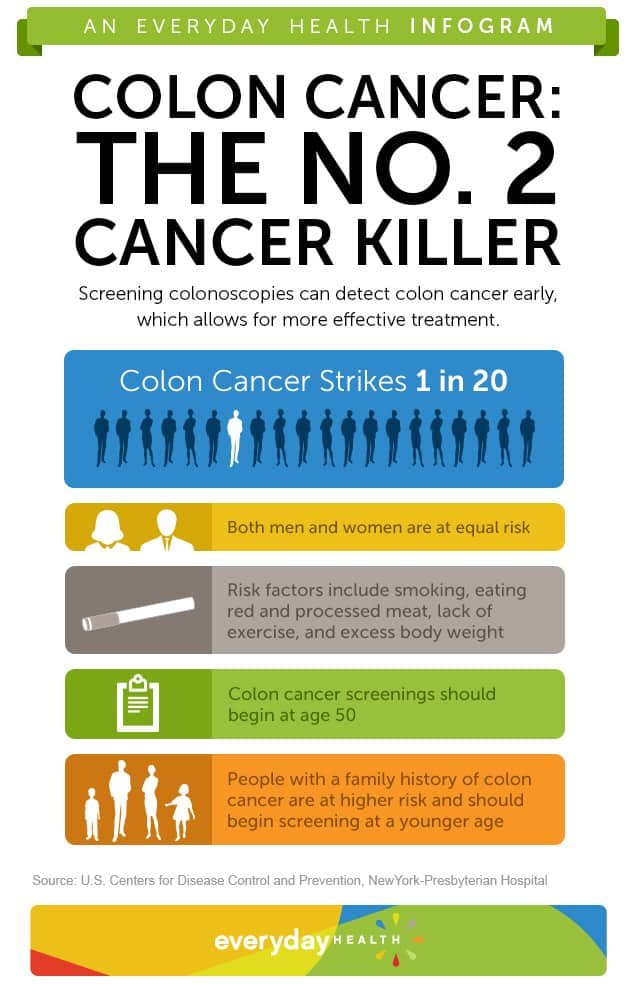
Bowel cancer, also known as colorectal cancer, is a serious illness that affects the large intestine (colon) or rectum. It is one of the most common types of cancer worldwide, and its occurrence is increasing rapidly. Early detection plays a vital role in the successful treatment of bowel cancer, as it allows for prompt medical intervention and a higher chance of survival. Understanding the significance of recognizing the warning signs, undergoing regular screenings, and being aware of the risk factors associated with bowel cancer can potentially save lives and promote better health outcomes.
The Importance of Early Detection for Bowel Cancer
Welcome to this comprehensive article on the importance of early detection for bowel cancer. In this article, we will explore statistics on bowel cancer, understand the disease itself, discuss the risk factors and signs to look out for, delve into diagnostic tests and screening methods, highlight the benefits of early detection, and explore treatment options. We will also examine ways to improve early detection for bowel cancer.
Statistics on Bowel Cancer
Bowel cancer, also known as colorectal cancer, is a significant global health concern. According to statistics, it is the third most commonly diagnosed cancer worldwide. It affects both men and women, with men being slightly more prone to develop the disease.
Mortality rates for bowel cancer vary across different countries, but early detection has shown to have a positive impact on survival rates. In fact, in countries where screening programs are in place and early detection is prioritized, survival rates have significantly improved.
Understanding Bowel Cancer
To better understand the importance of early detection, let’s first take a closer look at what bowel cancer is. Bowel cancer refers to the development of malignant tumors in the colon, rectum, or appendix. There are different types of bowel cancer, including adenocarcinoma (the most common type) and rare types like lymphomas and carcinoids.
The causes of bowel cancer are multifactorial, and while exact causes are not always known, certain risk factors can increase the likelihood of developing the disease. The development of bowel cancer occurs over several stages, starting with the formation of benign polyps that can eventually turn cancerous if left undetected or untreated.
The Importance of Early Detection
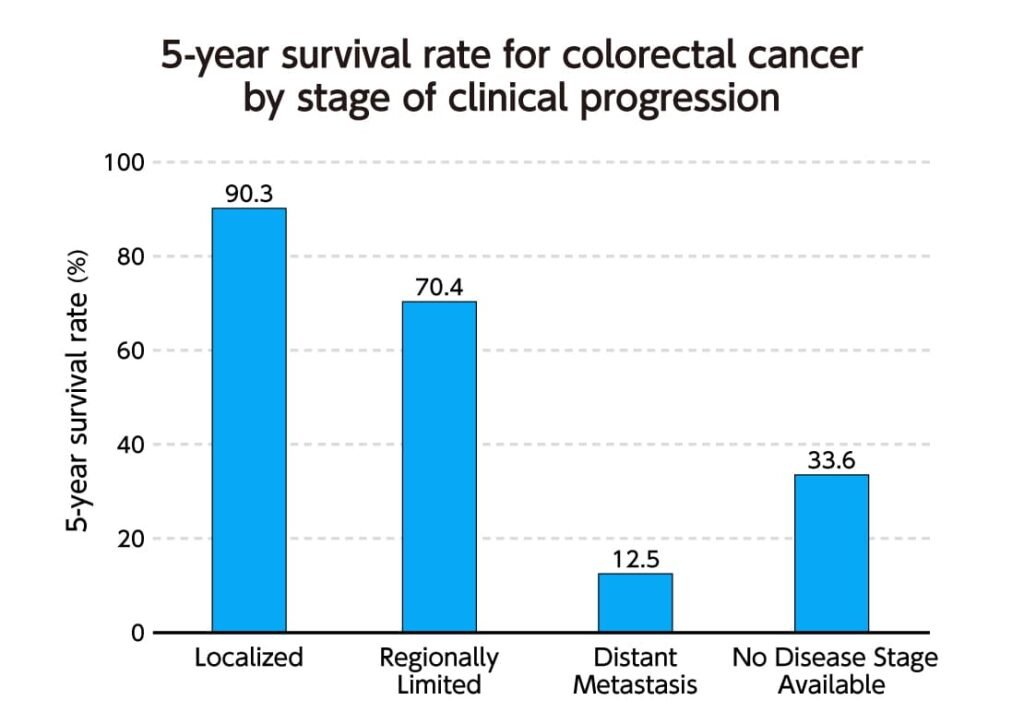
Early detection of bowel cancer is crucial for several reasons. Firstly, it saves lives. When bowel cancer is detected at an early stage, before it has spread to other parts of the body, the chances of successful treatment and long-term survival significantly increase. Regular screening can help identify cancerous or precancerous growths early on, allowing for prompt intervention.
Additionally, early detection can lead to reduced treatment costs. Detecting bowel cancer at later stages often requires more extensive treatment, including surgeries, chemotherapy, and radiation, which can entail significant financial burdens. By catching the disease in its early stages, the need for invasive and costly treatments may be reduced.
Moreover, early detection improves the overall quality of life for individuals diagnosed with bowel cancer. Timely identification and treatment can help minimize the physical and emotional toll that advanced stages of the disease often bring. It provides patients with more treatment options and a better chance at a positive prognosis.
Risk Factors for Bowel Cancer
In order to better understand who may be at a higher risk of developing bowel cancer, it is important to consider various factors. Age and gender play a role, with the disease being more common in individuals aged 50 and older. Men are slightly more likely to develop bowel cancer than women.
A family history of bowel cancer can also increase the risk. If a first-degree relative, such as a parent or sibling, has had the disease, the chances of developing it are higher. Moreover, individuals with a history of inflammatory bowel disease, such as ulcerative colitis or Crohn’s disease, are at an increased risk.
Certain lifestyle factors can also influence the likelihood of developing bowel cancer. A diet high in processed meats and low in fiber, as well as a sedentary lifestyle, obesity, and smoking, can contribute to the development of the disease.
Signs and Symptoms of Bowel Cancer
Recognizing the signs and symptoms of bowel cancer is essential for early detection. While these symptoms are not exclusive to bowel cancer and can be caused by other conditions, they should not be ignored. Persistent changes in bowel habits, such as increased frequency or a change in consistency, can be indicative of the disease.
The presence of blood in stool, either bright red or dark and tarry, is another warning sign. Abdominal pain and cramping, unexplained weight loss, fatigue, and anemia are additional symptoms that may appear in individuals with bowel cancer.
Diagnostic Tests for Bowel Cancer
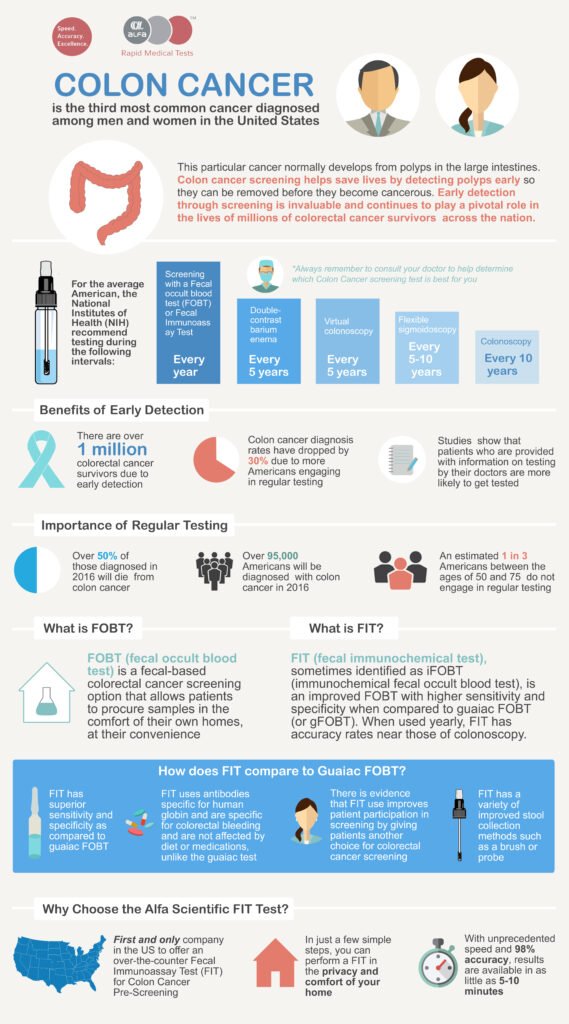
Several diagnostic tests can aid in the detection and diagnosis of bowel cancer. Colonoscopy is considered the gold standard as it allows for direct visualization and biopsy of the colon and rectum. It is recommended for individuals at average risk starting at age 50 and earlier for those with increased risk factors.
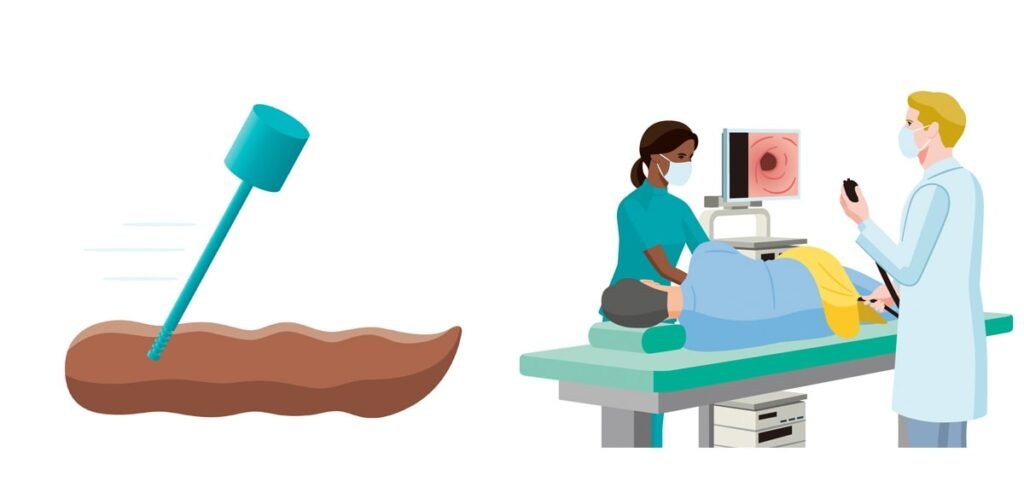
Flexible sigmoidoscopy is similar to colonoscopy but focuses on examining the lower part of the colon. CT colonography, also known as virtual colonoscopy, uses imaging technology to create detailed images of the colon. Fecal Occult Blood Test (FOBT) checks for the presence of blood in stool samples. Genetic testing can identify inherited gene mutations that increase the risk of developing bowel cancer.

Screening for Bowel Cancer
Screening programs play a crucial role in the early detection of bowel cancer. Many countries have established national bowel cancer screening programs that aim to identify the disease in its early stages. These programs often use a combination of different screening methods, such as colonoscopy, FOBT, and sigmoidoscopy.
Routine screening is vital, particularly for individuals at higher risk due to age, family history, or other factors. Guidelines and recommendations may vary depending on the country, but early detection through regular screening has proven to be effective in reducing mortality rates.
Benefits of Early Detection
Early detection of bowel cancer offers numerous benefits. Firstly, it increases the chances of successful treatment and cure. When the disease is detected early, it is more likely to be localized and treatable. This leads to higher treatment success rates and improved overall outcomes for patients.
Furthermore, early detection can mean reduced treatment intensity. Detecting bowel cancer in its early stages may allow for less extensive surgeries, minimal use of chemotherapy or radiation, and a greater range of treatment options. This can lead to a better quality of life during and after treatment.
Additionally, early detection improves long-term survival rates. Individuals diagnosed with early-stage bowel cancer have higher chances of long-term survival compared to those diagnosed at later stages. Regular screening and early intervention contribute significantly to improved prognosis and increased life expectancy.
Treatment Options for Bowel Cancer
The treatment options for bowel cancer depend on various factors, including the stage and location of the disease. Surgery is typically the primary treatment, aiming to remove the cancerous growth and surrounding tissues. In some cases, chemotherapy or radiation therapy may be used as adjuvant treatments before or after surgery to kill any remaining cancer cells.
Targeted therapy and immunotherapy are emerging treatment options that specifically target cancer cells and boost the body’s immune system to fight the disease. These innovative approaches are continuously being researched and developed to improve outcomes for individuals with bowel cancer.
Improving Early Detection for Bowel Cancer
To further enhance early detection efforts for bowel cancer, several areas need attention. Public awareness and education campaigns are essential in spreading knowledge about the disease, its risk factors, and the importance of regular screening. Informing individuals about the signs and symptoms of bowel cancer can help prompt early medical attention.
Investment in research and development of screening methods is crucial. Advancements in medical technology can lead to more accurate, less invasive, and cost-effective screening tools. Continual improvement and innovation in diagnostic tests and screening methods can have a significant impact on early detection rates.
Medical advances in understanding the biology of bowel cancer and the development of targeted therapies hold promise for improving early detection. Scientific breakthroughs and clinical trials contribute to the development of more effective treatments that specifically target cancer cells and minimize side effects.
In conclusion, early detection is of paramount importance when it comes to bowel cancer. Regular screening, understanding the risk factors, recognizing signs and symptoms, and seeking timely medical attention can save lives, reduce treatment costs, and improve the quality of life for individuals diagnosed with bowel cancer. By prioritizing early detection, we can ensure that more lives are saved and that individuals diagnosed with bowel cancer have the best possible outcomes.