
Have you ever experienced that annoying eye twitching sensation? It seems to happen out of nowhere and can be quite bothersome. Well, fret not, because in this article we will uncover some natural remedies that can help alleviate that pesky eye twitching. From simple lifestyle changes to herbal remedies, we’ve got you covered. So, sit back, relax, and get ready to bid adieu to that irritating eye twitching once and for all!
Understanding Eye Twitching
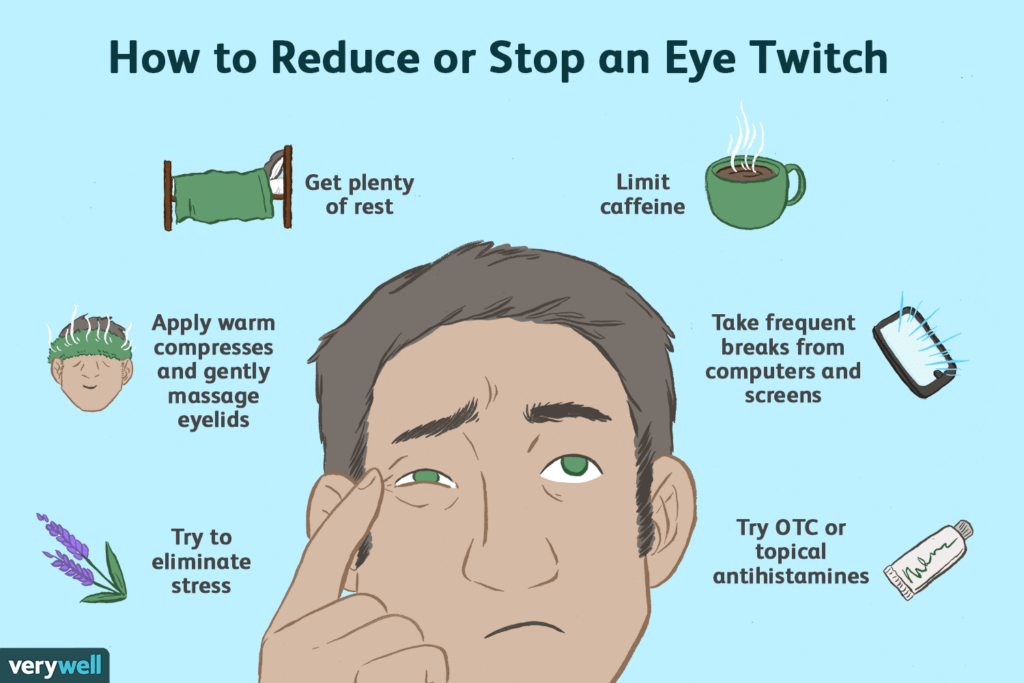
Eye twitching, also known as myokymia, is a common condition that many people experience at some point in their lives. It is characterized by involuntary spasms or contractions of the muscles around the eyes, causing the eyelid to flutter or twitch. While eye twitching is usually harmless and temporary, it can be bothersome and affect your daily activities. Understanding the causes and types of eye twitching can help you better manage and prevent it from happening.

Causes of Eye Twitching
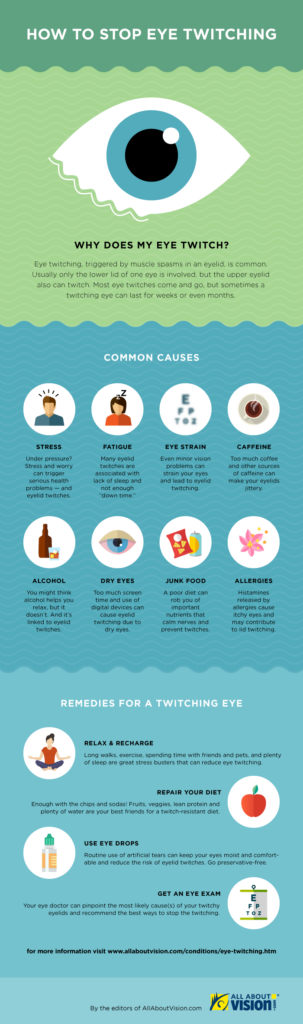
There are various factors that can contribute to eye twitching. Understanding the possible causes can help you identify triggers and find effective remedies. Common causes of eye twitching include:
Stress
Stress is a major contributor to eye twitching. When you are under stress, your body releases adrenaline, which can cause muscle contractions and spasms, including those around the eyes. Managing stress through relaxation techniques and self-care practices can help alleviate eye twitching.
Fatigue
Lack of sleep and fatigue can also lead to eye twitching. When your body is tired, the muscles around your eyes may become fatigued as well, resulting in spasms. Getting adequate sleep and practicing good sleep hygiene can reduce the frequency of eye twitching.
Caffeine and Alcohol
Both caffeine and alcohol can trigger eye twitching. Caffeine is a stimulant that can increase muscle activity, including the muscles around the eyes. Alcohol, on the other hand, can cause dehydration, which can contribute to muscle spasms. Limiting your intake of caffeine and alcohol can help alleviate eye twitching.
Eye Strain
Prolonged periods of focusing on digital screens or reading can strain your eyes, leading to eye twitching. This is commonly known as computer vision syndrome or digital eye strain. Taking regular breaks, practicing the 20-20-20 rule (looking away from the screen every 20 minutes for 20 seconds at something 20 feet away), and adjusting your screen’s brightness and contrast can help reduce eye strain and prevent twitching.
Dry Eyes
Dry eyes occur when your tears are unable to provide enough lubrication for your eyes, leading to discomfort and irritation. Eye twitching can be a symptom of dry eyes. Using artificial tears or lubricating eye drops can help relieve dryness and minimize eye twitching.
Natural Remedies to Alleviate Eye Twitching
While eye twitching is usually temporary and harmless, it can still be bothersome. Luckily, there are several natural remedies that can help alleviate eye twitching. Here are some effective remedies you can try:
1. Get Adequate Sleep
As mentioned earlier, lack of sleep and fatigue can contribute to eye twitching. It is essential to prioritize sleep and aim for 7-9 hours of quality sleep each night. Establishing a bedtime routine, creating a comfortable sleep environment, and practicing relaxation techniques can help improve your sleep quality and reduce eye twitching.
2. Manage Stress Levels
Stress is a common trigger for eye twitching, so finding ways to manage stress is crucial. Engaging in stress-reducing activities such as yoga, meditation, deep breathing exercises, or simply taking time for yourself can help alleviate eye twitching. Additionally, incorporating regular exercise into your routine can effectively reduce stress levels.
3. Hydrate Your Body
Dehydration can contribute to muscle spasms and eye twitching. Ensure that you drink an adequate amount of water throughout the day to stay hydrated. Limit your intake of caffeinated beverages and alcohol, as they can dehydrate your body. Opt for water, herbal teas, or natural fruit juices instead.
4. Limit Caffeine and Alcohol Intake
As previously mentioned, both caffeine and alcohol can trigger eye twitching. Consider reducing your consumption of these substances or cutting them out completely to see if it has a positive effect on your eye twitching. Instead, try herbal teas or decaffeinated options, and swap alcoholic beverages for non-alcoholic alternatives.
5. Relax Your Eyes
Giving your eyes a break and practicing relaxation techniques can help relieve eye twitching. Close your eyes and gently massage your eyelids with your fingertips in a circular motion. You can also try palming, which involves covering your closed eyes with your palms and applying gentle pressure for a few minutes. These exercises can help relax the eye muscles and reduce twitching.
6. Apply Warm Compress
Applying a warm compress to your eyes can help soothe the muscles and relieve eye twitching. Wet a clean cloth with warm (not hot) water and place it over your closed eyes for 5-10 minutes. The warmth will promote blood circulation and relax the eye muscles, reducing twitching.
7. Use a Cold Compress
In some cases, a cold compress can be more effective in alleviating eye twitching. Wrap a few ice cubes or a cold pack in a clean cloth and gently place it on your closed eyes for a few minutes. The cold temperature can help numb the muscles and reduce spasms.
8. Massage the Affected Area
Massaging the area around the twitching eye can provide relief and help calm the muscles. Gently apply pressure with your fingertips and massage the area in circular motions. Be careful not to apply too much pressure, as it can irritate the eyes.
9. Use Eye Drops
If your eye twitching is caused by dry eyes, using lubricating eye drops can help alleviate discomfort and twitching. Look for artificial tears or lubricating eye drops specifically designed for dry eyes. Use them as directed or as needed to keep your eyes moisturized.
10. Try Acupuncture
Acupuncture, a traditional Chinese medicine practice, involves inserting thin needles into specific points on the body to promote healing and balance. Some studies suggest that acupuncture can be beneficial in reducing eye twitching. Consult with a qualified acupuncturist to explore this natural treatment option.
In conclusion, eye twitching can be an annoying and disruptive occurrence, but with the understanding of its causes and the implementation of natural remedies, you can effectively manage and alleviate it. By prioritizing self-care, managing stress, and making lifestyle adjustments, you can minimize the frequency and intensity of eye twitching, allowing you to enjoy clear and comfortable vision. Remember to consult with a healthcare professional if your eye twitching persists or becomes severe, as it may indicate an underlying medical condition.
