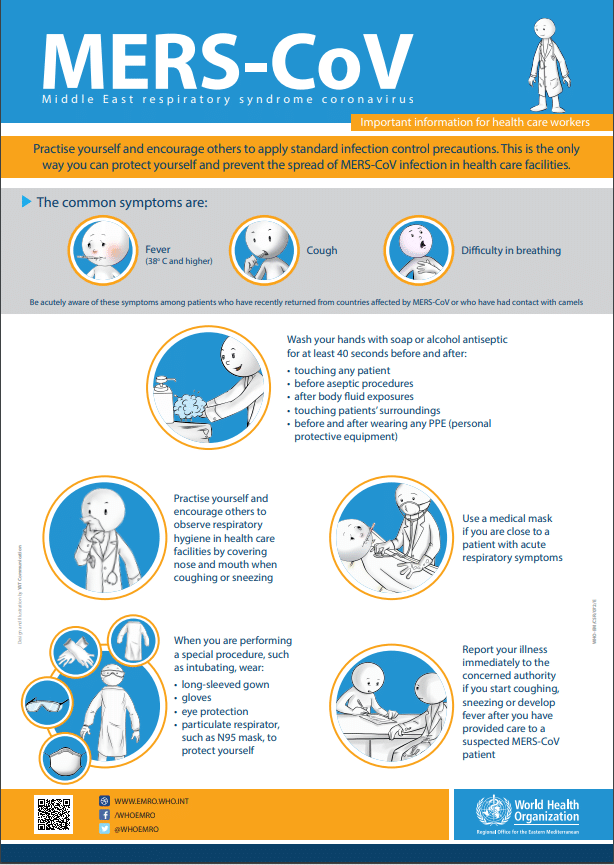
You’re about to discover effective measures to prevent the Middle East Respiratory Syndrome Coronavirus (MERS-CoV). With the rising concern about the spread of this respiratory illness, it is essential to understand how to protect yourself and those around you. By following simple yet crucial guidelines, you can significantly reduce the risk of infection and contribute to stopping the spread of this virus. Let’s explore these preventive measures together and empower ourselves with knowledge to stay safe in these challenging times.
Understanding Middle East Respiratory Syndrome Coronavirus
What is Middle East Respiratory Syndrome Coronavirus?
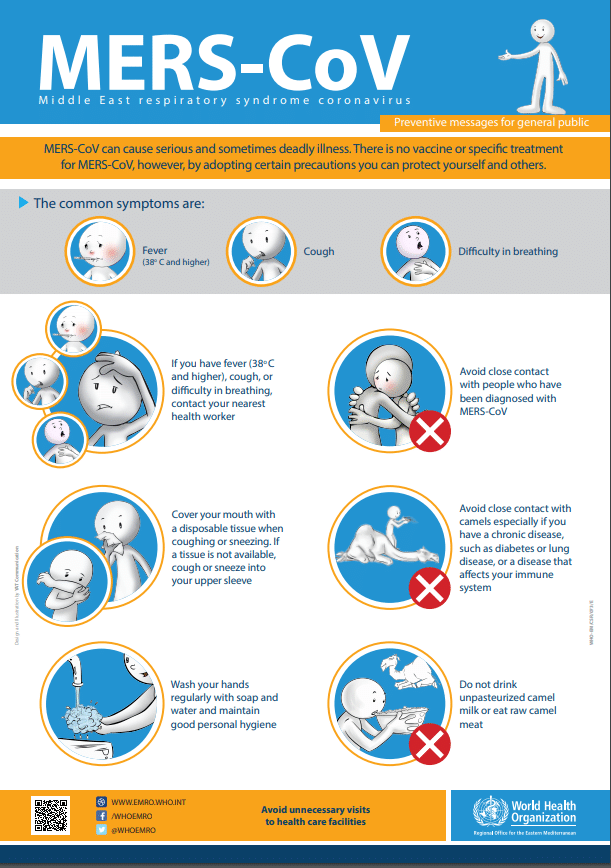
Middle East Respiratory Syndrome Coronavirus (MERS-CoV) is a viral respiratory illness that was first reported in Saudi Arabia in 2012. It belongs to the same family of viruses as Severe Acute Respiratory Syndrome (SARS) and the common cold. MERS-CoV is characterized by severe respiratory symptoms, including fever, cough, and shortness of breath. In some cases, it can progress to pneumonia and respiratory failure, leading to potentially fatal outcomes.
How does Middle East Respiratory Syndrome Coronavirus spread?
MERS-CoV spreads mainly through close contact with infected individuals. This can occur through respiratory droplets when an infected person coughs or sneezes, or by touching surfaces or objects contaminated with the virus and then touching the face, especially the nose and mouth. Transmission can also occur in healthcare settings if proper infection control measures are not followed. Although human-to-human transmission is the primary mode of spread, there have been incidents of transmission from camels to humans in countries where camels are common.
Why is Middle East Respiratory Syndrome Coronavirus a concern?
MERS-CoV is a concern due to its high fatality rate, which stands at around 35% according to the World Health Organization (WHO). While the number of cases reported worldwide has been relatively low since its discovery, with sporadic outbreaks in several countries, the virus is still considered a threat due to its unpredictable nature and potential for human-to-human transmission. MERS-CoV has the potential to cause large outbreaks, especially in healthcare settings, which could overwhelm healthcare infrastructure and result in a significant number of severe cases and deaths.
Preventing Middle East Respiratory Syndrome Coronavirus
Following Hygiene Practices
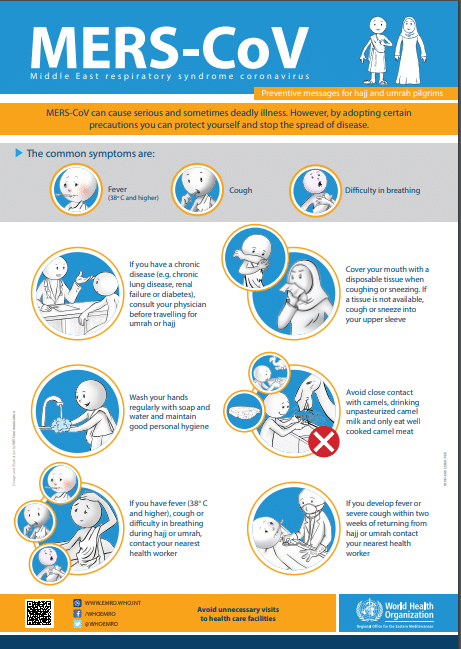
One of the most effective ways to prevent the transmission of MERS-CoV is by practicing good hygiene. This includes frequent handwashing with soap and water for at least 20 seconds, or using an alcohol-based hand sanitizer if soap and water are not available. It is especially important to wash hands before touching the face, as this can help prevent the virus from entering the body through the nose, mouth, or eyes. Additionally, maintaining cleanliness in the surrounding environment and regularly disinfecting frequently touched surfaces can help reduce the risk of contamination.
Avoiding Close Contact with Infected Individuals
As MERS-CoV primarily spreads through close contact with infected individuals, it is crucial to avoid contact with individuals showing symptoms of respiratory illness. If you suspect someone might have MERS-CoV, it is advisable to maintain a safe distance and encourage them to seek medical attention. If you are a healthcare professional, following proper infection control and prevention protocols is essential to minimize the risk of transmission in healthcare settings.
Practicing Respiratory Etiquette
Practicing respiratory etiquette is another important measure to prevent MERS-CoV. This involves covering your mouth and nose with a tissue or your elbow when coughing or sneezing to prevent the transmission of respiratory droplets. Properly disposing of used tissues and promptly washing hands after sneezing or coughing can help prevent the spread of the virus.
Maintaining a Healthy Lifestyle
A healthy lifestyle can contribute to strengthening the immune system and reducing the risk of respiratory infections, including MERS-CoV. This includes eating a balanced diet rich in fruits and vegetables, engaging in regular physical activity, getting enough sleep, and managing stress. These practices help support overall well-being and enhance the body’s ability to fight off infections.
Travel Precautions
Individuals traveling to regions where MERS-CoV is prevalent should take certain precautions to reduce the risk of infection. This includes avoiding close contact with animals, especially camels, as they have been associated with transmitting the virus to humans. It is also important to adhere to good hygiene practices and avoid crowded places, particularly if there is an ongoing outbreak in the area. Staying updated with travel advisories and following any guidelines provided by local health authorities is essential to stay informed and minimize the risk of exposure.
Quarantine Measures
Quarantine measures play a vital role in preventing the spread of MERS-CoV. Individuals suspected of being infected or who have had close contact with confirmed cases should be isolated and monitored for the development of symptoms. Quarantine periods may vary depending on the situation and guidelines provided by health authorities. It is essential to comply with quarantine measures to prevent further transmission of the virus.
Monitoring and Surveillance
Monitoring and surveillance systems are crucial for detecting and responding to potential outbreaks of MERS-CoV. Close monitoring of cases, contact tracing, and prompt reporting of suspected or confirmed cases allow for early identification and implementation of control measures. Surveillance systems help track the circulation of the virus and assess its impact, enabling public health authorities to take necessary actions and prevent further transmission.
Vaccination Programs
Currently, there is no specific vaccine available for MERS-CoV. However, research and development efforts are ongoing to develop an effective vaccine that can prevent the infection. Vaccination programs, once a safe and efficient vaccine is developed, will provide an additional layer of protection and help reduce the global burden of MERS-CoV.
Research and Development
Continued research and development efforts are crucial for understanding the virus, its transmission dynamics, and developing effective diagnostic tools, treatments, and preventive measures. Scientific collaboration, information sharing, and investment in research are essential in improving our understanding of MERS-CoV and addressing the evolving challenges it poses.
Education and Awareness
Education and awareness initiatives are vital in preventing the spread of MERS-CoV. By providing accurate and up-to-date information about the virus, its transmission, and preventive measures, individuals can make informed decisions to protect themselves and others. Public health campaigns, healthcare provider training, and community engagement programs play a crucial role in raising awareness and promoting responsible behaviors to mitigate the risk of MERS-CoV transmission.
In conclusion, understanding Middle East Respiratory Syndrome Coronavirus and taking necessary preventive measures is key to reducing the risk of transmission. By following good hygiene practices, avoiding close contact with infected individuals, practicing respiratory etiquette, maintaining a healthy lifestyle, adhering to travel precautions, implementing quarantine measures, supporting monitoring and surveillance systems, promoting vaccination programs, investing in research and development, and fostering education and awareness, we can collectively mitigate the impact of MERS-CoV and protect the health and well-being of individuals and communities worldwide.