
Living with Multiple Sclerosis (MS) can be challenging, with its unpredictable symptoms and impact on daily life. However, there is hope on the horizon as promising therapies for MS treatment continue to emerge. These innovative treatments hold the potential to improve the lives of those affected by MS, providing new possibilities for managing symptoms, slowing disease progression, and enhancing overall well-being. In this article, we will explore some of the groundbreaking therapies that offer renewed optimism for those living with MS.
Promising Therapies for Multiple Sclerosis Treatment

Overview of Multiple Sclerosis (MS)
Multiple Sclerosis, also known as MS, is a chronic neurological condition that affects the central nervous system. It occurs when the immune system mistakenly attacks the protective covering of nerve fibers, called myelin, leading to communication problems between the brain and the rest of the body. This can result in a wide range of symptoms, including fatigue, muscle weakness, balance issues, and cognitive difficulties. While there is currently no cure for MS, there are several treatment options available that can help manage symptoms and slow down the progression of the disease.
Current Treatment Options for MS
Currently, the primary goal of MS treatment is to control symptoms, increase the time between relapses, and slow the progression of the disease. The most commonly used treatment options for MS include disease-modifying therapies (DMTs), which aim to modify the immune system’s response, and symptom management therapies, which target specific symptoms that individuals with MS may experience. While these treatments have been beneficial for many, there is ongoing research and development focused on finding new and more effective therapies.
Research and Development of New Therapies
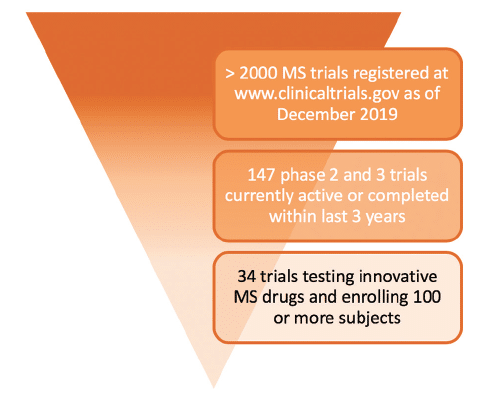
The field of multiple sclerosis research is constantly evolving, with scientists and medical professionals dedicated to developing new treatment options that can improve the quality of life for individuals living with MS. These new therapies aim to address the underlying causes of MS, including immune system dysfunction and the loss of myelin, in order to provide more targeted and effective treatments. Some of the most promising therapies currently being explored include disease-modifying therapies, stem cell transplantation, anti-inflammatory therapies, and neuroprotective and remyelination therapies.
1. Disease-Modifying Therapies (DMTs)
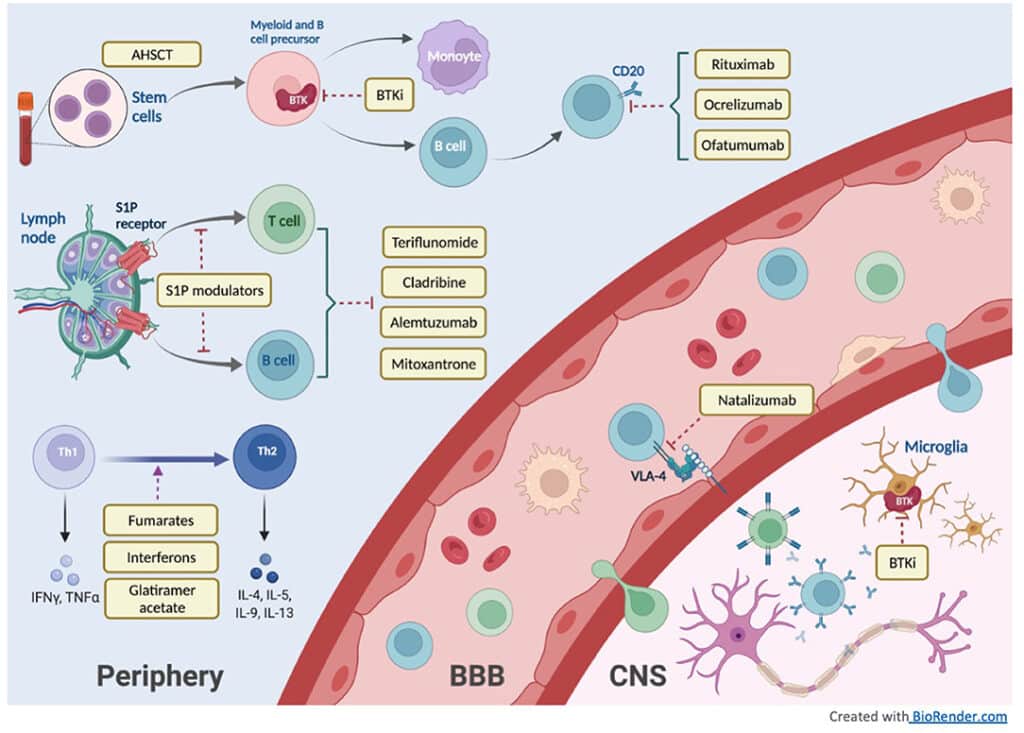
Disease-modifying therapies (DMTs) are a class of medications that work by modifying the immune system’s response to prevent further damage to the central nervous system. There are three main types of DMTs: oral DMTs, injectable DMTs, and infused DMTs.
1.1 Oral DMTs
Oral DMTs are medications taken by mouth that have been shown to be effective in reducing the number and severity of relapses in individuals with MS. Some commonly prescribed oral DMTs include fingolimod, siponimod, and cladribine. These medications work by suppressing the immune system or altering the way immune cells interact with the central nervous system.
1.2 Injectable DMTs
Injectable DMTs are medications that are administered through injections, either by a healthcare professional or self-administered. These medications include interferon beta-1a, interferon beta-1b, and glatiramer acetate. Injectable DMTs help reduce the frequency and severity of relapses by modulating the immune response and reducing inflammation.
1.3 Infused DMTs
Infused DMTs involve the administration of medication through intravenous infusion. One example of an infused DMT is natalizumab, which is given once a month by a healthcare professional. It works by preventing immune cells from entering the brain and spinal cord, reducing inflammation and damage to the myelin.
2. Stem Cell Transplantation
Stem cell transplantation is an emerging area of research in the field of MS treatment. It involves the transplantation of stem cells, which have the potential to develop into different types of cells in the body, with the goal of resetting the immune system and promoting repair. There are two main types of stem cell transplantation being explored for MS treatment: hematopoietic stem cell transplantation (HSCT) and mesenchymal stem cell therapy.
2.1 Hematopoietic Stem Cell Transplantation (HSCT)
Hematopoietic stem cell transplantation (HSCT) involves the collection of the patient’s own stem cells, followed by high-dose chemotherapy to eliminate the faulty immune cells. The stem cells are then reintroduced into the patient’s body, where they can regenerate a healthy immune system. HSCT has shown promising results in halting the progression of MS and reducing disability in some patients.
2.2 Mesenchymal Stem Cell Therapy
Mesenchymal stem cell therapy uses stem cells derived from sources such as bone marrow or umbilical cord tissue. These cells have anti-inflammatory and immunomodulatory properties, which can help reduce the immune system’s attack on myelin. Early studies have shown potential benefits in terms of symptom improvement and reduction in disease activity, but more research is needed to determine the long-term effectiveness and safety of this therapy.
3. Anti-Inflammatory Therapies
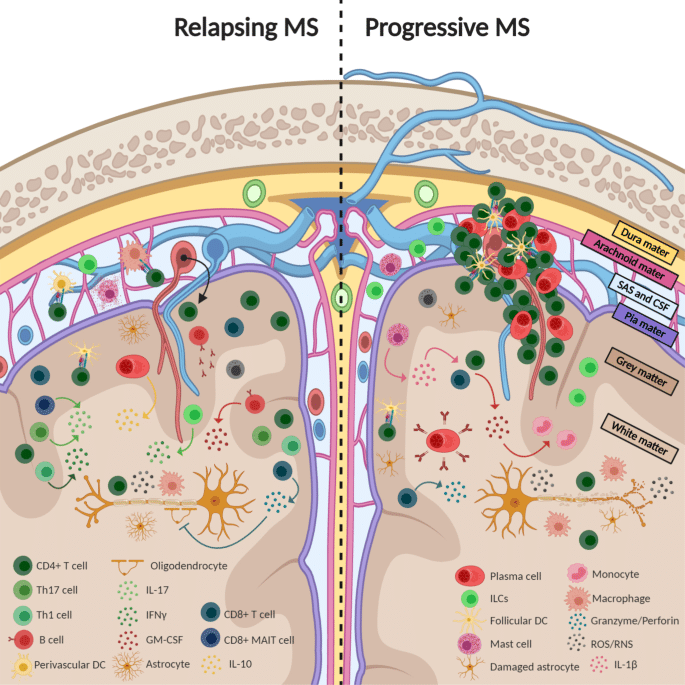
Inflammation plays a crucial role in the development and progression of MS. Anti-inflammatory therapies aim to reduce inflammation in the central nervous system, thereby slowing down the damage to myelin. Some notable anti-inflammatory therapies used in MS treatment include fingolimod, natalizumab, and ocrelizumab.
3.1 Fingolimod
Fingolimod is an oral medication that works by trapping certain immune cells in the lymph nodes, preventing them from reaching the central nervous system and causing inflammation. It has been shown to reduce relapse rates and slow down disability progression in individuals with relapsing-remitting MS.
3.2 Natalizumab
Natalizumab is an infused medication that blocks immune cells from entering the brain and spinal cord, reducing inflammation. It is often prescribed for individuals with highly active relapsing-remitting MS who have not responded to other therapies. Natalizumab has been shown to decrease relapses and slow down disease progression.
3.3 Ocrelizumab
Ocrelizumab is an infused medication that targets specific cells in the immune system called B cells, which play a role in the immune response in MS. By depleting these cells, ocrelizumab helps reduce inflammation and slow down disease progression. It has shown significant benefits in reducing relapse rates and disability progression in individuals with relapsing-remitting MS and primary progressive MS.
4. Neuroprotective and Remyelination Therapies
Neuroprotective and remyelination therapies aim to protect existing nerve cells and promote the repair of damaged myelin in individuals with MS. These therapies have the potential to slow down disease progression and improve overall function. Some examples of neuroprotective and remyelination therapies currently being investigated include siponimod, cladribine, and ibudilast.
4.1 Siponimod
Siponimod is an oral medication that targets certain receptors on immune cells, helping to reduce inflammation and promote remyelination. It has shown promising results in clinical trials, with a significant reduction in disability progression and improvements in cognitive function.
4.2 Cladribine
Cladribine is an oral medication that selectively targets certain immune cells, leading to a reduction in the inflammation associated with MS. It has been shown to reduce relapse rates and slow down disability progression in individuals with relapsing forms of MS.
4.3 Ibudilast
Ibudilast is currently being investigated as a potential neuroprotective and anti-inflammatory therapy for MS. Early studies have shown that it can reduce brain atrophy, a marker of disease progression, and improve overall brain function in individuals with progressive forms of MS.
5. Symptom Management Therapies
In addition to disease-modifying therapies, many individuals with MS require symptom management to address specific symptoms that may arise. These therapies can help improve quality of life and alleviate discomfort. Some commonly used symptom management therapies for MS include muscle relaxants, fatigue-relieving medications, and bladder control medications.
5.1 Muscle Relaxants
Muscle relaxants are often prescribed to relieve muscle spasticity and stiffness, which are common symptoms of MS. These medications work by reducing muscle tone and improving mobility and overall comfort.
5.2 Fatigue-Relieving Medications
Fatigue is a common symptom that can significantly impact the daily lives of individuals with MS. Fatigue-relieving medications, such as amantadine and modafinil, are often prescribed to help improve energy levels and reduce the impact of fatigue on daily activities.
5.3 Bladder Control Medications
Bladder dysfunction, including urinary urgency, frequency, and incontinence, is a common symptom experienced by individuals with MS. Bladder control medications, such as anticholinergic medications, can help manage these symptoms and improve bladder function.

Conclusion
While there is currently no cure for multiple sclerosis, significant progress is being made in the development of new and promising therapies. From disease-modifying therapies that target the immune system to neuroprotective and remyelination therapies that promote repair, these advancements offer hope for improved outcomes and quality of life for individuals with MS. It is important for individuals with MS to work closely with their healthcare team to discuss treatment options and find the most appropriate therapies for their specific needs and goals. With ongoing research and development, the future of multiple sclerosis treatment looks promising.