
Have you ever wondered how Multiple Sclerosis (MS) affects cognitive function? In this article, we will explore the impact of MS on the brain’s ability to think, remember, and process information. Whether you or someone you know has MS, or you’re simply interested in learning more about this condition, this article will provide valuable insights into the connection between MS and cognitive function. Let’s take a closer look at this complex relationship and understand the challenges faced by individuals living with MS.
Overview of Multiple Sclerosis
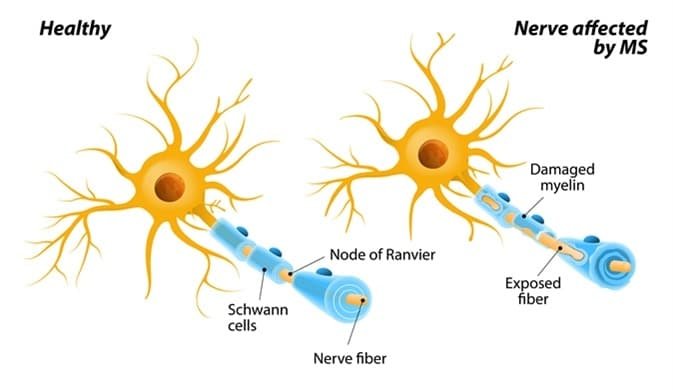
Multiple Sclerosis (MS) is a chronic neurological disorder that affects the central nervous system. It is characterized by the damage to the protective covering of nerve fibers in the brain and spinal cord, causing communication issues between these areas and the rest of the body. This interference can result in a wide range of physical, sensory, and cognitive symptoms.
Definition of Multiple Sclerosis
Multiple Sclerosis is an autoimmune disease, meaning that the body’s immune system mistakenly attacks and damages its own healthy tissues. In the case of MS, the immune system targets the myelin sheath, which is the protective covering around nerve fibers. This damage disrupts the transmission of nerve signals, leading to the symptoms associated with the condition.
Types of Multiple Sclerosis
There are several types of Multiple Sclerosis, each with its own unique characteristics and progression. The most common form is relapsing-remitting MS, where individuals experience periods of symptom flare-ups followed by periods of remission. Secondary progressive MS is characterized by a gradual worsening of symptoms over time. Primary progressive MS manifests as a steady progression of symptoms from the onset, without periods of remission. Lastly, progressive relapsing MS is a rare form where individuals experience both steady symptom progression and occasional flare-ups.
Prevalence of Multiple Sclerosis
Multiple Sclerosis is a relatively common neurological disorder, with an estimated 2.8 million people affected worldwide. It is more prevalent in certain regions, particularly those further from the equator. Women are more likely to be diagnosed with MS than men, and it is usually diagnosed between the ages of 20 and 40. While the exact cause of MS remains unknown, it is believed to be a combination of genetic and environmental factors.
Symptoms of Multiple Sclerosis
Early Symptoms of Multiple Sclerosis
The symptoms of MS can vary greatly from person to person, but there are some common early signs to be aware of. These may include fatigue, vision problems, numbness or tingling in the limbs, muscle weakness, coordination difficulties, and problems with balance and walking. While these symptoms may not initially seem severe, it is important to consult a healthcare professional if they persist or worsen.
Progression of Multiple Sclerosis
As Multiple Sclerosis progresses, symptoms can become more frequent and severe. This progression is often unpredictable and varies between individuals. Some may experience mild symptoms and periods of remission, while others may face rapid symptom progression. Common symptoms at this stage may include muscle spasms, bladder and bowel dysfunction, hearing loss, and difficulty speaking or swallowing.
Cognitive Symptoms of Multiple Sclerosis
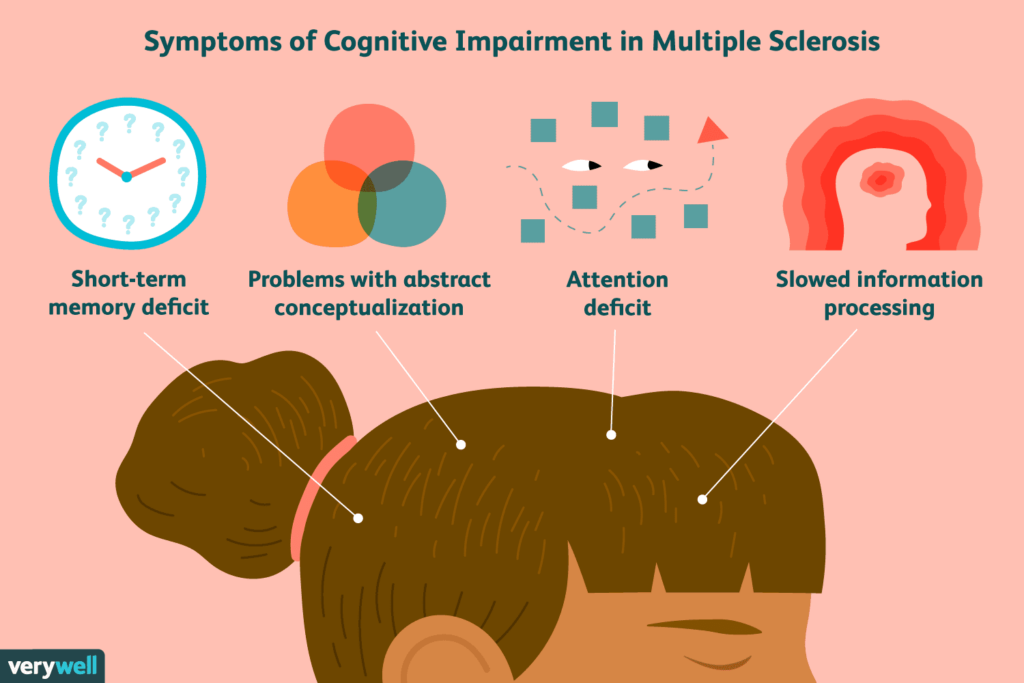
Cognitive impairment is a common symptom experienced by individuals with Multiple Sclerosis. It can affect various aspects of cognitive function, including attention, memory, information processing, problem-solving, and language skills. Cognitive symptoms can significantly impact an individual’s ability to perform everyday tasks, work, and maintain social relationships.

Cognitive Function and Multiple Sclerosis
Understanding Cognitive Function
Cognitive function refers to the mental processes involved in acquiring, processing, and utilizing information. This includes perception, memory, attention, problem-solving, and language skills. Cognitive function plays a crucial role in daily life activities and is essential for maintaining independence and overall well-being.
Types of Cognitive Impairment in Multiple Sclerosis
Multiple Sclerosis can cause different types of cognitive impairment, depending on which areas of the brain are affected. Some individuals may experience difficulties with attention and concentration, making it challenging to stay focused on tasks or conversation. Others may have problems with memory, especially short-term memory, making it difficult to remember new information or recall recent events. Language difficulties, such as word-finding issues or trouble understanding complex sentences, can also occur.
Causes of Cognitive Impairment in Multiple Sclerosis
The exact cause of cognitive impairment in Multiple Sclerosis is not fully understood. However, it is believed to be a result of the damage to the nerve fibers and disruption of communication between different areas of the brain. Additionally, factors such as inflammation, neurotransmitter imbalances, and the accumulation of lesions may contribute to cognitive dysfunction in MS.
Impact of Multiple Sclerosis on Cognitive Function
Cognitive Impairment in Early Stages of Multiple Sclerosis
Cognitive impairment can occur in the early stages of Multiple Sclerosis, even before physical symptoms become apparent. This can be challenging, as individuals may not initially associate their cognitive difficulties with MS. These early cognitive changes can affect various aspects of daily life, such as work performance, academic pursuits, and personal relationships.
Progression of Cognitive Impairment
In some cases, cognitive impairment in Multiple Sclerosis can worsen over time, particularly in individuals with progressive forms of the disease. As the disease progresses, individuals may experience more pronounced deficits in attention, memory, information processing, and executive functions. This can result in increased difficulties with multitasking, problem-solving, decision-making, and planning.
Effects of Cognitive Impairment on Daily Life
The impact of cognitive impairment on daily life can be significant. Individuals with MS may struggle with work tasks, such as remembering deadlines or organizing information. Simple daily activities, like managing finances or following recipes, can become challenging. Cognitive difficulties can also affect social interactions, as individuals may have trouble following conversations or finding the right words. These effects can lead to frustration, decreased self-esteem, and increased dependence on others.

Diagnosis of Cognitive Impairment in Multiple Sclerosis
Cognitive Assessment Tests
To diagnose cognitive impairment in Multiple Sclerosis, healthcare professionals may administer various cognitive assessment tests. These tests evaluate different aspects of cognitive function, including memory, attention, processing speed, language skills, and executive functions. Results from these tests can provide valuable information about the areas of cognition that are affected and guide treatment planning.
Neuropsychological Evaluation
A neuropsychological evaluation is another method used to assess cognitive function in individuals with Multiple Sclerosis. This comprehensive assessment involves a series of tests and interviews conducted by a neuropsychologist. The evaluation provides a detailed profile of an individual’s cognitive strengths and weaknesses and can help identify specific areas that require intervention or support.
Role of Magnetic Resonance Imaging (MRI)
In addition to cognitive assessments, magnetic resonance imaging (MRI) scans may be used to evaluate the extent of brain damage caused by MS. MRI can detect the presence of lesions and identify any changes in brain structure that may be contributing to cognitive impairment. This information can aid in determining the underlying causes and guide treatment decisions.
Treatment and Management of Cognitive Impairment
Symptom Management Strategies
While there is no cure for cognitive impairment in Multiple Sclerosis, there are strategies that can help manage symptoms. These may include implementing organizational tools and techniques, such as calendars, reminder apps, and lists, to compensate for memory difficulties. It can also be helpful to break down tasks into manageable steps and prioritize them. Engaging in regular physical exercise, getting enough sleep, and managing stress can further support cognitive function.
Cognitive Rehabilitation
Cognitive rehabilitation is a structured therapy program designed to improve cognitive abilities in individuals with MS. It involves various techniques and exercises tailored to the specific cognitive challenges experienced by each individual. These may include memory exercises, attention training, problem-solving strategies, and compensatory techniques. Cognitive rehabilitation can be delivered by a multidisciplinary team, including occupational therapists, speech-language pathologists, and neuropsychologists.
Medications for Cognitive Impairment
Currently, there is no medication specifically approved for the treatment of cognitive impairment in Multiple Sclerosis. However, some medications used to manage other MS symptoms, such as fatigue or depression, may indirectly improve cognitive function. Consultation with a healthcare professional is essential to discuss potential medication options and their potential benefits and risks.

Coping Strategies for Individuals with Cognitive Impairment
Memory Aids and Strategies
To cope with memory difficulties, individuals with cognitive impairment can utilize memory aids and strategies. These may include using calendars, setting reminders on electronic devices, keeping a detailed to-do list, and utilizing smartphone apps designed for memory support. Breaking tasks into smaller steps and using visual cues or mnemonics can also be helpful for improving memory performance.
Supportive Services and Resources
There are various supportive services and resources available to individuals with cognitive impairment in Multiple Sclerosis. Support groups provide a platform for individuals to connect with others facing similar challenges, share experiences, and learn coping strategies. Occupational therapists, social workers, and vocational counselors can provide guidance and assistance in adapting daily activities, work tasks, and educational pursuits to accommodate cognitive difficulties.
Maintaining Mental and Emotional Well-being
Cognitive impairment can have a significant impact on an individual’s mental and emotional well-being. Engaging in activities that promote mental stimulation, such as puzzles, reading, or learning new skills, can help maintain cognitive function and prevent further decline. Seeking support from loved ones, engaging in regular exercise, practicing relaxation techniques, and participating in enjoyable hobbies can also contribute to overall mental and emotional well-being.
Impact on Quality of Life
Physical and Emotional Well-being
Multiple Sclerosis and its associated cognitive impairment can have a significant impact on an individual’s overall quality of life. Physical symptoms, such as fatigue, muscle weakness, and coordination difficulties, can limit mobility and independence. Emotional well-being can also be affected, as individuals may experience frustration, anxiety, depression, and decreased self-esteem due to cognitive difficulties. It is crucial for individuals with MS to seek appropriate medical care, engage in self-care practices, and utilize available support systems to maintain their physical and emotional well-being.
Social Relationships and Support
Maintaining social relationships can be challenging for individuals with cognitive impairment in Multiple Sclerosis. Difficulties with communication, memory, and attention can make it challenging to participate in conversations, remember important details, or follow social cues. However, educating loved ones about the cognitive challenges associated with MS and utilizing supportive services can help individuals maintain meaningful relationships and receive the necessary support.
Employment and Education
Cognitive impairment in Multiple Sclerosis can impact individuals’ ability to pursue employment or educational goals. Challenges with memory, attention, and problem-solving can affect work performance and academic pursuits. However, with appropriate accommodations, support, and utilizing assistive technologies, individuals with cognitive impairment can still achieve success in their chosen careers or educational paths. Vocational rehabilitation programs, academic support services, and workplace accommodations can provide essential resources for individuals with MS.
Research and Future Directions
Current Research on Cognitive Impairment
Research on cognitive impairment in Multiple Sclerosis is ongoing, aiming to improve understanding, diagnostic methods, and treatment options. Studies are investigating the underlying pathophysiology, potential biomarkers, and factors that contribute to cognitive dysfunction in MS. Researchers are also exploring the effectiveness of various treatment approaches, including cognitive rehabilitation programs and medications targeting cognitive symptoms.
Promising Developments in Treatment
Promising developments in the treatment of cognitive impairment in Multiple Sclerosis include the use of digital interventions and cognitive training programs. These technologies utilize computer-based exercises and games to stimulate cognitive function and promote neural plasticity. Additionally, advancements in neuroimaging techniques, such as functional MRI, may provide further insights into the neural mechanisms underlying cognitive impairment and guide targeted interventions.
Areas for Future Research
While progress has been made in understanding and managing cognitive impairment in Multiple Sclerosis, there are still areas that require further research. Identifying effective biomarkers for early detection and monitoring cognitive dysfunction could aid in timely interventions. Investigating personalized treatment approaches based on individual cognitive profiles and disease course may also enhance treatment outcomes. Furthermore, exploring the long-term impact of cognitive impairment and developing strategies to minimize its impact on quality of life are crucial areas for future research.
Conclusion
Multiple Sclerosis is a complex neurological disorder that can significantly impact cognitive function. Understanding the various types of cognitive impairment, their causes, and their effects on daily life is essential in providing appropriate support and interventions for individuals with MS. While there is currently no cure for cognitive impairment in Multiple Sclerosis, management strategies and treatments can help individuals mitigate the impact on their quality of life. Ongoing research and future directions hold promise for further advancements in the understanding and treatment of cognitive impairment in Multiple Sclerosis.