
Living with bulimia nervosa can be challenging, but there are effective strategies that can greatly help in managing this eating disorder. This article will explore various techniques and approaches that can assist you in overcoming the grip of bulimia nervosa. By understanding the underlying causes and triggers, developing healthy coping mechanisms, and seeking professional support, you can take control of your life and work towards a healthier relationship with food and your body.
Understanding Bulimia Nervosa
What is Bulimia Nervosa?
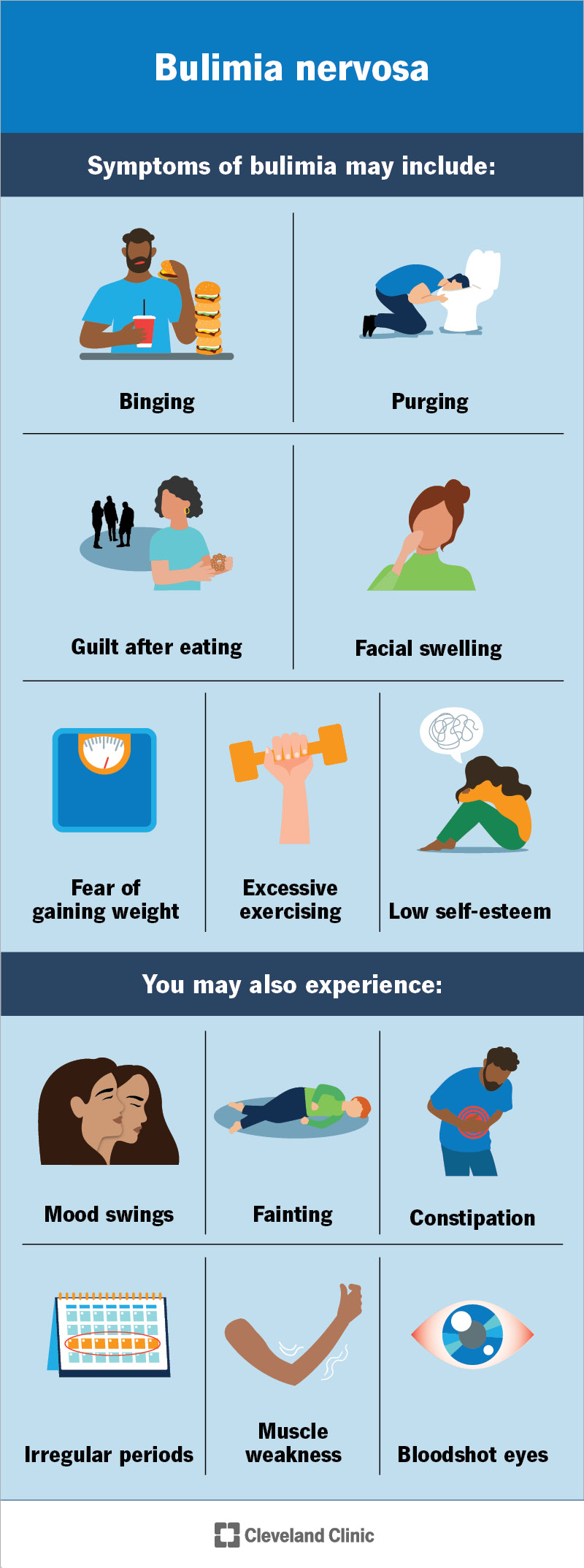
Bulimia Nervosa is a serious eating disorder characterized by recurrent episodes of binge eating, followed by compensatory behaviors such as self-induced vomiting, excessive exercise, or the misuse of laxatives or diuretics. It is a complex mental health condition that affects both your physical and emotional well-being. Individuals with bulimia often have a distorted body image and an intense fear of gaining weight, which leads to the destructive cycle of bingeing and purging.
Causes of Bulimia Nervosa
The exact cause of bulimia nervosa is unknown, but it is believed to be influenced by a combination of genetic, environmental, and psychological factors. Common risk factors include a history of trauma or abuse, low self-esteem, perfectionism, societal pressure to achieve a certain body image, and family history of eating disorders. Additionally, dieting and restrictive eating habits can also contribute to the development of bulimia nervosa.
Signs and Symptoms of Bulimia Nervosa
Recognizing the signs and symptoms of bulimia nervosa is crucial for early intervention. Some common signs include repeated episodes of binge eating, an uncontrollable desire to eat followed by intense guilt or shame, frequent trips to the bathroom after meals, secretive behavior around food, and fluctuations in weight. Other physical signs may include swollen salivary glands, erosion of tooth enamel, irregular menstrual periods, and dehydration. It’s important to remember that individuals may not exhibit all these symptoms, and the severity can vary from person to person.
Seeking Professional Help
Recognizing the need for professional help
If you suspect that you or someone you know is struggling with bulimia nervosa, it’s important to recognize the need for professional help. Bulimia is a serious condition that requires expert guidance for proper diagnosis and treatment. Seeking professional help is not a sign of weakness but rather a courageous step towards recovery and a healthier life. Therapists, psychologists, and nutritionists specializing in eating disorders can provide the necessary support and tailored treatment plans to address the underlying causes of bulimia.
Finding the right treatment team
Finding the right treatment team is essential for effective recovery. Seek out professionals who specialize in eating disorders and have experience treating bulimia nervosa. A treatment team may include a therapist or counselor, a registered dietitian, and a medical doctor. Collaborating with experts from various disciplines ensures comprehensive care, addressing both the psychological and physical aspects of the disorder. Research local resources, ask for referrals, and schedule consultations to find the right treatment team for your individual needs.
Benefits of therapy and counseling
Therapy and counseling play a vital role in the recovery journey of individuals with bulimia nervosa. Cognitive-behavioral therapy (CBT) is a commonly used approach that focuses on identifying and modifying negative thoughts and behaviors related to food, body image, and self-worth. CBT helps develop healthier coping mechanisms, improve self-esteem, and challenge distorted beliefs. Group therapy and support groups can also be beneficial, as they provide a safe space for individuals to share their experiences, learn from others, and gain support from peers who understand their struggles.

Developing a Support System
Importance of a support system
Developing a support system is crucial for navigating the challenges of bulimia nervosa. Having a network of understanding and empathetic individuals can provide a sense of belonging, encouragement, and accountability throughout the recovery process. A strong support system can help reduce feelings of isolation and loneliness, provide emotional support during difficult times, and serve as a reminder that you are not alone in your journey towards healing.
Involving family and friends
Involving family and friends in your recovery journey can greatly enhance your chances of success. Educate your loved ones about bulimia nervosa, its impact on your life, and how they can support you. Open and honest communication is key in fostering a supportive environment. Family therapy sessions can be beneficial in improving familial relationships and addressing any potential triggers or conflicts within the household. Remember, the support of your loved ones can be a powerful source of strength during challenging times.
Joining support groups
Joining support groups composed of individuals who have experienced or are currently experiencing bulimia nervosa can be incredibly helpful. These support groups provide a safe space for sharing concerns, gaining insights, and learning effective coping strategies. Online forums, local community centers, or specialized treatment facilities often offer support groups for individuals with eating disorders. Interacting with others who understand your struggles can help foster a sense of community, encouragement, and inspiration along your road to recovery.
Establishing Healthy Eating Habits
Learning to eat mindfully
Learning to eat mindfully is essential in developing a healthier relationship with food and breaking the cycle of bingeing and purging. Mindful eating involves paying attention to your body’s hunger and fullness cues, savoring each bite, and being fully present during mealtimes. Slow down, chew your food thoroughly, and be mindful of the taste, texture, and satisfaction derived from eating. Avoid distractions like screens or multitasking, and focus on the act of nourishing your body.
Creating a balanced meal plan
Working with a registered dietitian who specializes in eating disorders can help you create a balanced meal plan tailored to your individual needs and goals. A balanced meal plan consists of a variety of foods from different food groups, providing essential nutrients while promoting a healthy relationship with food. Avoiding strict diets or labeling foods as “good” or “bad” is important to prevent feelings of deprivation or obsession. The meal plan should aim for moderation, variety, and a healthy combination of macronutrients.
Setting realistic goals
Setting realistic goals is crucial for sustainable progress and preventing feelings of overwhelm or failure. It’s important to remember that recovery from bulimia nervosa is a journey, and it may be accompanied by setbacks and challenges. Start by setting small, achievable goals such as reducing the frequency of bingeing and purging episodes or increasing your ability to cope with triggers. Celebrate each milestone and acknowledge your progress, no matter how small. Focus on progress rather than perfection and be patient with yourself as you navigate the recovery process.
Managing Triggers and Temptations
Identifying triggers and temptations
Identifying triggers and temptations is essential in managing bulimia nervosa. Triggers can be internal, such as negative emotions or body dissatisfaction, or external, such as social situations or specific environments. It’s important to become aware of what triggers your urge to engage in disordered behaviors and develop strategies to address them effectively. Common triggers may include stress, social events, negative body image talk, or certain foods. By understanding your triggers, you can develop personalized coping mechanisms to prevent or minimize their impact on your recovery.
Implementing coping mechanisms
Implementing healthy coping mechanisms is crucial for managing triggers and avoiding destructive behaviors. Develop a toolkit of coping strategies that work for you, such as deep breathing exercises, journaling, engaging in hobbies or creative outlets, taking a walk in nature, or reaching out to a trusted friend. Experiment with different techniques and find what brings you comfort and relief during challenging times. It’s important to engage in self-care activities that nourish your mind, body, and soul.
Avoiding unrealistic expectations
Avoiding unrealistic expectations is key in managing bulimia nervosa. Recovery is a gradual process, and it’s important to be realistic about the time and effort it takes to heal. Avoid comparing your progress to others’ or setting unattainable ideals for yourself. Each individual’s journey is unique, and it’s important to focus on your own growth and recovery. Be patient, kind, and compassionate towards yourself as you navigate the ups and downs of the recovery process.
Implementing Stress Management Techniques
Benefits of stress management
Implementing stress management techniques is essential for overall well-being and recovery from bulimia nervosa. Chronic stress can trigger disordered eating behaviors and hinder progress. By managing stress effectively, you can reduce the likelihood of relapse and promote a balanced lifestyle. Stress management techniques have a positive impact on your mental health, physical health, and overall quality of life.
Practicing mindfulness and meditation
Practicing mindfulness and meditation can help reduce stress levels and promote a sense of calm and self-awareness. Regular mindfulness exercises can assist in breaking the cycle of negative thoughts that contribute to bulimia nervosa. Engage in daily mindfulness practices, such as deep breathing exercises, guided meditations, or body scan exercises. These techniques can help you stay present, manage stress, and cultivate a more positive relationship with yourself and your body.
Engaging in physical activities
Engaging in regular physical activities has numerous benefits for individuals with bulimia nervosa. Exercise promotes the release of endorphins, which are known as “feel-good” hormones, reducing feelings of anxiety and depression. Choose activities that you enjoy and that align with your personal preferences and capabilities. Aim for a balanced approach to exercise, avoiding excessive and compulsive behaviors. Consult with your treatment team to create an exercise plan that supports your recovery goals and fosters a healthy relationship with physical activity.

Addressing Body Image Concerns
Understanding the impact of body image
Addressing body image concerns is essential in the recovery process of bulimia nervosa. Individuals with bulimia often struggle with a distorted body image, which contributes to the development and maintenance of disordered eating behaviors. Understanding the impact of societal beauty standards, media influence, and cultural expectations is crucial in challenging negative body image beliefs. Recognize that beauty comes in diverse shapes and sizes, and your worth is not defined by your appearance.
Promoting self-acceptance and self-esteem
Promoting self-acceptance and self-esteem is a fundamental component of recovery from bulimia nervosa. Focus on embracing your unique qualities and celebrating what makes you special. Challenge negative self-talk and replace it with positive affirmations. Surround yourself with individuals who support your journey towards self-acceptance and who uplift your self-esteem. Engage in activities that promote self-care and enhance your self-worth.
Challenging negative thoughts
Challenging negative thoughts is crucial in overcoming the distorted beliefs associated with bulimia nervosa. Negative self-talk can be detrimental to recovery and perpetuate the cycle of disordered eating behaviors. Practice cognitive restructuring techniques to identify and challenge irrational thoughts. Replace negative thoughts with positive and realistic affirmations. Seek the support of your treatment team and loved ones to provide counterarguments to negative beliefs. Over time, you can rewire your thinking patterns and develop a more positive and compassionate mindset.
Cognitive-Behavioral Strategies
Using cognitive restructuring
Cognitive restructuring is a powerful strategy used in the treatment of bulimia nervosa. It involves identifying negative or distorted thoughts related to body image, food, weight, and self-worth, and replacing them with more rational and balanced thoughts. Work with a therapist trained in cognitive-behavioral therapy (CBT) to learn techniques for challenging and reframing unhealthy thoughts. By reshaping your thinking patterns, you can reduce the influence of negative thoughts on your emotions and behaviors.
Engaging in exposure therapy
Exposure therapy is another effective cognitive-behavioral technique used in the treatment of bulimia nervosa. It involves gradually exposing yourself to feared situations or triggers while learning healthy coping mechanisms. Under the guidance of a therapist, you can face situations that provoke anxiety or the urge to engage in disordered behaviors, ultimately reducing their power over you. Exposure therapy helps build resilience and confidence in managing challenging situations and triggers effectively.
Utilizing self-monitoring tools
Utilizing self-monitoring tools can be beneficial in tracking your progress and identifying patterns or triggers associated with bulimia nervosa. Keep a journal to record your thoughts, emotions, and behaviors related to food, body image, and self-care. This self-monitoring can help you gain insight into your patterns and provide valuable information to your treatment team. Use digital apps or online platforms to track your meals, behaviors, and emotional states. By being aware of your actions, you can make informed decisions and adjust your strategies as needed.

Building Resilience and Self-Care
Importance of self-care
Building resilience and practicing self-care is essential in the recovery journey from bulimia nervosa. Self-care involves prioritizing your physical, mental, and emotional needs. Engage in activities that bring you joy, relaxation, and fulfillment. This may include hobbies, spending time in nature, practicing mindfulness, journaling, or pampering yourself. Prioritizing self-care helps you recharge, maintain balance, and cope with the challenges of recovery.
Building emotional resilience
Building emotional resilience is a crucial aspect of overcoming the challenges associated with bulimia nervosa. Emotional resilience allows you to navigate difficulties, setbacks, and triggers without resorting to destructive behaviors. Strengthen your emotional resilience by practicing self-compassion, cultivating positive coping mechanisms, and seeking support when needed. Remind yourself that setbacks are a normal part of the recovery process and that each day is an opportunity for growth and healing.
Practicing self-compassion
Practicing self-compassion is an essential component of managing bulimia nervosa. Treat yourself with the same kindness, understanding, and forgiveness you would extend to a loved one. Remember that recovery is a journey, and setbacks are learning opportunities, not signs of failure. Be patient with yourself, practice self-care, and acknowledge your progress no matter how small. Treat yourself with the love and compassion you truly deserve.
Preventing Relapse and Continuing Recovery
Identifying warning signs of relapse
Identifying warning signs of relapse is crucial in preventing a return to disordered eating behaviors. Common warning signs may include increased stress levels, negative changes in body image perception, social isolation, decreased motivation for treatment, or a preoccupation with weight and calories. Regularly check in with yourself and recognize any subtle shifts that may indicate a potential relapse. Stay in touch with your treatment team and trusted individuals who can help you identify and address warning signs early on.
Implementing relapse prevention strategies
Implementing relapse prevention strategies is essential in maintaining long-term recovery from bulimia nervosa. Work with your treatment team to develop an individualized relapse prevention plan. This plan may include ongoing therapy sessions, regular check-ins with your treatment team, support group attendance, and self-monitoring practices. Engage in stress management techniques, continue practicing self-care, and maintain a healthy support system. By being proactive and diligent in your self-care, you can decrease the risk of relapse and stay committed to your recovery goals.
Maintaining a support network
Maintaining a support network is crucial throughout your recovery journey. Cultivate relationships with individuals who are understanding, non-judgmental, and supportive of your healing process. Stay connected with your treatment team, attend therapy sessions, and join support groups to continue benefiting from their guidance and encouragement. Share your progress, challenges, and successes with your support network, as they can provide invaluable emotional support and accountability. Remember, you are not alone, and your support network is there to help you maintain your recovery and live a fulfilling life.
In conclusion, managing bulimia nervosa requires a comprehensive approach that addresses the underlying factors contributing to the disorder. Seek professional help, develop a support system, establish healthy eating habits, manage triggers and temptations, implement stress management techniques, address body image concerns, utilize cognitive-behavioral strategies, build resilience through self-care, and maintain a focus on preventing relapse. By incorporating these effective strategies into your daily life, you can embark on a journey of recovery, self-discovery, and lasting wellness. Remember, you are deserving of a healthy and fulfilling life, and with the right tools and support, you can overcome bulimia nervosa and thrive.