
If someone you care about is struggling with bulimia nervosa, it can be difficult to know how to offer support. In this article, we will explore ways that you can provide assistance to your loved one as they navigate their journey towards recovery. With empathy, understanding, and patience, you can play a vital role in helping them overcome the challenges associated with this eating disorder.
Understanding Bulimia Nervosa
Bulimia Nervosa is a serious eating disorder that can have harmful physical and emotional consequences. It is characterized by a cycle of binge eating followed by purging behaviors, such as self-induced vomiting or excessive exercise. Understanding the definition and symptoms of Bulimia Nervosa is crucial in recognizing and providing support for individuals facing this disorder.
Definition and Symptoms of Bulimia Nervosa
Bulimia Nervosa is defined as a mental health disorder that involves recurring episodes of binge eating, often with a sense of loss of control, followed by compensatory behaviors to prevent weight gain. These compensatory behaviors can include self-induced vomiting, using laxatives or diuretics, fasting, or excessive exercise.
To identify someone with Bulimia Nervosa, it is essential to recognize the following symptoms:
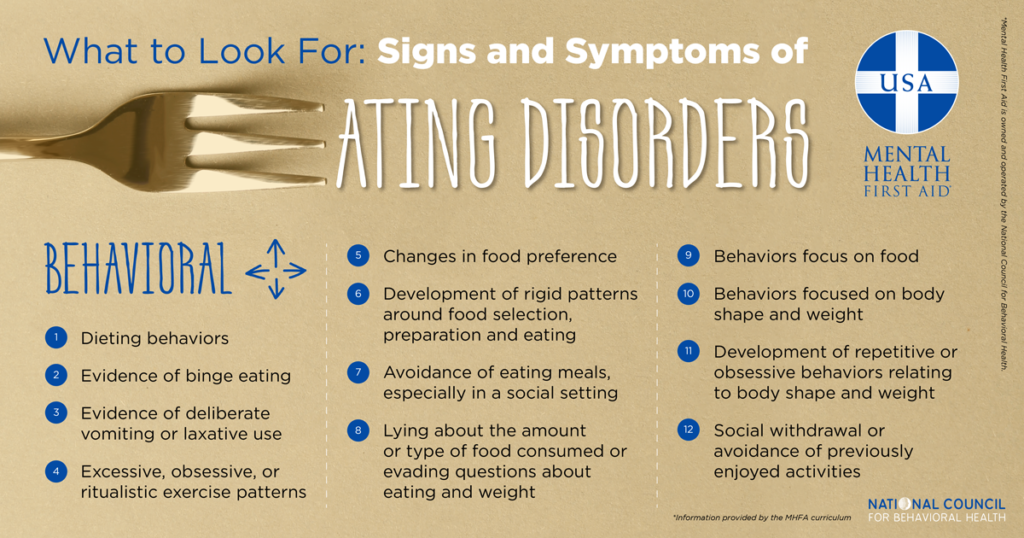
- Frequent episodes of consuming large quantities of food, typically in secret.
- Feeling a lack of control during binge eating episodes.
- Engaging in purging behaviors, such as vomiting or excessive exercise.
- Experiencing a distorted body image, with an intense fear of gaining weight.
- Frequently using laxatives, diuretics, or other medications to control weight.
- An obsession with body shape and weight that negatively impacts self-esteem.
Causes of Bulimia Nervosa
The causes of Bulimia Nervosa are complex and can involve a combination of genetic, environmental, and psychological factors. Some potential causes include:
- Genetics: Certain genetic factors may increase an individual’s vulnerability to developing Bulimia Nervosa. Those with a family history of eating disorders may be more susceptible.
- Psychological Factors: Perfectionism, low self-esteem, and body dissatisfaction can contribute to the development of Bulimia Nervosa. Additionally, individuals with anxiety or depression may be at a higher risk.
- Societal Pressure: Unrealistic beauty standards portrayed in the media can significantly impact body image and trigger disordered eating patterns.
- Traumatic Experiences: Past trauma, such as childhood abuse or bullying, can contribute to the development of Bulimia Nervosa as a coping mechanism or means of regaining control.
Recognizing the Signs
Understanding and recognizing the signs of Bulimia Nervosa is vital for providing support to individuals who may be suffering silently. Being aware of both the physical and behavioral signs can help identify the presence of this eating disorder.
Physical Signs of Bulimia Nervosa
- Frequent fluctuations in weight: Individuals with Bulimia Nervosa may experience weight fluctuations due to the cycle of bingeing and purging.
- Swollen glands: Frequent self-induced vomiting can cause swelling in the neck and face, particularly around the salivary glands.
- Dental problems: The stomach acid from purging episodes can erode tooth enamel, leading to cavities and dental decay.
- Gastrointestinal issues: The repetitive purging can result in gastrointestinal problems such as constipation, acid reflux, and damage to the esophagus.
- Dehydration: Frequent use of laxatives or diuretics can lead to dehydration and electrolyte imbalances, which can have severe health consequences.
Behavioral Signs of Bulimia Nervosa
- Hoarding food: Individuals with Bulimia Nervosa may hoard large quantities of food in secret, to be consumed during binge episodes.
- Frequent trips to the bathroom after meals: Purging behaviors, such as self-induced vomiting, can cause individuals to isolate themselves after meals to engage in purging.
- Unusual eating habits: A person struggling with Bulimia Nervosa may exhibit patterns of extreme dieting, fasting, or restricting food intake in between binge episodes.
- Compulsive exercise: Engaging in excessive and compulsive exercise as a form of compensation for the binge eating episodes.
- Social withdrawal: Feeling embarrassed or ashamed of their behaviors, individuals may withdraw from social situations that involve food.

The Importance of Support
Support plays a crucial role in helping individuals with Bulimia Nervosa on their journey towards recovery. Understanding the effects of Bulimia Nervosa on loved ones and the benefits of support can help provide the necessary encouragement and assistance.
Effects of Bulimia Nervosa on Loved Ones
Bulimia Nervosa not only impacts the individual facing the disorder but also affects their loved ones. Family members and close friends may experience a range of emotions, including worry, guilt, frustration, and helplessness. Witnessing a loved one suffer from an eating disorder can be incredibly distressing and may strain relationships.
Benefits of Providing Support
Providing support to individuals with Bulimia Nervosa is essential for their recovery. By actively engaging in their journey, you can help create a positive and supportive environment that encourages open communication and healing. Here are some benefits of providing support:
- Invaluable emotional support: Demonstrating understanding, empathy, and unconditional love can help the individual feel supported and less alone in their struggles.
- Encouraging seeking professional help: Assisting in finding appropriate treatment providers and advocating for therapy can be instrumental in the road to recovery.
- Promoting accountability and motivation: Supporting an individual’s efforts in choosing healthy lifestyle habits and engaging in recovery-centered activities can help boost their motivation and dedication.
- Reducing stigma and promoting awareness: By offering support and understanding, you can be part of breaking down the stigma surrounding eating disorders, encouraging others to seek help without shame or judgment.
Educating Yourself
To provide effective support, it is crucial to educate yourself about Bulimia Nervosa. Researching the disorder and understanding the available treatment options will equip you with the knowledge and resources needed to assist and guide your loved one on their journey to recovery.
Researching Bulimia Nervosa
Taking the time to research Bulimia Nervosa will allow you to develop a comprehensive understanding of the disorder. Seek reputable sources such as medical journals, books, and professional organizations specialized in eating disorders to ensure accurate and reliable information. Resources may include information about the causes, symptoms, associated health risks, and available treatment approaches.
Understanding Treatment Options
Familiarizing yourself with the various treatment options for Bulimia Nervosa is essential to guide your loved one towards the most appropriate care. Treatment options may include:
- Therapy: Different forms of therapy, such as cognitive-behavioral therapy (CBT), dialectical behavior therapy (DBT), or interpersonal therapy, can help individuals address the underlying psychological factors contributing to their eating disorder.
- Nutrition counseling: Working with a registered dietitian who specializes in eating disorders can help develop a healthy and balanced meal plan and establish a positive relationship with food.
- Medical intervention: In some cases, medication may be prescribed to address co-occurring mental health conditions like depression or anxiety.
Remember, regardless of the chosen treatment option, each person’s recovery journey is unique, and progress may vary. Patience, understanding, and ongoing support are key throughout the treatment process.
Open Communication
Establishing open lines of communication is crucial when supporting someone with Bulimia Nervosa. Creating a safe and non-judgmental environment, practicing active listening, and demonstrating empathy are essential elements in fostering open communication.
Creating a Safe and Non-Judgmental Environment
It is essential to create a safe and non-judgmental environment that encourages open conversations about Bulimia Nervosa. Avoid criticizing or shaming your loved one for their behavior and instead focus on demonstrating empathy, compassion, and unconditional love. Offer a listening ear without judgment, providing reassurance that you are there to support them throughout their recovery journey.
Active Listening and Empathy
When engaged in conversations around Bulimia Nervosa, practice active listening by giving your undivided attention and avoiding distractions. This involves maintaining eye contact, nodding to show understanding, and rephrasing or summarizing their thoughts and feelings to ensure clear communication. Demonstrate empathy by validating their experiences and emotions, letting them know that their feelings are understood and acknowledged.
Encouraging Professional Help
While your support is invaluable, it is essential to encourage your loved one to seek professional help to address Bulimia Nervosa effectively. Understanding the role of therapy and assisting in finding suitable treatment providers will greatly contribute to their recovery.
Understanding the Role of Therapy
Therapy plays a vital role in the treatment of Bulimia Nervosa. Different therapy modalities aim to address the underlying psychological factors contributing to the disorder. Some therapeutic approaches that may be beneficial include:
- Cognitive-Behavioral Therapy (CBT): CBT helps individuals identify and change the negative thoughts and behavioral patterns associated with their eating disorder. It teaches skills to challenge distorted thinking, address body image concerns, and develop healthier coping strategies.
- Dialectical Behavior Therapy (DBT): DBT focuses on building skills to regulate emotions, manage distress, and improve interpersonal relationships.
- Interpersonal Therapy (IPT): IPT aims to improve individuals’ social skills and address relationship difficulties or conflicts that may contribute to the development or maintenance of Bulimia Nervosa.
Assisting in Finding Treatment Providers
Helping your loved one find appropriate treatment providers can greatly facilitate their recovery journey. Research local therapists, treatment centers, or specialists who have experience in eating disorders and collaborate with your loved one to select the best option for their needs. Assisting with appointment scheduling and offering transportation can alleviate some of the logistical challenges they may face.

Promoting Healthy Habits
Promoting healthy habits is an essential aspect of supporting individuals with Bulimia Nervosa. Encouraging a balanced diet and supporting physical activities can contribute to their overall well-being and recovery.
Encouraging a Balanced Diet
Supporting your loved one in establishing a balanced diet can help them develop a healthier relationship with food. Encourage them to work with a registered dietitian specialized in eating disorders, who can provide guidance around meal planning, portion sizes, and intuitive eating. Encouraging regular, structured meals and snacks can also help normalize eating patterns.
Supporting Physical Activities
Physical activities can play a positive role in helping individuals with Bulimia Nervosa regain a healthy relationship with their bodies. Encourage your loved one to engage in physical activities they enjoy and that promote body acceptance and strength rather than focusing solely on weight loss. Consider going on walks or participating in other activities together, promoting a positive and supportive environment.
Coping Strategies for Loved Ones
When supporting someone with Bulimia Nervosa, it is crucial to prioritize your own well-being as well. Implementing self-care strategies, setting boundaries, and seeking support for yourself can equip you to better support your loved one.
Self-Care and Emotional Well-Being
Practicing self-care is essential for maintaining your emotional well-being when supporting someone with Bulimia Nervosa. Engage in activities that bring you joy, reduce stress, and promote relaxation. This can include hobbies, exercise, spending time with friends, or seeking counseling or support groups for yourself.
Setting Boundaries and Seeking Support
As a supportive figure, it is crucial to set boundaries to prevent burnout and protect your own mental health. Communicate your needs openly with your loved one and establish limits that respect your emotional well-being. Additionally, seek support from friends, family, or therapists who can provide guidance and understanding during challenging times.

Reducing Triggers and Promoting Recovery
Creating an environment that reduces triggers and promotes recovery can significantly impact the healing journey for individuals with Bulimia Nervosa. Removing or restricting access to triggers and encouraging a supportive social circle can aid in their recovery.
Removing or Restricting Access to Triggers
Identifying and removing triggers from the individual’s environment can be instrumental in reducing the risk of relapse. This can include removing diet and weight-loss materials, avoiding triggering conversations, and limiting exposure to social media or images that perpetuate unrealistic body ideals.
Encouraging a Supportive Social Circle
Encouraging your loved one to surround themselves with a supportive and understanding social circle is crucial for their recovery. Foster connections with friends, family, or support groups that promote body positivity, self-acceptance, and non-judgmental attitudes. Consider accompanying them to support group meetings or encouraging online communities where they can share experiences and receive encouragement.
Dealing with Relapses
Relapses are often part of the recovery process for individuals with Bulimia Nervosa. Recognizing early warning signs, rebuilding trust, and encouraging ongoing recovery efforts are essential when coping with relapses.
Recognizing Early Warning Signs
Being aware of early warning signs can help you identify when a loved one may be moving towards a relapse. These signs may include changes in behavior, mood swings, increased secrecy around food, or withdrawal from social activities. Promptly addressing these warning signs and implementing coping strategies is crucial to prevent the relapse from escalating.
Rebuilding Trust and Encouraging Recovery
Relapses can be discouraging for both the individual and their loved ones. However, it is essential to adopt a compassionate and supportive approach when helping them rebuild trust and encouraging their recovery efforts. Reinforce the progress that has been made and remind them that setbacks are a normal part of the healing journey. Encourage them to seek professional help or re-engage in therapy to regain stability and momentum towards recovery.
In conclusion, supporting someone with Bulimia Nervosa requires understanding, empathy, and ongoing support. By educating yourself, creating open lines of communication, promoting healthy habits, and implementing effective coping strategies, you can provide the necessary support to help your loved one navigate their recovery journey. Remember, recovery takes time, and your unwavering support can make a significant difference in their lives.