
In this article, you will gain insights into the complex yet treatable eating disorder known as Bulimia Nervosa. We will explore the symptoms, causes, and potential treatment options for individuals struggling with this condition. By understanding the underlying factors and addressing them with compassion and support, we can empower those affected to embark on a path towards recovery and improved well-being.

Understanding Bulimia Nervosa
Defining Bulimia Nervosa
Bulimia Nervosa is a serious eating disorder characterized by recurrent episodes of binge eating followed by compensatory behaviors such as self-induced vomiting, excessive exercise, or the misuse of laxatives. Individuals with bulimia nervosa often have a distorted body image and experience a sense of loss of control during their binge-eating episodes. The disorder can lead to significant physical and psychological complications if left untreated.
Prevalence and Risk Factors
Bulimia nervosa affects people of all ages, genders, and backgrounds. According to research, it is more common in females, but it is increasingly recognized in males as well. The prevalence of bulimia nervosa varies across different populations, but estimates suggest that it affects approximately 0.5-1% of women and 0.1% of men. Risk factors for developing bulimia nervosa include genetics, certain personality traits, history of trauma or abuse, societal pressure for thinness, and cultural factors that emphasize appearance.
Signs and Symptoms
Recognizing the signs and symptoms of bulimia nervosa is crucial in identifying the disorder early and seeking appropriate intervention. Common signs and symptoms include recurrent episodes of binge eating, a feeling of loss of control during binge-eating episodes, frequent trips to the bathroom after meals, excessive exercise, use of laxatives or diuretics, strict dieting or fasting behaviors, and fluctuations in weight. Individuals with bulimia nervosa may also exhibit signs of dental erosion, swollen salivary glands, and electrolyte imbalances.
Causes of Bulimia Nervosa
Biological Factors
Although the exact cause of bulimia nervosa is unknown, there is evidence to suggest that biological factors play a role in its development. Studies have found a genetic predisposition to eating disorders, with certain genes influencing one’s susceptibility to bulimia nervosa. Additionally, imbalances in brain chemicals such as serotonin, which regulate mood and appetite, have been observed in individuals with the disorder.
Psychological Factors
Psychological factors also contribute to the development of bulimia nervosa. Individuals with low self-esteem, perfectionist tendencies, and a negative body image are more susceptible to developing the disorder. Additionally, imbalanced coping mechanisms and difficulties in managing emotions may lead individuals to turn to binge eating and purging behaviors as a way to regulate their feelings.
Sociocultural Factors
Sociocultural factors, such as societal pressure for thinness, can significantly influence the development of bulimia nervosa. Media portrayals of “ideal” body types, diet culture, and the emphasis on appearance contribute to distorted body image and disordered eating behaviors. Cultural factors, such as family and peer influences, can also play a role in the development of the disorder.

Diagnosing Bulimia Nervosa
Diagnostic Criteria
The diagnosis of bulimia nervosa is based on specific criteria outlined in the Diagnostic and Statistical Manual of Mental Disorders, Fifth Edition (DSM-5). To be diagnosed, individuals must meet the following criteria: recurrent episodes of binge eating, recurrent inappropriate compensatory behaviors to prevent weight gain, the binge-eating and compensatory behaviors occurring at least once a week for three months, self-evaluation influenced by body shape and weight, and the disorder not being solely accounted for by another mental disorder.
Assessment and Evaluation
A comprehensive assessment is necessary to establish the diagnosis of bulimia nervosa and rule out other conditions. This evaluation typically includes a detailed history of eating behaviors, physical examination, psychological evaluations, and laboratory tests to assess electrolyte imbalances. It is essential for healthcare professionals to approach this assessment with sensitivity and empathy, building a trusting relationship with the individual to encourage openness and honesty.
Consequences and Complications
Physical Effects
Bulimia nervosa can have severe physical consequences if left untreated. Individuals may experience electrolyte imbalances, which can lead to dehydration, kidney dysfunction, and cardiac abnormalities. Frequent vomiting can cause dental erosion, swollen salivary glands, and gastric complications. Additionally, the lack of proper nutrition can lead to deficiencies in essential nutrients, hormonal imbalances, and compromised bone health.
Emotional Impact
The emotional impact of bulimia nervosa can be profound. Individuals may experience feelings of guilt and shame associated with their binge-eating and purging behaviors. Moreover, the preoccupation with body shape and weight can lead to low self-esteem, depression, and anxiety. The disorder can also strain personal relationships and negatively impact one’s overall quality of life.
Social Consequences
Bulimia nervosa can have significant social consequences as well. Due to the secretive nature of the disorder, individuals may withdraw from social activities and isolate themselves from friends and family. The disorder can also interfere with academic or professional performance, leading to difficulties in personal and occupational functioning. The stigma surrounding mental health and eating disorders can further perpetuate feelings of shame and prevent individuals from seeking help.

Treating Bulimia Nervosa
Psychotherapy
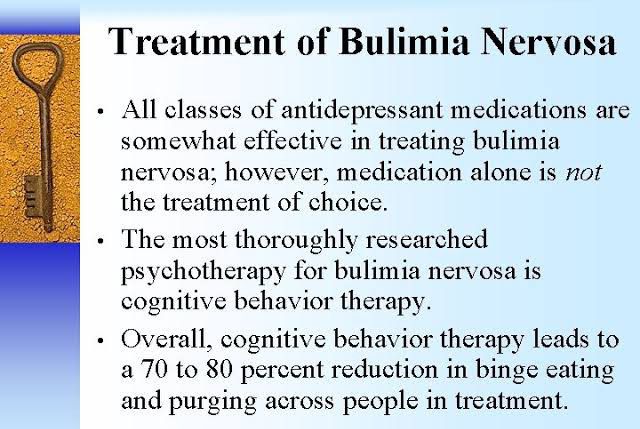
Psychotherapy, specifically cognitive-behavioral therapy (CBT), is considered the gold standard treatment for bulimia nervosa. This form of therapy aims to help individuals identify and modify their maladaptive thoughts and behaviors surrounding food, body image, and weight. Through the use of various techniques, such as self-monitoring, cognitive restructuring, and exposure therapy, individuals can develop healthier coping mechanisms and a more positive body image.
Nutritional Counseling
Nutritional counseling plays a crucial role in the treatment of bulimia nervosa. Registered dietitians who specialize in eating disorders can help individuals establish a healthy relationship with food and develop balanced eating patterns. Nutritional counseling focuses on educating individuals about proper nutrition, developing regular eating habits, and addressing any specific nutritional deficiencies that may have arisen due to the disorder.
Medications
Medications may be prescribed to individuals with bulimia nervosa, particularly if they have co-occurring mental health conditions such as depression or anxiety. Selective serotonin reuptake inhibitors (SSRIs), a type of antidepressant, have shown efficacy in reducing binge-eating and improving overall mood. Medications should always be prescribed and monitored by a healthcare professional and used in conjunction with psychotherapy and nutritional counseling.
Cognitive-Behavioral Therapy (CBT) for Bulimia Nervosa
Overview and Principles
Cognitive-behavioral therapy (CBT) is a therapeutic approach that aims to address the thoughts, feelings, and behaviors associated with bulimia nervosa. CBT for bulimia nervosa follows several principles, including collaborative treatment planning, psychoeducation, self-monitoring, identifying triggers and beliefs, cognitive restructuring, and relapse prevention. By working collaboratively with the therapist, individuals can gain insight into their patterns of thinking and develop more adaptive coping strategies.
Treatment Techniques
CBT utilizes various techniques to address the underlying factors contributing to bulimia nervosa. Self-monitoring involves tracking eating patterns, emotions, and thoughts related to food. This helps individuals identify triggers and recognize the connection between their emotions and eating behaviors. Cognitive restructuring involves challenging and reframing negative thoughts and beliefs surrounding body image and weight. Exposure therapy may also be employed, gradually exposing individuals to feared foods or situations related to their eating disorder to decrease anxiety and avoidance behaviors.

Family-Based Therapy (FBT) for Bulimia Nervosa
Principles and Approach
Family-Based Therapy (FBT), also known as the Maudsley approach, is an effective treatment for adolescents with bulimia nervosa. FBT involves the family as an active participant in the treatment process and emphasizes the restoration of normal eating habits and weight gain. The therapy aims to empower parents to take charge of their child’s refeeding process, initially controlling food and gradually transferring control back to the adolescent.
Involvement of the Family
Family involvement is crucial in the treatment of bulimia nervosa. In FBT, parents play a central role in managing mealtime and ensuring adequate nutritional intake. This approach recognizes that families can be a powerful source of support, providing structure and stability to aid in the recovery process. Family therapy sessions may also be conducted to address family dynamics and improve communication within the family unit.
Medical and Nutritional Management
Stabilizing Physical Health
The medical management of bulimia nervosa focuses on stabilizing physical health and addressing any immediate complications. This includes monitoring vital signs, assessing electrolyte levels, and treating any physical complications resulting from the disorder. In severe cases, hospitalization may be necessary to restore electrolyte balance and ensure adequate nutritional intake.
Balancing Eating Patterns
Nutritional management is essential to address the disordered eating patterns associated with bulimia nervosa. Registered dietitians play a crucial role in developing a structured meal plan and guiding individuals toward a balanced and healthy relationship with food. This often involves establishing regular eating patterns, incorporating a variety of food groups, and monitoring portion sizes. Nutritional counseling helps individuals regain control over their eating habits and nourish their bodies properly.
Supportive Interventions
Support Groups
Support groups provide a valuable source of support for individuals with bulimia nervosa. These groups offer a safe and understanding environment for individuals to share their experiences, receive encouragement, and learn from others who have faced similar challenges. Support groups can be in-person or online, allowing individuals to connect with others who understand their struggles and offer support throughout their recovery journey.
Individual Counseling
Individual counseling, often in the form of psychotherapy, offers a one-on-one setting for individuals to explore the underlying factors contributing to their bulimia nervosa. This therapeutic approach allows individuals to delve deeper into their thoughts, emotions, and behaviors, working collaboratively with a trained professional to develop personalized strategies for recovery. Individual counseling provides a space for self-reflection, emotional healing, and ongoing support.
Addressing Co-occurring Disorders
Identifying and Treating Comorbidities
It is essential to identify and address co-occurring mental health conditions that may accompany bulimia nervosa. Depression, anxiety disorders, substance abuse, and personality disorders are commonly seen in individuals with eating disorders. Treating these comorbidities is vital for successful recovery from bulimia nervosa, as untreated mental health conditions can contribute to symptom relapse and hinder overall progress.
Integrated Treatment Approaches
Integrated treatment approaches recognize the interconnectedness of co-occurring disorders and aim to provide comprehensive care. This can involve coordinated efforts between different healthcare professionals, including psychiatrists, psychologists, and social workers, to deliver a holistic approach to treatment. Integrated treatment approaches combine various therapeutic modalities and may involve the use of medication, individual counseling, family therapy, and group therapy to address both the eating disorder and co-occurring conditions.