
Hey! So, you want to learn more about bulimia nervosa? Well, you’ve come to the right place. In this article, we’re going to discuss the signs and symptoms of this eating disorder so that you can better recognize and understand it. Whether you’re a concerned friend, a worried family member, or someone who may be experiencing these signs yourself, knowing what to look out for is the first step towards seeking help and supporting those in need. So, let’s get started!
Recognizing the Signs of Bulimia Nervosa

Overview of Bulimia Nervosa
Bulimia Nervosa is a serious and potentially life-threatening eating disorder characterized by a cycle of binge eating followed by compensatory behaviors such as vomiting, excessive exercise, or the use of laxatives. Individuals with bulimia often experience a deep sense of shame and guilt about their eating behaviors, leading them to hide their symptoms from others. It is crucial to recognize the signs and symptoms of bulimia in order to provide support and intervention for those who may be struggling with this disorder.
Physical Signs and Symptoms
1. Frequent Fluctuation in Weight
One of the primary physical signs of bulimia nervosa is frequent and significant fluctuations in weight. Individuals with bulimia may frequently engage in binge eating episodes followed by purging behaviors, resulting in weight loss or weight gain. This cycle often leads to drastic changes in the individual’s appearance over a relatively short period of time.

2. Binge Eating Episodes
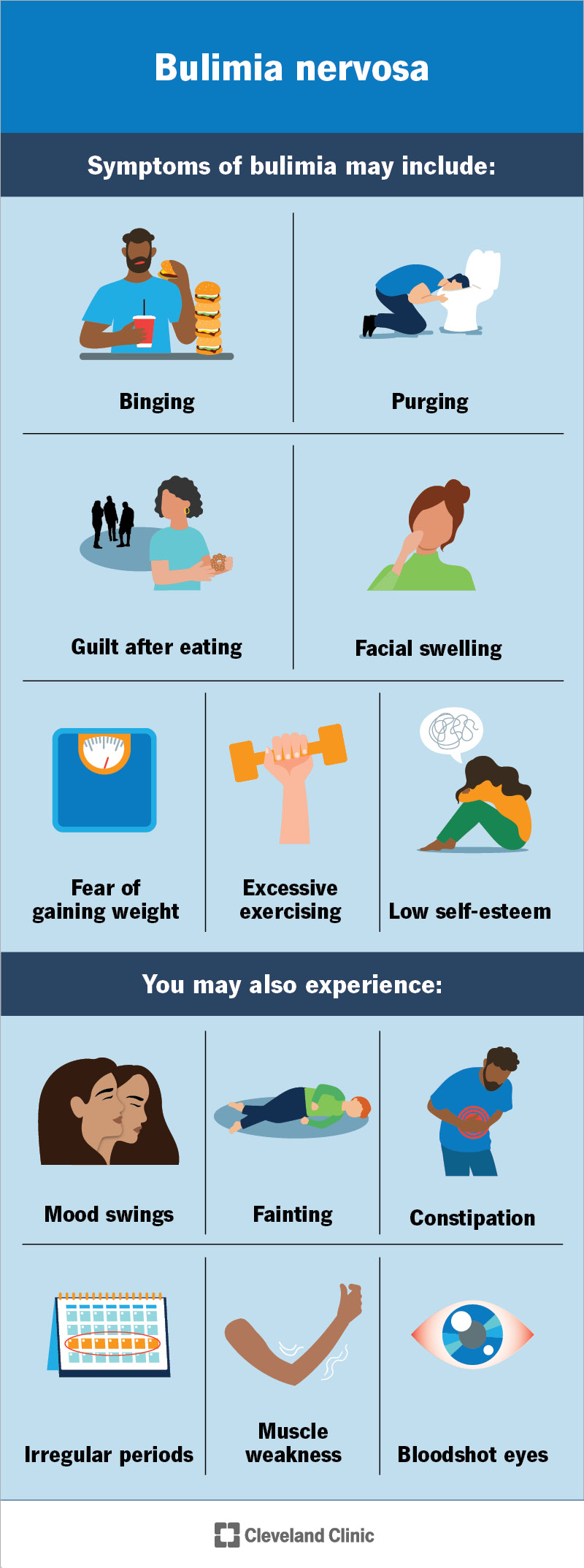
Binge eating episodes are a key characteristic of bulimia nervosa. During these episodes, individuals consume large amounts of food within a short period of time and feel a loss of control over their eating. Binge eating can be accompanied by feelings of shame, guilt, and distress.
3. Purging Behaviors
In an attempt to compensate for the calories consumed during binge eating episodes, individuals with bulimia commonly engage in purging behaviors. Purging refers to self-induced vomiting, misuse of laxatives or diuretics, or excessive exercise. These behaviors can have serious physical consequences, such as electrolyte imbalances and damage to the esophagus and teeth.
4. Excessive Exercise
Many individuals with bulimia nervosa engage in excessive exercise as a means of compensating for the calories consumed during binge eating episodes. They may feel compelled to engage in intense physical activity regardless of their energy levels or physical well-being.
5. Dental Problems
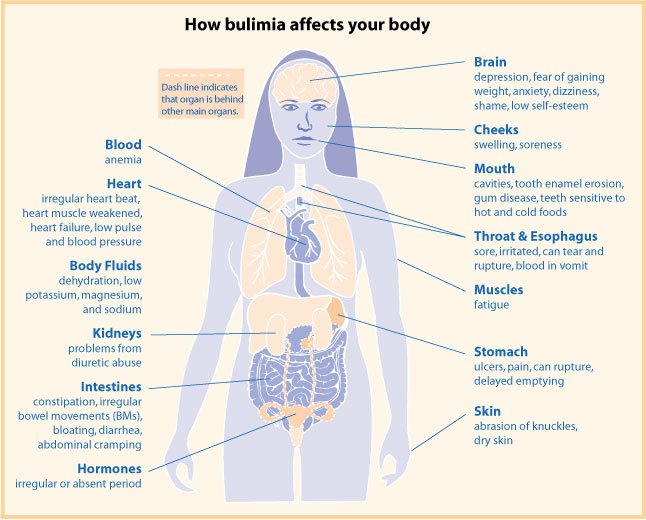
Frequent vomiting can have a detrimental impact on oral health. The stomach acid that is expelled during purging can erode tooth enamel, leading to dental problems such as tooth sensitivity, cavities, and gum disease. Dentists may notice signs of erosion or enamel damage during routine examinations.
6. Swollen Salivary Glands
Bulimia nervosa can cause the salivary glands to become swollen due to repeated vomiting or the overstimulation of saliva production during binge eating episodes. Swelling of the salivary glands, also known as parotid glands, can result in pain, swelling in the cheeks, and difficulty swallowing.
7. Dehydration and Electrolyte Imbalance
Purging behaviors, such as vomiting and the use of diuretics, can lead to dehydration and electrolyte imbalances. Electrolytes, such as sodium and potassium, are essential for maintaining proper bodily functions. When these electrolytes are imbalanced, it can lead to fatigue, weakness, dizziness, and in severe cases, heart problems.

8. Intestinal Issues
The misuse of laxatives or diuretics as a form of purging can have negative effects on the digestive system. Laxative abuse can result in chronic constipation, damage to the colon, and decreased bowel function. Individuals may also experience abdominal pain, bloating, and irregular bowel movements.
Behavioral and Emotional Signs
9. Frequent Visits to the Bathroom
Individuals with bulimia may frequently excuse themselves to go to the bathroom after meals, particularly when eating in social settings. This behavior is often a result of purging behaviors or using laxatives to eliminate food from the body.
10. Extreme Preoccupation with Body Image
A prominent sign of bulimia is an intense preoccupation with body image. Individuals may constantly compare their appearance to unrealistic standards and have distorted perceptions of their own weight and shape. This obsession can manifest in frequent weighing, body-checking behaviors, and excessive self-criticism.
11. Food Rituals and Restrictive Eating Patterns
Bulimia often involves a cycle of restrictive eating followed by binge eating. Individuals may develop strict rules or rituals surrounding food consumption, such as avoiding certain foods or food groups or adhering to rigid meal schedules. These patterns can be a sign of disordered eating and can contribute to the cycle of bingeing and purging.
12. Withdrawal from Social Activities or Hobbies
Due to feelings of shame, guilt, and a preoccupation with food and body image, individuals with bulimia may withdraw from social activities or hobbies they once enjoyed. They may feel uncomfortable eating in public or fear judgment from others, leading to isolation and a decrease in overall quality of life.
13. Mood Swings and Irritability
The physical and emotional toll of bulimia nervosa can lead to mood swings and increased irritability. Individuals may experience heightened emotions, ranging from anxiety and frustration to sadness and anger. These emotional fluctuations can be challenging to manage and may significantly impact daily functioning.
14. Low Self-Esteem and Negative Body Image
Bulimia often stems from low self-esteem and a distorted body image. Individuals with bulimia may have a persistent, negative perception of their physical appearance, regardless of their actual weight or shape. This negative body image can contribute to feelings of shame, self-hatred, and a desire to engage in compensatory behaviors.
Psychological Signs
15. Obsessive Thoughts about Food and Weight
Bulimia nervosa is accompanied by obsessive thoughts about food and weight. Individuals may spend a significant amount of time thinking about what they should or should not eat and constantly evaluate their body size and shape. This preoccupation with food and weight can consume their thoughts, making it difficult to focus on other aspects of life.
16. Fear of Weight Gain
A common fear among individuals with bulimia is the fear of weight gain. This fear drives their restrictive eating patterns and purging behaviors as a means to control their weight. The intense anxiety around weight gain can contribute to a vicious cycle of disordered eating and mental distress.
17. Perfectionism and Excessive Self-Criticism
Individuals with bulimia often exhibit traits of perfectionism and excessive self-criticism. They may set impossibly high standards for themselves, especially regarding their appearance and body weight. This perfectionistic mindset can reinforce the cycle of disordered eating and perpetuate feelings of inadequacy.
18. Feelings of Guilt and Shame
Feelings of guilt and shame are pervasive in individuals with bulimia nervosa. They may experience overwhelming guilt after binge eating episodes and feel deep shame about their inability to control their eating behaviors. These feelings can further fuel the cycle of bingeing and purging, creating a cycle that is difficult to break.
19. Anxiety and Depression
Bulimia nervosa is often comorbid with other mental health disorders, such as anxiety and depression. The constant preoccupation with food and weight, along with the physical toll of the disorder, can contribute to feelings of anxiety and sadness. It is important to address these underlying mental health concerns in addition to treating the eating disorder itself.
20. Impulsive and Risky Behavior
In some cases, individuals with bulimia may engage in impulsive and risky behaviors that are unrelated to food or weight. These behaviors can serve as a way to distract from the emotional pain or to seek a sense of control over their lives. Examples of such behaviors may include substance abuse, self-harm, or engaging in dangerous situations.
Conclusion
Recognizing the signs of bulimia nervosa is crucial in order to identify individuals who may be struggling with this serious eating disorder. By being aware of the physical, behavioral, emotional, and psychological signs, you can play a crucial role in supporting and guiding affected individuals towards professional help. Early intervention and treatment are essential in addressing bulimia and promoting long-term recovery and well-being. Remember, your support and understanding can make a significant difference in someone’s life as they navigate the challenges of bulimia nervosa.