Leukemia, a form of cancer that affects the blood and bone marrow, is a complex disease that impacts millions of people worldwide. In this article, we will explore the causes, symptoms, and treatment options for leukemia, providing you with valuable information to better understand this condition. From the various risk factors to the signs to look out for, as well as the available treatment methods, this comprehensive guide aims to equip you with the knowledge necessary to navigate through the world of leukemia. So, let’s dive in and unravel the intricacies of this disease, together.

Understanding Leukemia: Causes, Symptoms, and Treatment
Leukemia is a type of cancer that affects the blood and bone marrow. It is characterized by the abnormal production of white blood cells, which leads to a disruption of the body’s normal immune function. In this article, we will delve into the various aspects of leukemia, including its causes, symptoms, and treatment options.
1. What is Leukemia?
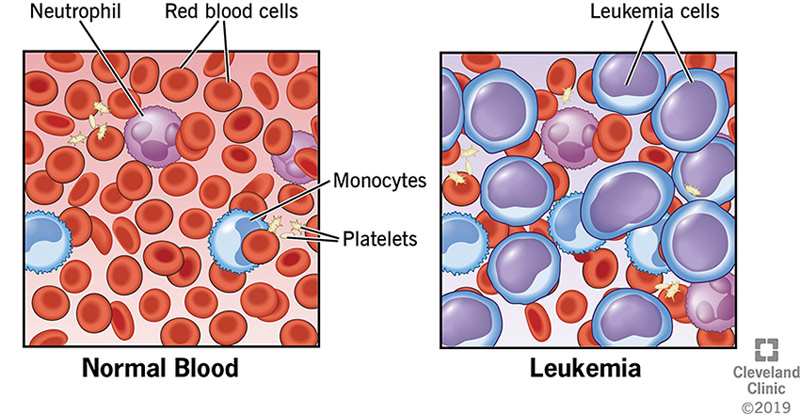
Leukemia is a cancer of the blood and bone marrow, where the body produces abnormal white blood cells. These abnormal cells, known as leukemia cells, do not function properly, leading to an impaired immune system. As a result, individuals with leukemia may experience a range of symptoms and require medical intervention to manage the disease.

2. Types of Leukemia
There are several types of leukemia, classified based on the type of white blood cell affected and its progression. The four main types of leukemia include:
2.1 Acute Lymphoblastic Leukemia (ALL)
Acute Lymphoblastic Leukemia (ALL) primarily affects children and occurs due to the rapid accumulation of immature white blood cells in the bone marrow. Symptoms of ALL may include fatigue, pale skin, weakness, frequent infections, and swollen lymph nodes.
2.2 Acute Myeloid Leukemia (AML)
Acute Myeloid Leukemia (AML) affects both children and adults. It is characterized by abnormal growth of myeloid cells, the type of white blood cells responsible for fighting infections. Symptoms of AML may include fatigue, shortness of breath, easy bruising, and recurrent infections.
2.3 Chronic Lymphocytic Leukemia (CLL)
Chronic Lymphocytic Leukemia (CLL) primarily affects adults and occurs due to the excessive production of abnormal lymphocytes, a type of white blood cell. CLL often progresses slowly, and individuals may not exhibit any symptoms initially. However, as the disease progresses, symptoms such as enlarged lymph nodes, fatigue, and recurrent infections may manifest.
2.4 Chronic Myeloid Leukemia (CML)
Chronic Myeloid Leukemia (CML) most commonly affects adults and is characterized by the overproduction of mature myeloid cells. CML typically progresses slowly through three phases: chronic phase, accelerated phase, and blast phase. Symptoms of CML may include fatigue, abdominal discomfort, and unexplained weight loss.
3. Causes of Leukemia
The exact causes of leukemia are not yet fully understood. However, several factors have been identified that may contribute to the development of the disease:
3.1 Genetic Factors
Genetic factors play a significant role in the development of leukemia. Certain gene mutations, such as the Philadelphia chromosome, have been linked to the development of chronic myelogenous leukemia (CML). Inherited genetic conditions, such as Down syndrome and Fanconi anemia, also increase the risk of developing leukemia.
3.2 Environmental Factors
Environmental factors, including exposure to certain chemicals and toxins, may increase the risk of developing leukemia. Prolonged exposure to benzene, a chemical found in various industries, has been associated with an increased risk of developing certain types of leukemia. Other environmental factors, such as smoking and exposure to certain pesticides, may also contribute to the development of leukemia.
3.3 Radiations and Exposure to Chemicals
Exposure to high levels of radiation, such as those experienced during radiation therapy or nuclear accidents, can increase the risk of developing leukemia. Additionally, exposure to certain chemicals, such as chemotherapy drugs or industrial chemicals, has been linked to an increased risk of leukemia.

4. Risk Factors
Several risk factors have been identified that may increase an individual’s chances of developing leukemia. These include:
4.1 Age
Leukemia can occur at any age, but certain types of leukemia are more common in specific age groups. Acute lymphoblastic leukemia (ALL) is more prevalent in children, while chronic lymphocytic leukemia (CLL) is more common in older adults.
4.2 Family History
Having a close relative, such as a sibling or parent, with leukemia increases the risk of developing the disease. Genetic factors passed down through generations can contribute to the development of leukemia.
4.3 Genetic Disorders
Inherited genetic disorders such as Down syndrome and Fanconi anemia are associated with an increased risk of developing leukemia. These conditions impact the body’s ability to produce normal blood cells, increasing the likelihood of leukemia.
4.4 Exposure to Radiation or Chemicals
Exposure to high levels of radiation, either through radiation therapy or accidental exposure, can increase the risk of developing leukemia. Additionally, exposure to certain chemicals, such as benzene and certain chemotherapy drugs, may also increase the risk.
5. Symptoms of Leukemia
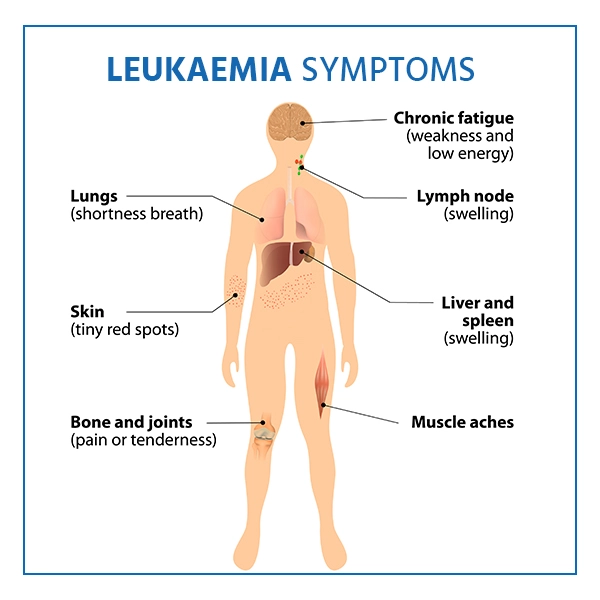
The symptoms of leukemia can vary depending on the type and stage of the disease. Some common symptoms include:
5.1 Fatigue and Weakness
Many individuals with leukemia experience fatigue and weakness, which can be attributed to the body’s inability to produce healthy red blood cells, leading to anemia.
5.2 Frequent Infections
Leukemia compromises the body’s immune system, making individuals more susceptible to infections. Frequent bouts of infection, such as respiratory infections or urinary tract infections, may occur.
5.3 Easy Bruising and Bleeding
Leukemia affects the body’s ability to produce normal platelets, which help with blood clotting. As a result, individuals may experience easy bruising or bleeding, even from minor injuries.
5.4 Bone and Joint Pain
The abnormal accumulation of leukemia cells in the bone marrow may cause bone and joint pain. This pain is often persistent and may worsen over time.
5.5 Enlarged Lymph Nodes and Spleen
In certain types of leukemia, such as CLL, the lymph nodes and spleen may become enlarged. This can result in discomfort, especially in the abdominal region.
5.6 Weight Loss
Unintended weight loss is a common symptom of leukemia, as the disease affects the body’s metabolism and nutrient absorption.
5.7 Night Sweats
Excessive sweating during the night, also known as night sweats, can be a symptom of certain types of leukemia. Individuals may experience drenching sweats that disrupt their sleep.
6. Diagnosis
To diagnose leukemia, several tests and examinations may be performed by healthcare professionals. These include:
6.1 Physical Examination
During a physical examination, a healthcare provider may look for signs of anemia, enlarged lymph nodes, or an enlarged spleen. These findings can help indicate the presence of leukemia.
6.2 Blood Tests
Blood tests are crucial in diagnosing leukemia. They can provide information on the type and number of abnormal cells present, as well as assess the individual’s overall blood count.
6.3 Bone Marrow Biopsy
A bone marrow biopsy involves the extraction of a small sample of bone marrow from the hipbone or other large bones. This sample is then examined under a microscope to check for the presence of leukemia cells.
6.4 Cytogenetic Analysis
Cytogenetic analysis refers to the examination of the chromosomes within leukemia cells. This analysis helps identify specific chromosomal abnormalities that can aid in diagnosing and determining the best treatment approach.
6.5 Imaging Tests
In some cases, imaging tests, such as X-rays, CT scans, or MRIs, may be conducted to assess the extent of the disease and determine if leukemia cells have spread to other parts of the body.
7. Staging of Leukemia
Staging is an essential aspect of leukemia diagnosis as it helps determine the severity and progression of the disease. Several staging systems exist for different types of leukemia. Here are some common staging classifications:
7.1 Abbreviated Remission Status (ARS)
This stage indicates that the disease is in remission, which means that the leukemia cells are less active and not causing any symptoms.
7.2 Complete Remission (CR)
Complete remission signifies that no leukemia cells are detected in the bone marrow or blood, and the individual is free of symptoms.
7.3 Partial Remission (PR)
Partial remission refers to a significant reduction in the leukemia cells, but some abnormal cells may still be present. Symptoms may be improved but not completely resolved.
7.4 Relapse
Relapse occurs when the leukemia cells reappear after a period of remission. It indicates a recurrence of the disease and may require modified treatment approaches.
8. Treatment Options
Leukemia treatment varies based on the type, stage, and characteristics of the disease. The following treatment options are commonly employed:
8.1 Chemotherapy
Chemotherapy involves the use of powerful drugs to kill or control leukemia cells. It is often the primary treatment option and can be administered orally or intravenously.
8.2 Radiation Therapy
Radiation therapy utilizes high-energy beams of radiation to target and destroy leukemia cells. It is usually employed to treat leukemia in specific areas, such as the brain or spleen.
8.3 Stem Cell Transplantation
Stem cell transplantation involves replacing damaged bone marrow with healthy stem cells to restore normal blood cell production. It is commonly used in more aggressive types of leukemia.
8.4 Targeted Therapy
Targeted therapy uses drugs that specifically target leukemia cells’ molecular and genetic abnormalities. This personalized treatment approach aims to inhibit the growth and spread of leukemia cells.
8.5 Immunotherapy
Immunotherapy harnesses the body’s immune system to fight against leukemia cells. It involves the use of medications that enhance the immune response, making it more effective at eliminating leukemia cells.
10. Prognosis and Survival Rates
The prognosis for individuals with leukemia varies depending on several factors, including the type of leukemia, the stage at diagnosis, and the individual’s overall health. Here are some prognostic factors that can influence survival rates:
10.1 Five-Year Survival Rates
The five-year survival rate represents the percentage of individuals who are still alive five years after diagnosis. It differs for each type and stage of leukemia. Overall survival rates have improved over the years due to advancements in treatment options.
10.2 Factors Influencing Prognosis
Several factors can influence the prognosis of leukemia, including age, overall health, response to treatment, and the presence of specific genetic mutations. Younger individuals with fewer complications and favorable genetic profiles often have a better prognosis.
In conclusion, leukemia is a complex and diverse group of cancers that warrant a comprehensive understanding of its causes, symptoms, and treatment options. Through early detection, accurate diagnosis, and appropriate treatment, individuals with leukemia can experience improved outcomes and quality of life. If you or someone you know is experiencing symptoms that may suggest leukemia, it is crucial to seek medical attention for timely evaluation and management. Remember, knowledge is power when it comes to combating leukemia.