
Are you curious about acoustic neuroma? Perhaps you’ve heard some things about it that have left you feeling a bit confused or worried. Well, worry no more! In this article, we are here to clear up those misconceptions and provide you with all the essential information you need to know about acoustic neuroma. From its symptoms to its treatment options, we’ve got you covered. So, let’s get started and debunk those common misconceptions once and for all!
Acoustic Neuroma: Common Misconceptions Debunked
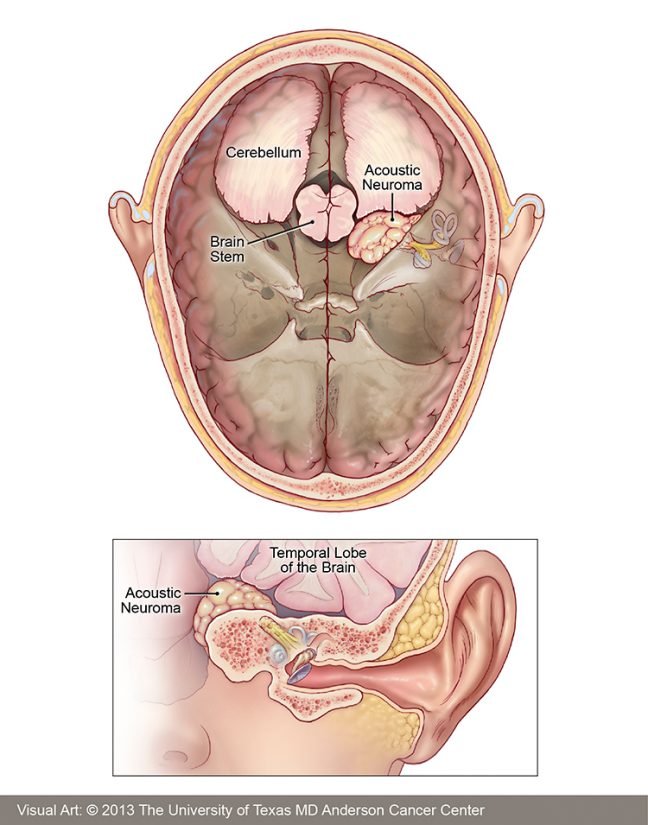
Understanding Acoustic Neuroma
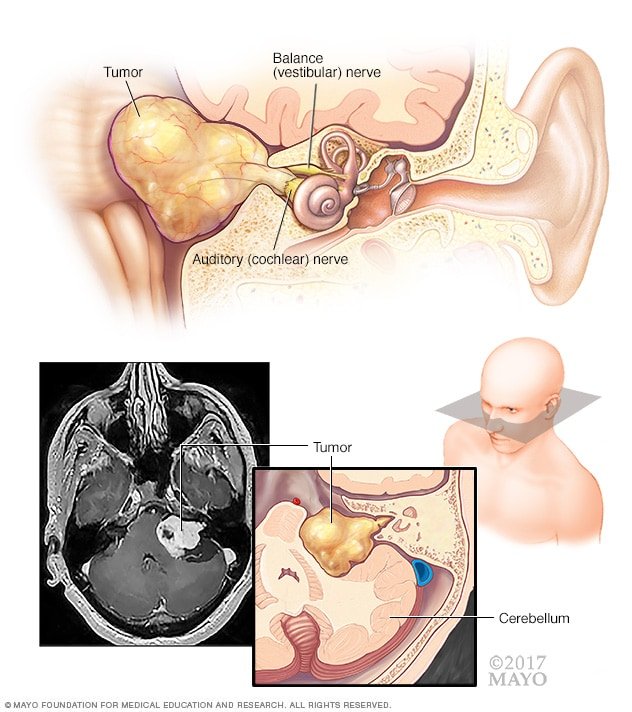
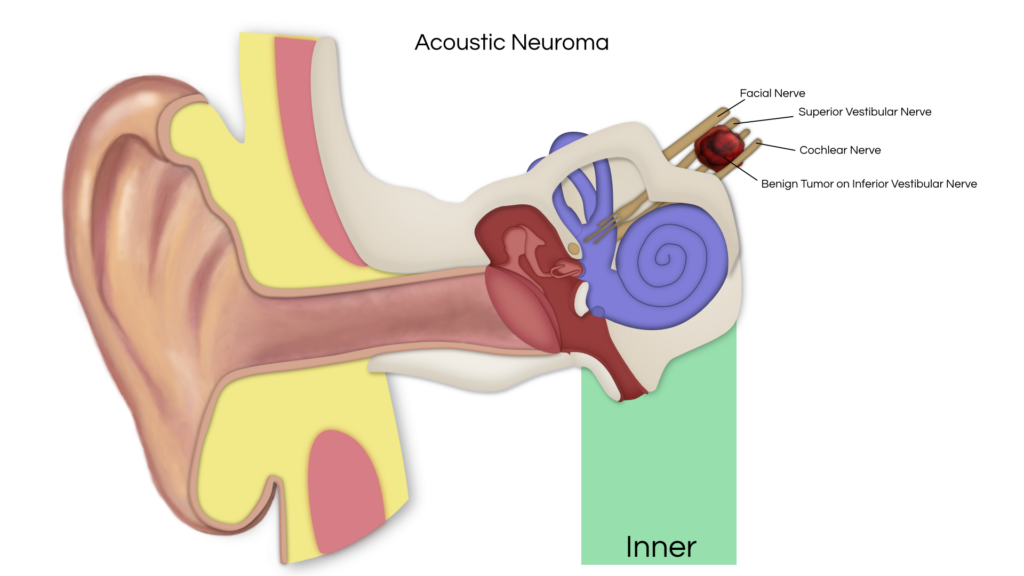
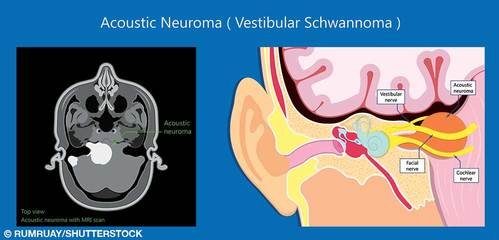
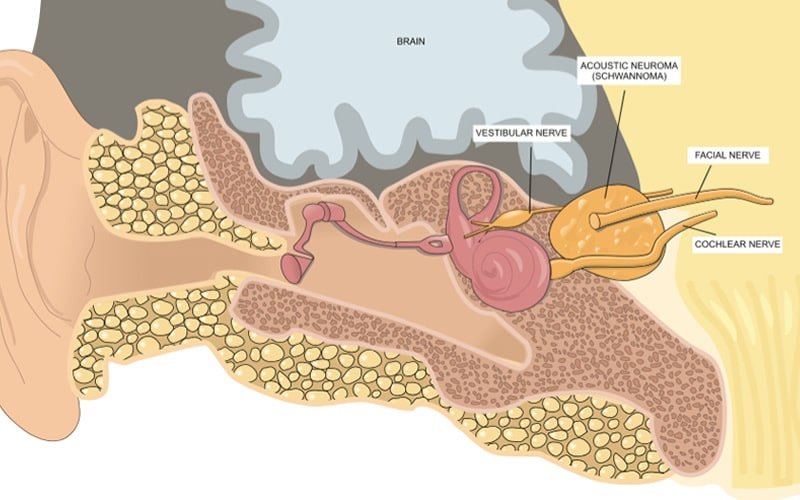
Acoustic neuroma, also known as vestibular schwannoma, is a non-cancerous tumor that develops on the eighth cranial nerve, which is responsible for transmitting sound and sending balance signals from the inner ear to the brain. While it is a tumor, it is important to note that acoustic neuroma is not a form of cancer.
Myth 1: Acoustic Neuroma Is a Type of Cancer
One common misconception about acoustic neuroma is that it is a type of cancer. However, this is not true. Unlike cancerous tumors, acoustic neuromas do not invade nearby tissues or spread to other parts of the body. They are slow-growing and usually benign, meaning they do not pose a significant risk to life.
Myth 2: Acoustic Neuroma Always Causes Hearing Loss
Another misconception is that all individuals with acoustic neuroma will experience hearing loss. While it is true that acoustic neuroma can cause hearing loss, it is not always the case. The severity of the hearing loss depends on the size and location of the tumor. In some cases, the tumor may not affect hearing at all. It is essential to understand that each person’s experience with acoustic neuroma may vary.
Myth 3: Acoustic Neuroma Is a Life-Threatening Condition
Acoustic neuroma is often considered a frightening and life-threatening condition; however, this perception is not entirely accurate. While the symptoms and effects of acoustic neuroma can be disruptive to daily life, most cases can be managed effectively with appropriate treatment and medical care. With early detection and proper management, the prognosis for acoustic neuroma is generally favorable.
Myth 4: Acoustic Neuroma Can Be Prevented
Unfortunately, there is no known way to prevent the development of acoustic neuroma. The exact cause of this condition is still unknown, although some studies suggest a link to inherited genetic mutations. It is important to focus on early detection, prompt medical intervention, and regular monitoring if you have a family history of acoustic neuroma or other risk factors.
Myth 5: Acoustic Neuroma Is Contagious
Acoustic neuroma is not contagious. It cannot be transmitted from person to person through any means, including physical contact, respiratory droplets, or sharing personal items. Acoustic neuroma is a result of internal factors within the body and is not influenced by external sources or interactions.
Myth 6: Acoustic Neuroma Is Only Found in Adults
Although acoustic neuroma is more commonly diagnosed in adults, it is not exclusive to this age group. It can occur in individuals of any age, including children and teenagers. However, the incidence of acoustic neuroma does increase with age, and most cases are diagnosed in individuals between the ages of 30 and 60.
Myth 7: Surgery Is the Only Treatment Option for Acoustic Neuroma
While surgery is often considered the primary treatment option for acoustic neuroma, it is not the only option available. The appropriate treatment approach depends on various factors, such as the size and location of the tumor, the overall health of the patient, and individual preferences. Other treatment options may include radiation therapy, observation (monitoring the tumor without immediate intervention), or a combination of different approaches.
Myth 8: All Acoustic Neuromas Grow Rapidly
Contrary to popular belief, not all acoustic neuromas grow rapidly. In fact, some may remain stable or grow very slowly over an extended period. The growth rate and behavior of an acoustic neuroma can vary from person to person. Regular monitoring through imaging and clinical evaluations is essential to determine the growth pattern of the tumor and ensure appropriate treatment if necessary.
Myth 9: Acoustic Neuroma Is Caused by Cell Phone Use
There is no scientific evidence to suggest that cell phone use causes acoustic neuroma. The idea that cell phone radiation can lead to the development of tumors has been extensively studied, and to date, no conclusive link has been found. Acoustic neuroma is a complex condition with multifactorial causes, and it is essential to rely on evidence-based research when discussing potential risk factors.
Myth 10: Hearing Aids Can’t Help with Acoustic Neuroma-Related Hearing Loss
While acoustic neuroma can sometimes result in hearing loss, it does not mean that hearing aids are ineffective in managing the condition. Hearing aids can be an essential tool in improving communication and quality of life for individuals with acoustic neuroma-related hearing loss. These devices are designed to amplify sound, allowing individuals to better understand speech and participate in conversations. Consulting with an audiologist can help determine the most suitable hearing aid options for each individual’s specific needs.
Understanding the truth behind common misconceptions is crucial when it comes to acoustic neuroma. It is essential to debunk these myths and provide accurate information to ensure individuals are well-informed about this condition. Acoustic neuroma, although a tumor, is not cancerous, is not always associated with hearing loss, and is typically manageable with various treatment options. By dispelling these misconceptions, we can promote a better understanding of acoustic neuroma and support individuals in making informed decisions about their health.
Watch This Video Below
Related Terms About Acoustic Neuroma: Common Misconceptions Debunked
Acoustic Neuroma, Acoustic Neuroma Affects Which Cranial Nerve, Acoustic Neuroma After Surgery, Acoustic Neuroma Age, Acoustic Neuroma And Headaches, Acoustic Neuroma Arises From, Acoustic Neuroma Association, Acoustic Neuroma Association Of Canada, Acoustic Neuroma Audiogram, Acoustic Neuroma Australia