
Are you tired of the endless cycle of bingeing and purging? “Breaking the Cycle: Overcoming Bulimia Nervosa” is an article that offers hope and support for those struggling with this eating disorder. From understanding the root causes to implementing practical strategies to break free from its grip, this article provides valuable insights and guidance on the journey towards recovery. Say goodbye to the harmful patterns and hello to a healthier, happier you.
Understanding Bulimia Nervosa
What is Bulimia Nervosa?
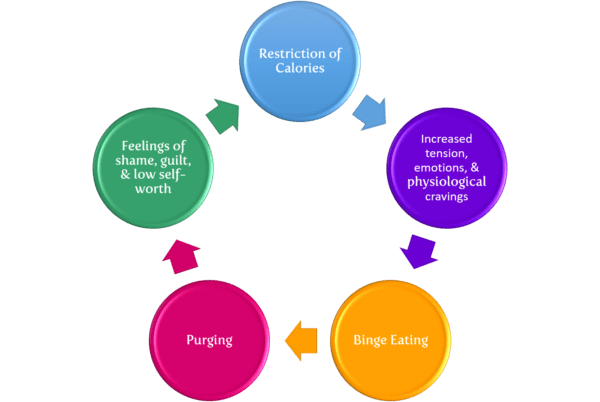
Bulimia Nervosa, commonly referred to as bulimia, is an eating disorder characterized by recurring episodes of binge eating followed by compensatory behaviors such as self-induced vomiting, excessive exercise, or the misuse of laxatives or diuretics. People with bulimia often have a distorted perception of their body size and shape, which leads to an intense fear of gaining weight. These individuals often feel out of control during binge episodes and use purging methods to alleviate their guilt and maintain a sense of control.
Causes of Bulimia Nervosa
The causes of bulimia nervosa are complex and can vary from person to person. It is believed that a combination of genetic, psychological, and environmental factors contribute to the development of this eating disorder. Some common factors include low self-esteem, body dissatisfaction, societal pressure to attain an ideal body shape, and a history of trauma or abuse. Furthermore, certain personality traits, such as perfectionism and impulsivity, may also increase the risk of developing bulimia.
Signs and Symptoms of Bulimia Nervosa
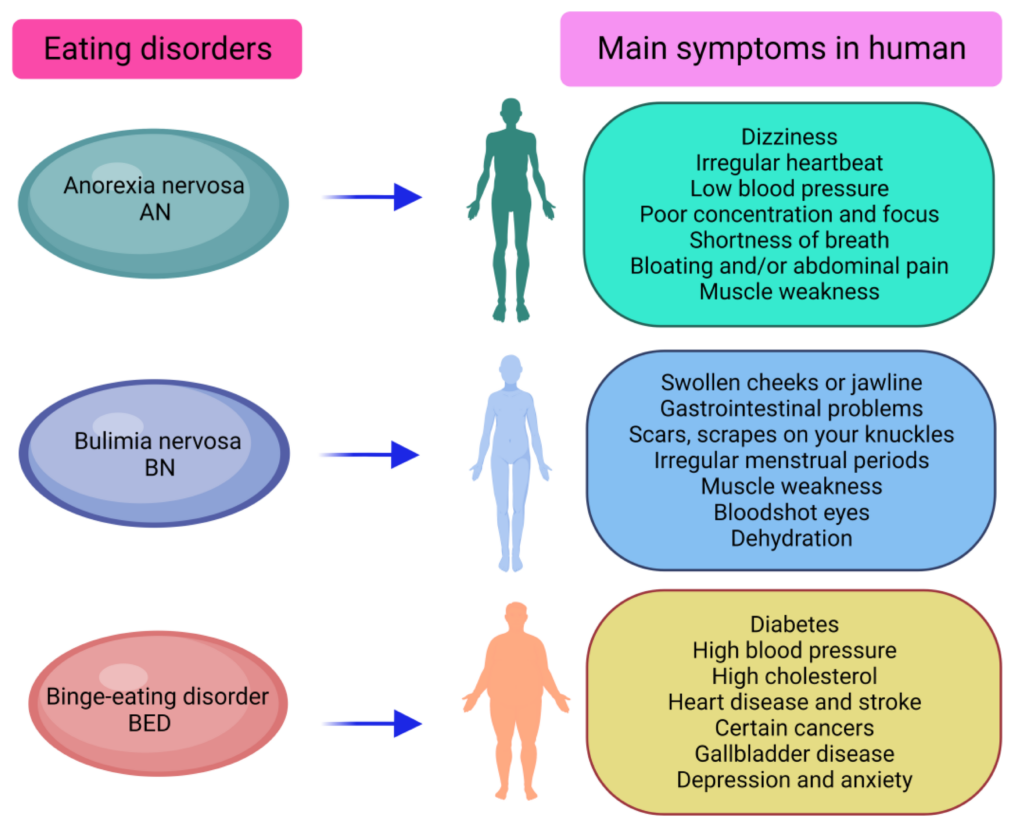
Identifying the signs and symptoms of bulimia nervosa is crucial in order to support individuals who may be struggling with this disorder. Some common signs include recurrent episodes of overeating, feeling a lack of control during eating, frequent bathroom visits after meals, using laxatives or diuretics, excessive exercise, binge eating followed by guilt and shame, and an obsession with body shape and weight. It is important to understand that individuals with bulimia may try to hide their behaviors, making it difficult to detect the disorder. Therefore, it is necessary to be attentive to any sudden changes in eating patterns and behavior.
Seeking Professional Help
Importance of Professional Support
Seeking professional help is essential for individuals with bulimia nervosa. A qualified healthcare professional, such as a therapist or counselor, can provide the guidance and support necessary for recovery. They can help individuals develop coping strategies, challenge distorted thoughts, and work towards developing a healthier relationship with food and their body. Professional support also plays a significant role in addressing the underlying psychological and emotional factors contributing to the disorder.
Finding a Therapist or Counselor
Finding the right therapist or counselor is an important step in the recovery process. It is crucial to seek professionals who specialize in eating disorders or have experience in treating bulimia nervosa. Look for therapists who use evidence-based therapies, such as Cognitive Behavioral Therapy (CBT), which has been proven effective in the treatment of bulimia. Ask for recommendations from trusted sources, such as primary care physicians or support groups, and make sure to schedule an initial consultation before committing to long-term treatment.
Support Groups and Peer Counseling
Apart from professional help, support from others who have experienced or are experiencing similar struggles can be immensely beneficial. Support groups and peer counseling programs provide a safe space for individuals to share their experiences, challenges, and triumphs. These groups offer a sense of belonging and understanding, which can help combat feelings of isolation. Connecting with others who have overcome or are overcoming bulimia can provide a source of inspiration, encouragement, and practical advice.
Developing a Support System
Educating Friends and Family
When dealing with bulimia nervosa, it is important to have a supportive network of friends and family. Educating them about the disorder is crucial in helping them understand the challenges and complexities involved. Provide information on the signs, symptoms, and treatment options for bulimia nervosa, so they can better comprehend what you are going through. Encourage open and non-judgmental communication, as it fosters a safe environment for sharing emotions and seeking support.
Building a Supportive Network
Creating a supportive network involves surrounding yourself with individuals who are understanding, empathetic, and non-judgmental. It may be helpful to connect with others who have similar experiences or have successfully recovered from bulimia nervosa. Additionally, consider participating in activities or hobbies that align with your interests and values, as this can help you meet like-minded individuals who can support you on your journey to recovery.
Open Communication Channels
Maintaining open communication channels within your support system is vital for your recovery. It is important to express your feelings, concerns, and successes with your loved ones, therapist, or support group. Sharing your experiences not only promotes a deeper understanding of your journey but also allows others to provide the necessary support and encouragement. Encouraging your support system to communicate openly and honestly with you can help foster trust and strengthen your relationships.
Cognitive Behavioral Therapy (CBT)
Understanding CBT
Cognitive Behavioral Therapy (CBT) is a widely recognized and effective treatment approach for bulimia nervosa. CBT focuses on identifying and modifying the thoughts, emotions, and behaviors that contribute to the disorder. During CBT sessions, individuals will work with a therapist to challenge distorted thoughts related to body image, self-worth, and eating habits. CBT also equips individuals with practical coping strategies and problem-solving skills to deal with triggers and prevent relapse.
Coping Strategies
Developing healthy coping strategies is an essential component of CBT. Through therapy, individuals learn alternative ways to manage emotions and stress, reducing the reliance on purging behaviors. These coping strategies may include deep breathing exercises, mindfulness techniques, journaling, engaging in hobbies, or seeking social support. It is important to practice these coping skills regularly to reinforce healthier patterns of behavior.
Identifying and Challenging Negative Thoughts
Negative thoughts and beliefs play a significant role in the development and maintenance of bulimia nervosa. CBT aims to identify these negative thoughts, such as body dissatisfaction and fear of gaining weight, and challenge their validity. Through therapy, individuals learn to replace negative thoughts with more realistic and positive ones. This process helps individuals develop a healthier self-perception and improve their overall well-being.

Dietary Changes and Meal Planning
Working with a Registered Dietitian
A crucial aspect of overcoming bulimia nervosa is establishing a healthy relationship with food. Working with a registered dietitian can provide valuable guidance in creating a structured and balanced eating plan. A dietitian can help individuals identify triggers and develop strategies to manage them, develop a meal plan that accommodates personal preferences and dietary needs, and provide education on proper nutrition.
Establishing Regular Eating Habits
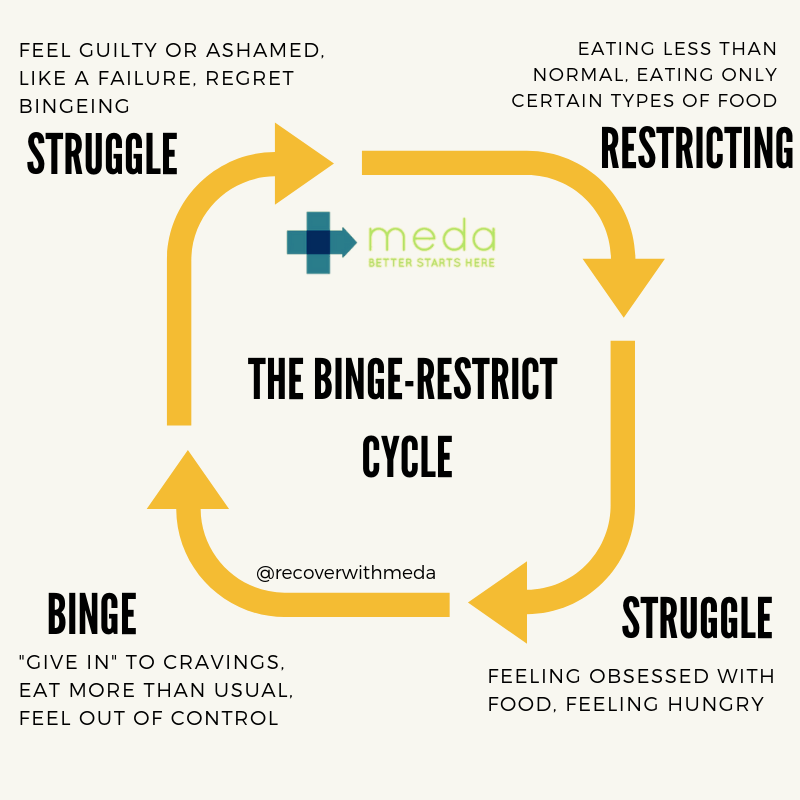
Establishing regular eating habits is a vital step towards recovery. Binge eating episodes are often triggered by extreme hunger resulting from restrictive eating patterns. Therefore, it is important to eat at regular intervals throughout the day. Aim for three meals and two to three snacks, ensuring a variety of foods from different food groups. Regular, balanced meals help regulate blood sugar levels, prevent extreme hunger, and reduce the likelihood of bingeing.
Creating Balanced Meal Plans
Creating balanced meal plans can help individuals with bulimia nervosa achieve a healthier relationship with food. A balanced meal should include a variety of foods from different food groups, such as lean proteins, whole grains, fruits, vegetables, and healthy fats. Consult with a registered dietitian to create a personalized meal plan that meets your nutritional needs and promotes a sustainable approach to eating. Implementing such meal plans gradually can help individuals cultivate a healthier relationship with food and reduce the frequency of binge eating episodes.
Body Image and Self-Esteem
Exploring Body Positivity
Improving body image and self-esteem is an important aspect of bulimia nervosa recovery. Exploring body positivity involves shifting the focus from appearance to overall well-being and self-acceptance. Engage in activities that promote self-love and appreciation, such as practicing positive affirmations, celebrating non-physical achievements, and surrounding yourself with body-positive messages. Cultivating a positive body image can contribute to a healthier mindset and overall well-being.
Practicing Self-Compassion
Practicing self-compassion is critical in overcoming bulimia nervosa. Self-criticism and harsh judgments only serve to reinforce negative thoughts and behaviors. Practice treating yourself with kindness and understanding, acknowledging that recovery is a journey filled with ups and downs. When setbacks occur, approach them with self-compassion and learn from the experience, allowing yourself to grow stronger in the process.
Engaging in Self-Care Activities
Engaging in self-care activities is an effective way to improve body image and self-esteem. Self-care involves prioritizing activities that promote relaxation, joy, and self-nurturing. Engage in activities that bring you happiness and help you unwind, such as taking baths, practicing mindfulness or meditation, reading, spending time in nature, or pursuing creative hobbies. Engaging in self-care activities boosts self-esteem, reduces stress, and fosters a positive mindset.
Addressing Emotional Triggers
Identifying Emotional Triggers
Emotional triggers are situations, events, or emotions that may lead to episodes of binge eating or purging. It is crucial to identify and understand these triggers in order to develop effective coping strategies. Common emotional triggers may include stress, anxiety, sadness, loneliness, or feelings of inadequacy. Keeping a journal to record emotions and behaviors surrounding episodes can help identify patterns and pinpoint specific triggers.
Developing Emotional Coping Skills
Developing emotional coping skills is an integral part of bulimia nervosa recovery. Instead of resorting to harmful behaviors, individuals can learn healthier ways to cope with emotions. Some effective coping skills include deep breathing exercises, journaling, engaging in physical activity, seeking support from loved ones or a therapist, practicing mindfulness or meditation, and engaging in relaxation techniques. It may take time and practice to find coping strategies that work best for you, but investing in emotional coping skills is crucial for long-term recovery.
Alternative Coping Mechanism
An alternative coping mechanism to binge eating or purging is essential for breaking the cycle of bulimia nervosa. Finding healthier ways to manage emotions and stress can help redirect the impulse to engage in harmful behaviors. Engage in activities that bring you joy and relaxation, such as painting, playing an instrument, dancing, gardening, or cooking. By finding healthier alternatives to cope with emotions, individuals can gradually reduce the reliance on harmful behaviors and build a healthier relationship with themselves and food.
Breaking the Purging Cycle
Recognizing the Cycle of Purging
Breaking the purging cycle is a crucial step in recovering from bulimia nervosa. Recognizing the pattern of binge eating, guilt, and subsequent purging is essential for intervention. It is important to become aware of the emotions and thoughts that trigger the cycle and identify the specific behaviors associated with purging. By recognizing and understanding the cycle, individuals can begin to interrupt it and develop healthier coping mechanisms.
Creating Healthy Coping Mechanisms
Creating healthy coping mechanisms is essential to break the cycle of purging. Engage in alternative activities that provide emotional release and satisfaction without the negative consequences of purging. Activities may include practicing yoga or meditation, going for a walk or run, engaging in creative pursuits, or talking to a supportive friend or family member. Experiment with different coping mechanisms to find what works best for you in replacing the damaging purging behaviors.
Alternative Stress Relief Techniques
Stress relief techniques are effective tools to break the cycle of bulimia nervosa. Engaging in activities that reduce stress can redirect the impulse to engage in purging behaviors. Some alternative stress relief techniques include deep breathing exercises, progressive muscle relaxation, listening to calming music, taking a bath, engaging in hobbies, and spending time in nature. Finding healthy ways to manage stress not only promotes recovery from bulimia but also improves overall mental and physical well-being.
Long-Term Recovery Strategies
Maintaining a Supportive Environment
Maintaining a supportive environment is crucial for long-term recovery from bulimia nervosa. Nurture relationships with individuals who understand and support your recovery journey. Surround yourself with positive influences and avoid individuals or situations that may trigger negative thoughts or behaviors. Regularly engage in support groups, therapy sessions, or counseling to sustain your progress and receive ongoing guidance.
Setting Realistic Goals
Setting realistic goals is vital for long-term recovery. Recovery from bulimia nervosa is a gradual process, and expecting immediate perfection is unreasonable and discouraging. Set achievable goals that align with your personal capabilities and pace. Celebrate small victories along the way to reinforce positive changes and stay motivated. By setting realistic goals, you can sustain progress and continue moving forward in your recovery journey.
Managing Relapse
Relapse is a common occurrence in the recovery process. Managing and navigating relapse is a crucial aspect of long-term recovery. Understand that setbacks do not mean failure; they are learning opportunities that provide insight into areas that may need additional attention and support. If relapse occurs, seek professional help, engage with your support system, and reflect on the factors that contributed to the setback. With appropriate guidance and emotional support, relapse can be a temporary setback on the path to recovery.
Improving Body Awareness and Mindfulness
Practicing Mindful Eating
Practicing mindful eating is an effective tool to improve body awareness and overcome bulimia nervosa. Mindful eating involves paying attention to hunger and fullness cues, savoring each bite, and observing the sensory experience of eating without judgment. Slow down your eating pace, chew each bite thoroughly, and savor the flavors, textures, and satisfaction that food provides. By practicing mindful eating, you become more attuned to your body’s needs and develop a healthier relationship with food.
Engaging in Movement for Enjoyment
Engaging in movement for enjoyment, rather than solely for calorie burning, can contribute to improved body awareness and self-esteem. Find physical activities that you genuinely enjoy and engage in them regularly. This might include walking, dancing, swimming, or practicing yoga. Focus on the joy and sense of accomplishment that movement brings, rather than fixating on calories burned or weight loss. By engaging in movement for enjoyment, you develop a positive relationship with your body and foster overall well-being.
Using Mindfulness Techniques
Using mindfulness techniques can enhance body awareness and promote recovery from bulimia nervosa. Engage in mindfulness practices such as meditation, deep breathing exercises, or body scans to connect with and understand your body’s sensations and needs. Mindfulness allows you to observe thoughts and emotions without judgment, promoting self-awareness and self-compassion. By incorporating mindfulness techniques into your daily routine, you can improve body awareness, reduce impulsivity, and foster a positive and nurturing relationship with yourself.
In conclusion, overcoming bulimia nervosa requires a comprehensive approach that includes seeking professional help, developing a support system, addressing emotional triggers, and implementing long-term recovery strategies. By understanding the nature of bulimia, seeking professional support, building a strong support network, and adopting healthy coping mechanisms, individuals can break the cycle of bulimia and begin the journey towards recovery. With time, perseverance, and commitment to self-care, individuals struggling with bulimia nervosa can achieve long-term healing, improved body image, and enhanced overall well-being.