
In this comprehensive guide, you will explore the various types of cancer that affect people worldwide. From breast cancer to lung cancer, we will delve into the unique characteristics of each form, highlighting the symptoms, risk factors, and available treatment options. Whether you’re seeking information for yourself or a loved one, this article will provide a valuable overview of the different types of cancer and empower you with knowledge to navigate this challenging journey.

1. Carcinomas
Carcinomas are one of the most common types of cancer that develop from epithelial cells, which are the cells that line the organs and tissues in your body. There are several subtypes of carcinomas, each with its own distinct features and behaviors. Understanding these subtypes can help you better comprehend the nature of your specific cancer and the available treatment options.
1.1. Adenocarcinoma
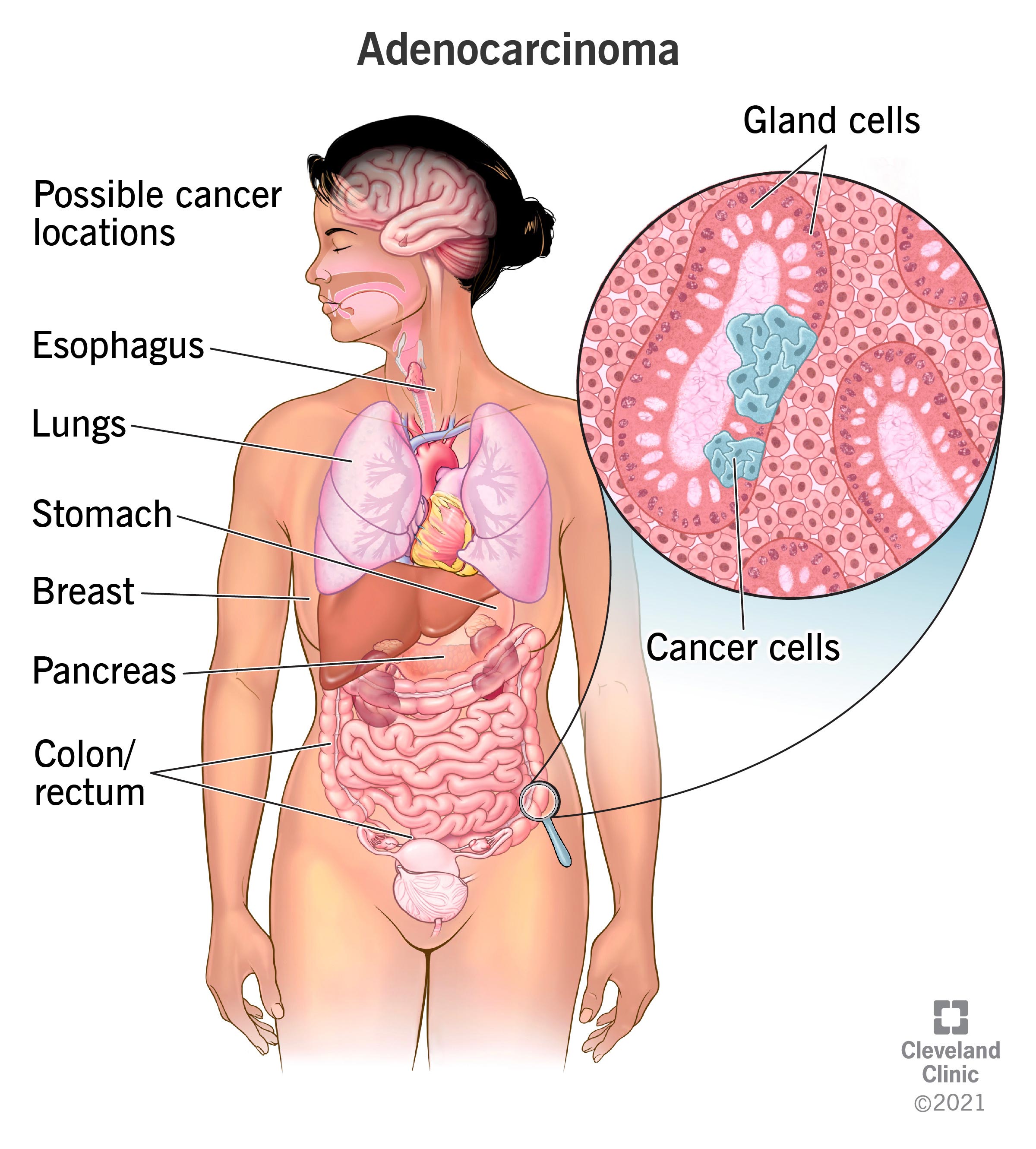
Adenocarcinoma is a type of carcinoma that originates from glandular tissues. It can occur in various organs such as the breast, lung, colon, pancreas, and prostate. Adenocarcinomas typically develop slowly and may not cause noticeable symptoms in the early stages. However, they have the potential to spread to nearby tissues and organs if left untreated.
1.2. Squamous cell carcinoma
Squamous cell carcinoma is another common type of carcinoma that occurs in the flat cells that make up the skin’s outermost layer and the lining of some organs. It usually develops in areas exposed to the sun, such as the head, neck, and hands. Squamous cell carcinoma can appear as red, scaly patches or open sores and has the potential to grow and spread if not detected and treated early.
1.3. Transitional cell carcinoma
Transitional cell carcinoma, also known as urothelial carcinoma, primarily affects the urinary system. It commonly occurs in the bladder, but it can also develop in the lining of the kidneys, ureters, and urethra. This type of carcinoma is often associated with risk factors like smoking, exposure to certain chemicals, and chronic bladder infections. Symptoms may include blood in the urine, frequent urination, and pelvic pain.
1.4. Basal cell carcinoma
Basal cell carcinoma is the most common type of skin cancer, usually appearing on sun-exposed areas such as the face and neck. It arises from the basal cells, which are responsible for regenerating new skin cells. Basal cell carcinomas often appear as small, shiny bumps or patches and rarely spread to other parts of the body. However, prompt treatment is essential to prevent local tissue destruction.
1.5. Ductal carcinoma
Ductal carcinoma is a type of carcinoma that originates in the ducts of the breast. It is the most common form of breast cancer and can be either in situ (confined to the ducts) or invasive (spreading into surrounding breast tissues). Early detection through regular mammograms and self-examinations is crucial for successful treatment. Common symptoms may include a lump or thickening in the breast, changes in breast shape, and nipple discharge.
1.6. Renal cell carcinoma
Renal cell carcinoma is the most common type of kidney cancer in adults. It originates in the cells lining the small tubes within the kidneys. Renal cell carcinoma can present with symptoms such as blood in the urine, back pain, and unintentional weight loss. Treatment options depend on the extent and stage of the cancer, ranging from surgery to targeted therapies and immunotherapies.
2. Sarcomas
Sarcomas are a diverse group of cancers that originate from the connective tissue, which includes muscles, bones, tendons, and cartilage. These cancers are relatively rare compared to carcinomas, but they can occur in various locations throughout the body.
2.1. Osteosarcoma
Osteosarcoma is the most common type of bone cancer and typically affects children and young adults. It develops in the cells that form new bone tissue. Osteosarcoma commonly occurs in the long bones of the arms and legs and may present with symptoms such as bone pain, swelling, and fractures. Treatment often involves a combination of surgery, chemotherapy, and radiation therapy to remove or kill the cancer cells.
2.2. Ewing sarcoma
Ewing sarcoma is a rare type of bone cancer that primarily affects children and young adults. It often arises in the long bones of the body, but it can also occur in soft tissues. Symptoms may include localized pain, swelling, and a tender mass. Ewing sarcoma is typically treated with a combination of surgery, chemotherapy, and radiation therapy to eradicate the cancer cells.
2.3. Rhabdomyosarcoma
Rhabdomyosarcoma is a cancer that develops in the soft tissues, specifically in the cells that form skeletal muscles. It commonly affects children and adolescents. Rhabdomyosarcoma can occur in various locations, such as the head and neck, urinary and reproductive organs, and limbs. Symptoms may include a visible lump or swelling, pain, and limited movement. Treatment typically involves a combination of surgery, radiation therapy, and chemotherapy.
2.4. Liposarcoma
Liposarcoma is a cancer that develops in fat cells, usually in the thighs, behind the knee, or in the abdomen. It can be categorized into different subtypes based on its appearance and characteristics. Liposarcomas often present as painless, slow-growing masses that may become noticeable over time. Treatment options depend on the size, location, and grade of the tumor and include surgery, radiation therapy, and targeted therapies.
2.5. Leiomyosarcoma
Leiomyosarcoma is a rare type of cancer that arises from smooth muscle cells. It can occur in various organs, such as the uterus, gastrointestinal tract, and blood vessels. Leiomyosarcoma may initially go unnoticed, but symptoms can include pain, bleeding, and the presence of a palpable mass. Treatment options generally involve a combination of surgery, radiation therapy, and chemotherapy.
2.6. Synovial sarcoma
Synovial sarcoma is a type of soft tissue sarcoma that commonly affects the extremities, particularly around the joints. Despite its misleading name, it does not originate from synovial tissue. Synovial sarcomas typically present as a painless, slow-growing mass, which may lead to limited mobility and discomfort. Treatment may involve surgical removal of the tumor, radiation therapy, and chemotherapy.

3. Leukemias
Leukemias are cancers that affect the blood and bone marrow, where blood cells are produced. They are characterized by the uncontrolled growth of abnormal white blood cells, which impairs the normal functioning of the immune system. Leukemias can be classified into two broad categories: acute leukemias, which progress rapidly, and chronic leukemias, which develop more slowly.
3.1. Acute lymphoblastic leukemia
Acute lymphoblastic leukemia (ALL) is a rapidly progressing cancer that affects the lymphoid cells, which are responsible for producing white blood cells. ALL is most commonly diagnosed in children, but it can also occur in adults. Symptoms may include fatigue, frequent infections, bruising or bleeding easily, and bone pain. Treatment usually involves chemotherapy, radiation therapy, and stem cell transplantation.
3.2. Acute myeloid leukemia
Acute myeloid leukemia (AML) is a rapidly advancing cancer that affects the myeloid cells, which produce certain types of blood cells, including red blood cells, white blood cells, and platelets. AML is more common in older adults, although it can affect individuals of any age. Symptoms may include fatigue, shortness of breath, frequent infections, and abnormal bleeding. Treatment typically involves chemotherapy, targeted therapies, and stem cell transplantation.
3.3. Chronic lymphocytic leukemia
Chronic lymphocytic leukemia (CLL) is a slow-growing cancer that primarily affects the lymphocytes, a type of white blood cell. It is the most common form of leukemia in adults, particularly those over the age of 60. CLL often progresses slowly and may not require immediate treatment in the early stages. Symptoms can include enlarged lymph nodes, fatigue, recurrent infections, and weight loss. Treatment options depend on the stage and characteristics of the cancer and may include observation, chemotherapy, targeted therapy, and immunotherapy.
3.4. Chronic myeloid leukemia
Chronic myeloid leukemia (CML) is a type of leukemia that affects the production of myeloid cells. It is often characterized by the presence of a specific genetic abnormality known as the Philadelphia chromosome. CML typically progresses slowly, and many individuals may not show any symptoms in the early stages. Symptoms can include fatigue, weight loss, abdominal pain, and an enlarged spleen. Treatment options for CML include targeted therapy, chemotherapy, and stem cell transplantation.
4. Lymphomas
Lymphomas are cancers that originate from the lymphatic system, which is responsible for fighting infections and maintaining fluid balance in the body. There are two main types of lymphomas: Hodgkin lymphoma and non-Hodgkin lymphoma.
4.1. Hodgkin lymphoma
Hodgkin lymphoma, also called Hodgkin’s disease, is characterized by the presence of abnormal Reed-Sternberg cells within the lymph nodes. It commonly affects young adults and has a high cure rate, particularly in its early stages. Symptoms may include painless swelling of lymph nodes, recurrent fevers, night sweats, and unexplained weight loss. Treatment options for Hodgkin lymphoma often involve a combination of chemotherapy, radiation therapy, and targeted therapy.
4.2. Non-Hodgkin lymphoma
Non-Hodgkin lymphoma (NHL) encompasses a diverse group of lymphomas that do not contain the characteristic Reed-Sternberg cells seen in Hodgkin lymphoma. NHL is more common than Hodgkin lymphoma and can occur at any age. Symptoms may include enlarged lymph nodes, fever, unexplained weight loss, and night sweats. Treatment options for NHL vary depending on the specific subtype, but they may include chemotherapy, radiation therapy, targeted therapy, and immunotherapy.
4.3. Burkitt lymphoma
Burkitt lymphoma is a highly aggressive form of non-Hodgkin lymphoma that typically affects children and adolescents. It is associated with a genetic abnormality involving the MYC gene. Burkitt lymphoma commonly presents as a rapidly growing tumor in the jaw, face, or abdomen. Prompt treatment, often involving intensive chemotherapy, is essential for a favorable outcome.
4.4. Mantle cell lymphoma
Mantle cell lymphoma is a relatively rare and aggressive type of non-Hodgkin lymphoma that primarily affects older adults. It often arises from the mantle zone of the lymph nodes. Mantle cell lymphoma may initially display no symptoms, but it can later lead to enlarged lymph nodes, fatigue, and weight loss. Treatment for mantle cell lymphoma may include chemotherapy, targeted therapy, immunotherapy, and stem cell transplantation.
4.5. Diffuse large B-cell lymphoma
Diffuse large B-cell lymphoma (DLBCL) is the most common type of non-Hodgkin lymphoma in adults. It is characterized by the rapid growth of large B cells in the lymph nodes. DLBCL can present with symptoms such as painless swelling of lymph nodes, night sweats, fever, and unintentional weight loss. Treatment options for DLBCL commonly involve combination chemotherapy, targeted therapy, and immunotherapy.
5. Melanomas
Melanomas are a type of cancer that develops from melanocytes, the cells responsible for producing the pigment melanin. The vast majority of melanomas occur on the skin, but they can also develop in the eyes and mucous membranes.
5.1. Cutaneous melanoma
Cutaneous melanoma is the most common type of melanoma, originating in the skin. It is often associated with excessive exposure to ultraviolet (UV) radiation, such as from the sun or tanning beds. Cutaneous melanoma can appear as an irregularly shaped mole or dark spot on the skin, and it may exhibit changes in size, shape, or color. Early detection and surgical removal are crucial for successful treatment.
5.2. Ocular melanoma
Ocular melanoma, also known as uveal melanoma, is a type of melanoma that develops in the cells of the eye. It most commonly affects the uvea, which is the middle layer of the eye that provides nutrients to the retina. Ocular melanoma may not cause noticeable symptoms in the early stages, but it can later lead to changes in vision, floaters, and eye pain. Treatment options for ocular melanoma may include surgery, radiation therapy, and targeted therapy.
5.3. Mucosal melanoma
Mucosal melanoma is a rare type of melanoma that occurs in the mucous membranes that line various organs, such as the mouth, nose, throat, genitals, and anus. It can develop in individuals without significant sun exposure. Mucosal melanoma may cause symptoms such as bleeding, pain, or a visible mass in the affected area. Treatment options for mucosal melanoma usually involve surgery, radiation therapy, and targeted therapy.
6. Brain and Central Nervous System (CNS) Tumors
Brain and central nervous system (CNS) tumors can originate in the brain, spinal cord, or other components of the CNS. They can be either benign (non-cancerous) or malignant (cancerous).
6.1. Gliomas
Gliomas are the most common type of brain tumor, originating from the glial cells that provide support and protection to the nerve cells in the brain. They can be further classified based on the type of glial cell involved. Gliomas can cause a variety of symptoms depending on their location, including headaches, seizures, cognitive changes, and motor deficits. Treatment options for gliomas may include surgery, radiation therapy, chemotherapy, and targeted therapy.
6.2. Medulloblastoma
Medulloblastoma is a highly aggressive type of brain tumor that primarily affects children. It usually develops in the cerebellum, which is responsible for coordinating movement and balance. Symptoms may include headaches, nausea, problems with coordination, and changes in behavior. Prompt treatment, often including surgery, radiation therapy, and chemotherapy, is critical for the best chance of a cure.
6.3. Meningioma
Meningiomas are tumors that arise from the meninges, which are the protective layers surrounding the brain and spinal cord. They can be either benign or, less commonly, malignant. Meningiomas often grow slowly and may not cause noticeable symptoms in the early stages. However, as they enlarge, they can lead to headaches, seizures, visual disturbances, and changes in sensation or movement. Treatment options for meningiomas depend on the size, location, and grade of the tumor and may include observation, surgery, radiation therapy, and targeted therapy.
6.4. Pituitary adenoma
Pituitary adenomas are tumors that develop in the pituitary gland, a small gland located at the base of the brain. Most pituitary adenomas are benign and do not spread to other parts of the body. Depending on their location and size, pituitary adenomas can cause a variety of symptoms, including hormonal imbalances, vision changes, headaches, and fatigue. Treatment options for pituitary adenomas may include surgery, medication, and radiation therapy.
6.5. Schwannoma
Schwannomas are tumors that arise from Schwann cells, which produce the myelin sheath that insulates nerve fibers. They commonly occur in the head, neck, and spine, as well as the peripheral nerves throughout the body. Schwannomas are usually benign, and symptoms depend on the specific nerves affected. Treatment options for schwannomas may include observation, surgery, and radiation therapy.
7. Breast Cancer
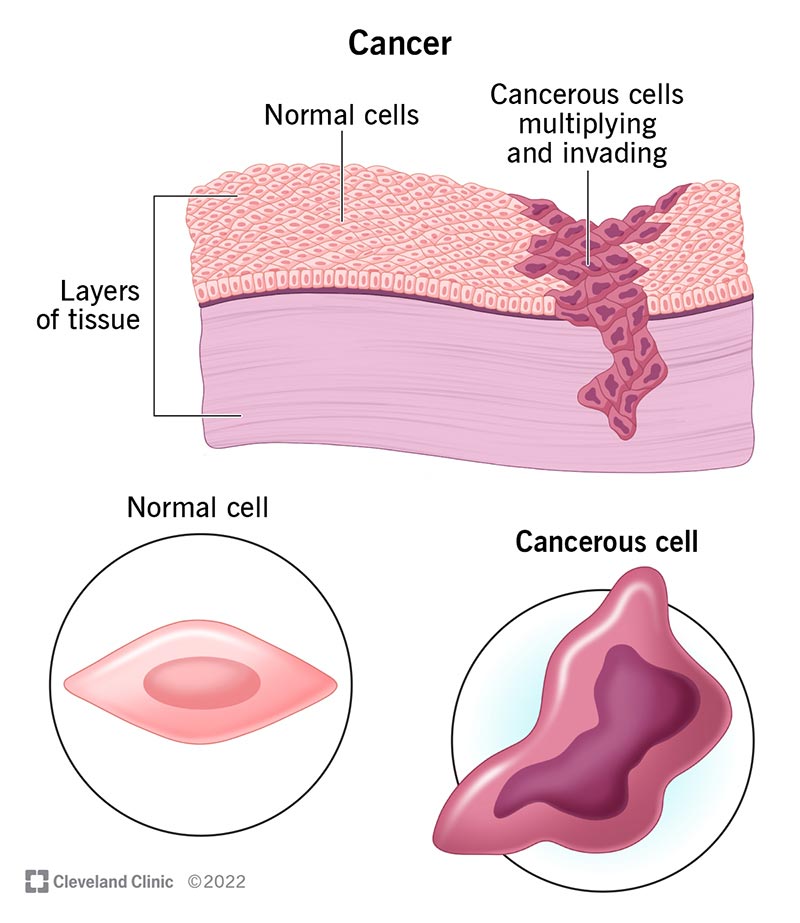
Breast cancer is one of the most prevalent types of cancer among women, although it can also affect men. It originates from the cells in the breast tissue. Breast cancer can be categorized into various subtypes based on the specific cells involved and the presence or absence of certain receptors.
7.1. Ductal carcinoma in situ
Ductal carcinoma in situ (DCIS) is a non-invasive breast cancer that begins in the milk ducts and has not spread beyond the ductal system. While it is often considered the earliest stage of breast cancer, DCIS is not always a precursor to invasive breast cancer. Treatment options for DCIS may include surgery, radiation therapy, and hormonal therapy.
7.2. Lobular carcinoma in situ
Lobular carcinoma in situ (LCIS) is a condition in which abnormal cells are found in the lobules of the breast. Unlike DCIS, LCIS is not considered a true cancer but rather a marker for increased risk of developing invasive breast cancer in the future. Surveillance and risk reduction strategies are often recommended for individuals with LCIS.
7.3. Invasive ductal carcinoma
Invasive ductal carcinoma (IDC) is the most common type of breast cancer, accounting for approximately 80% of all cases. It begins in the milk ducts of the breast and can spread to nearby lymph nodes and other tissues. IDC may present as a lump, changes in breast shape, nipple discharge, or skin changes. Treatment options for IDC depend on the stage of the cancer and may include surgery, radiation therapy, chemotherapy, hormonal therapy, and targeted therapy.
7.4. Invasive lobular carcinoma
Invasive lobular carcinoma (ILC) is a less common type of breast cancer, accounting for approximately 10-15% of all cases. It originates in the lobules of the breast and can spread to other parts of the body. ILC often does not form a well-defined lump, making it more challenging to detect through mammography. Treatment options for ILC are similar to those for IDC and may include surgery, radiation therapy, chemotherapy, hormonal therapy, and targeted therapy.
7.5. Triple-negative breast cancer
Triple-negative breast cancer (TNBC) refers to a subtype of breast cancer that lacks the three most common receptors found in breast cancer cells: estrogen receptor (ER), progesterone receptor (PR), and human epidermal growth factor receptor 2 (HER2). TNBC is generally more aggressive and challenging to treat compared to other types of breast cancer. Treatment options for TNBC may include surgery, radiation therapy, chemotherapy, and targeted therapy.
8. Lung Cancer
Lung cancer is one of the leading causes of cancer-related deaths worldwide. It develops in the cells of the lungs and can be categorized into two main types: non-small cell lung cancer (NSCLC) and small cell lung cancer (SCLC).
8.1. Non-small cell lung cancer
Non-small cell lung cancer (NSCLC) is the most common type of lung cancer, accounting for approximately 85% of all cases. It encompasses several subtypes, including adenocarcinoma and squamous cell carcinoma. NSCLC often spreads more slowly than SCLC and is often detected in the advanced stages. Treatment options for NSCLC depend on the stage, extent, and characteristics of the cancer and may include surgery, radiation therapy, chemotherapy, targeted therapy, and immunotherapy.
8.2. Small cell lung cancer
Small cell lung cancer (SCLC) is a less common but highly aggressive type of lung cancer. It typically originates in the bronchi, the large airways within the lungs. SCLC is often associated with smoking and tends to spread quickly to other parts of the body. Treatment for SCLC usually involves a combination of chemotherapy and radiation therapy. Surgery may be an option for early-stage SCLC in select cases.
8.3. Squamous cell carcinoma
Squamous cell carcinoma is a subtype of non-small cell lung cancer that primarily affects the cells lining the airways in the lungs. It commonly develops in the central part of the lungs, near the bronchi. Squamous cell carcinoma is often linked to a history of smoking. Treatment options for squamous cell carcinoma depend on the stage and extent of the cancer and may involve surgery, radiation therapy, chemotherapy, targeted therapy, and immunotherapy.
8.4. Adenocarcinoma
Adenocarcinoma is the most common type of lung cancer and accounts for a significant proportion of non-small cell lung cancers. It typically develops in the glandular cells lining the smaller airways or the peripheral areas of the lungs. Adenocarcinoma has been associated with both smoking and non-smoking individuals. Treatment options for adenocarcinoma depend on the stage and characteristics of the cancer and may include surgery, radiation therapy, chemotherapy, targeted therapy, and immunotherapy.

9. Colorectal Cancer
Colorectal cancer refers to cancers that develop in the colon or rectum, which are parts of the digestive system. It typically begins as a polyp, a small growth on the inner lining of the colon or rectum, and can progress to become cancerous if left untreated.
9.1. Colon cancer
Colon cancer specifically refers to cancer that originates in the colon, which is the large intestine. It commonly starts as a polyp and may remain asymptomatic in the early stages. Symptoms of colon cancer can include a change in bowel habits, rectal bleeding, abdominal pain, and unintended weight loss. Treatment options for colon cancer depend on the stage and location of the cancer and may involve surgery, chemotherapy, radiation therapy, and targeted therapy.
9.2. Rectal cancer
Rectal cancer begins in the rectum, which is the last part of the colon. Like colon cancer, it often starts as a polyp and can cause symptoms such as rectal bleeding, changes in bowel habits, abdominal pain, and unintended weight loss. Treatment options for rectal cancer are similar to those for colon cancer and may include surgery, chemotherapy, radiation therapy, and targeted therapy.
10. Prostate Cancer
Prostate cancer is a type of cancer that occurs in the prostate gland, a small walnut-sized gland that produces seminal fluid in males. It is one of the most common types of cancer in men.
10.1. Adenocarcinoma
Adenocarcinoma is the most common type of prostate cancer, accounting for nearly all cases. It occurs in the glandular cells that line the prostate. Early-stage prostate cancer may not cause noticeable symptoms, but as it progresses, it can lead to issues such as difficulty urinating, blood in the urine or semen, and erectile dysfunction. Treatment options for prostate cancer depend on the stage of the cancer and may include active surveillance, surgery, radiation therapy, hormone therapy, chemotherapy, and immunotherapy.
10.2. Small cell carcinoma
Small cell carcinoma of the prostate is a rare subtype of prostate cancer, accounting for less than 1% of cases. It is an aggressive form of cancer that tends to grow and spread quickly. Small cell carcinoma of the prostate often requires intensive treatment, including chemotherapy and radiation therapy. Surgical options are limited due to the aggressive nature of the tumor.
10.3. Neuroendocrine tumors
Neuroendocrine tumors (NETs) of the prostate are rare and usually high-grade tumors that arise from the neuroendocrine cells of the prostate gland. NETs of the prostate can be aggressive and have a tendency to spread to other parts of the body. Treatment options for neuroendocrine tumors of the prostate are similar to those for small cell carcinoma and may include chemotherapy, radiation therapy, and targeted therapy.
In conclusion, cancer encompasses a vast array of diseases, each with its unique characteristics and treatment approaches. Understanding the different types of cancer and their subtypes can help individuals affected by cancer navigate their diagnosis, treatment options, and recovery journey. It is essential to consult with healthcare professionals for accurate diagnosis, personalized treatment plans, and ongoing support. Remember, early detection and proactive management play a crucial role in improving outcomes and increasing the chances of successful treatment. Stay informed, practice healthy lifestyle habits, and engage in regular screenings to promote optimal well-being and reduce the risk of cancer.