
In this article, you will discover the latest advancements in research on Celiac Disease. With an increasing understanding of this autoimmune condition, scientists and medical professionals have made significant progress in identifying its causes, developing diagnostic tools, and exploring potential treatments. Stay tuned to learn how these exciting breakthroughs are shaping the future of Celiac Disease management and ultimately improving the lives of those affected by this chronic disorder.
Celiac Disease Research Advances
1. Introduction to Celiac Disease
Celiac disease is an autoimmune disorder characterized by an immune reaction to gluten, a protein found in wheat, barley, and rye. When individuals with celiac disease consume gluten, it triggers an immune response that damages the small intestine. This damage can lead to various symptoms and long-term complications. However, recent research advancements have shed light on the prevalence, diagnosis, understanding, treatment, and future directions of celiac disease.
2. Prevalence of Celiac Disease
Celiac disease is more common than previously thought. It was once believed to be a rare condition, but studies have shown that it affects approximately 1% of the global population. However, the prevalence varies across different regions and ethnic groups. In certain populations, such as individuals with first-degree relatives who have celiac disease, the risk of developing the condition is significantly higher. Emerging research suggests that the prevalence of celiac disease may be increasing, emphasizing the need for improved awareness and diagnosis.
3. Diagnosing Celiac Disease
Accurate diagnosis of celiac disease is crucial to ensure appropriate management and prevent complications. The diagnosis primarily involves evaluating a combination of symptoms, serologic tests, and small intestinal biopsy.
3.1. Symptoms and Clinical Presentation
Celiac disease presents with a wide range of symptoms, making it challenging to diagnose. Common symptoms include gastrointestinal issues such as abdominal pain, diarrhea, and bloating, as well as fatigue, weight loss, and nutrient deficiencies. However, some individuals may experience atypical symptoms or be entirely asymptomatic. Recognizing the diverse clinical presentation of celiac disease is vital to prevent delays in diagnosis and treatment.
3.2. Serologic Tests
Serologic tests play a significant role in screening and diagnosing celiac disease. The detection of specific antibodies, such as anti-tissue transglutaminase (TTG) and anti-endomysial antibodies (EMA), can help identify individuals at risk for celiac disease. These tests are highly sensitive and specific, aiding in the identification of cases that require further evaluation through small intestinal biopsy.
3.3. Small Intestinal Biopsy
Small intestinal biopsy remains the gold standard for confirming the diagnosis of celiac disease. During this procedure, a small tissue sample is obtained from the small intestine and examined for characteristic changes associated with the disease. The biopsy allows for the evaluation of the severity of intestinal damage and the presence of other associated conditions. However, it is essential to maintain a gluten-containing diet before undergoing biopsy to ensure accurate results.
4. Advances in Understanding Celiac Disease
Research has significantly advanced our understanding of the underlying mechanisms and risk factors associated with celiac disease. Recent studies have focused on genetics, pathogenesis, environmental triggers, and the role of the microbiome.
4.1. Genetics and Pathogenesis
Genetic factors play a crucial role in the development of celiac disease. The presence of specific human leukocyte antigen (HLA) genes, particularly HLA-DQ2 and HLA-DQ8, is strongly associated with the disease. However, not all individuals carrying these genes develop celiac disease, suggesting the importance of additional environmental triggers.
Furthermore, research has elucidated the pathogenesis of celiac disease, highlighting the role of the immune system in the development of intestinal damage. The immune response triggered by gluten peptides leads to the activation of T cells and the release of inflammatory cytokines, ultimately causing the destruction of the intestinal villi.
4.2. Environmental Triggers
While genetic susceptibility is a key factor in celiac disease, environmental triggers also play a significant role. Studies have identified various factors that may contribute to the onset of celiac disease, including the timing and amount of gluten exposure during infancy, breastfeeding practices, and the composition of the infant’s gut microbiota. Understanding these environmental triggers can help develop strategies for primary prevention and intervention.
4.3. Role of Microbiome
The gut microbiome has emerged as a crucial player in the development and progression of celiac disease. Altered microbial composition and diversity have been observed in individuals with celiac disease, suggesting a link between dysbiosis and disease pathogenesis. Furthermore, early-life perturbations in the gut microbiota composition may affect immune development and increase the risk of developing celiac disease. Research in this area holds promise for potential therapeutic interventions targeting the microbiome.
5. Gluten-Free Diet and Beyond
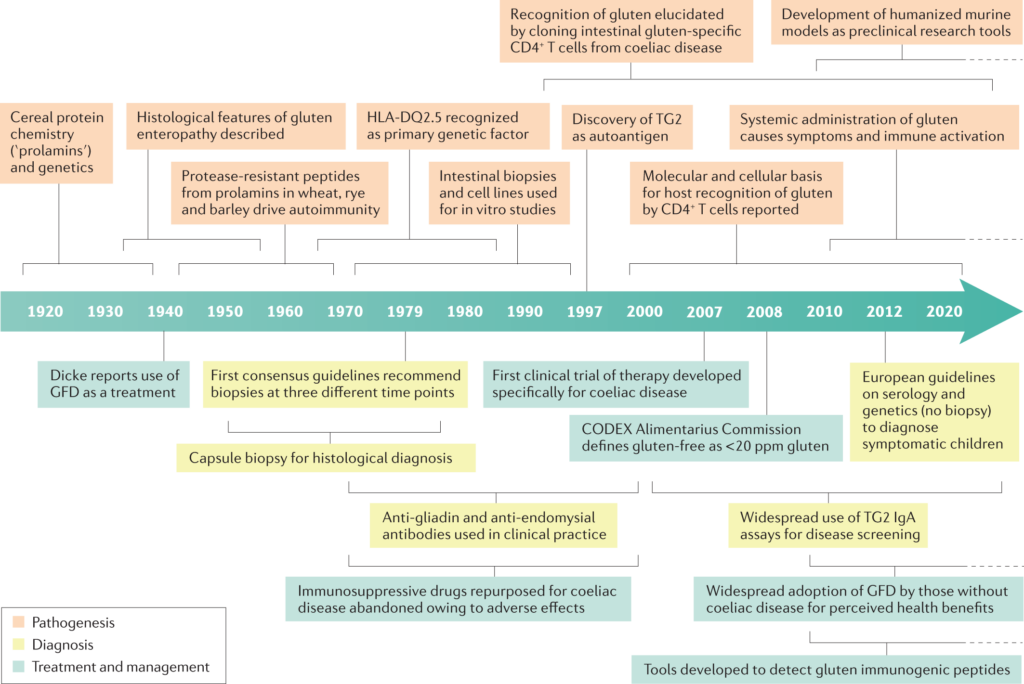
The cornerstone of celiac disease management is a strict gluten-free diet. Avoiding gluten-containing foods is essential to alleviate symptoms, promote intestinal healing, and prevent long-term complications. However, compliance with a gluten-free diet can be challenging and may lead to nutritional deficiencies and reduced quality of life. Consequently, research has focused on developing alternative treatment strategies.
5.1. Gluten-Free Diet as a Treatment
A gluten-free diet involves avoiding all sources of gluten, including regular bread, pasta, and cereal products. Instead, individuals with celiac disease must consume gluten-free alternatives made from ingredients such as rice, corn, and potatoes. Following a gluten-free diet can result in significant improvements in symptoms and histological recovery of the small intestine.
However, maintaining a strict gluten-free diet can be burdensome, as gluten is found in numerous food products, medications, and even non-food items. The risk of unintentional gluten exposure and cross-contamination poses a significant challenge, calling for improved food labeling regulations and gluten detection methods.
5.2. Non-Dietary Therapies
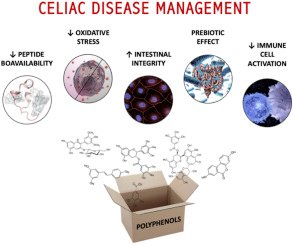
Researchers are actively exploring non-dietary therapies that can complement or potentially replace the gluten-free diet for individuals with celiac disease. These therapies aim to target the immune response or prevent gluten from damaging the small intestine. Promising avenues of research include enzyme-based treatments to break down gluten, immunomodulatory drugs, and intestinal barrier-strengthening agents. While these therapies are still in the early stages of development, they hold potential for significantly improving the quality of life for those with celiac disease.
6. Challenges and Future Directions
Although significant progress has been made in celiac disease research, several challenges and future directions remain.
6.1. Gluten Contamination
One of the primary challenges faced by individuals with celiac disease is gluten contamination in food. Even small amounts of gluten can trigger an immune response and cause damage to the small intestine. Stricter regulations and improved gluten detection methods are needed to ensure the safety of gluten-free food products and prevent accidental gluten exposure.
6.2. Improvements in Diagnostic Methods
While serologic tests and small intestinal biopsy are currently used for diagnosing celiac disease, there is a need for more accurate and less invasive diagnostic methods. Researchers are exploring novel approaches, such as the development of specific biomarkers and non-invasive imaging techniques, to improve the diagnosis and monitoring of celiac disease.
6.3. Developing Therapies for Gluten Intolerance
The development of therapies targeting gluten intolerance is a promising area of research. Efforts are underway to develop medications that can degrade gluten more efficiently, modulate the immune response, or enhance the integrity of the intestinal barrier. These therapeutic approaches, if successful, could revolutionize the management of celiac disease and provide alternatives to a strict gluten-free diet.

7. Conclusion
Celiac disease research has made substantial progress in understanding the prevalence, diagnosis, mechanisms, and treatment of the condition. Advances in genetics, pathogenesis, and the role of environmental triggers and the microbiome have enhanced our knowledge of celiac disease development and progression. While a gluten-free diet remains the primary treatment, non-dietary therapies offer hope for individuals with celiac disease. However, challenges such as gluten contamination and the need for improved diagnostic methods and therapeutic options remain. Continued research and collaboration hold the promise of improving the lives of individuals with celiac disease and ultimately finding a cure.