
Living with Celiac Disease can be challenging, yet manageable with the right information and support. This article explores the realities of living with Celiac Disease, a genetic autoimmune disorder triggered by gluten consumption. From understanding the symptoms and diagnosis process, to navigating a gluten-free lifestyle, you’ll gain insights into the daily life of someone with Celiac Disease and discover helpful tips for managing this condition effectively. Whether you have recently been diagnosed or are looking to support a loved one, this article is a friendly guide to living a fulfilling and healthy life with Celiac Disease.

What is Celiac Disease?
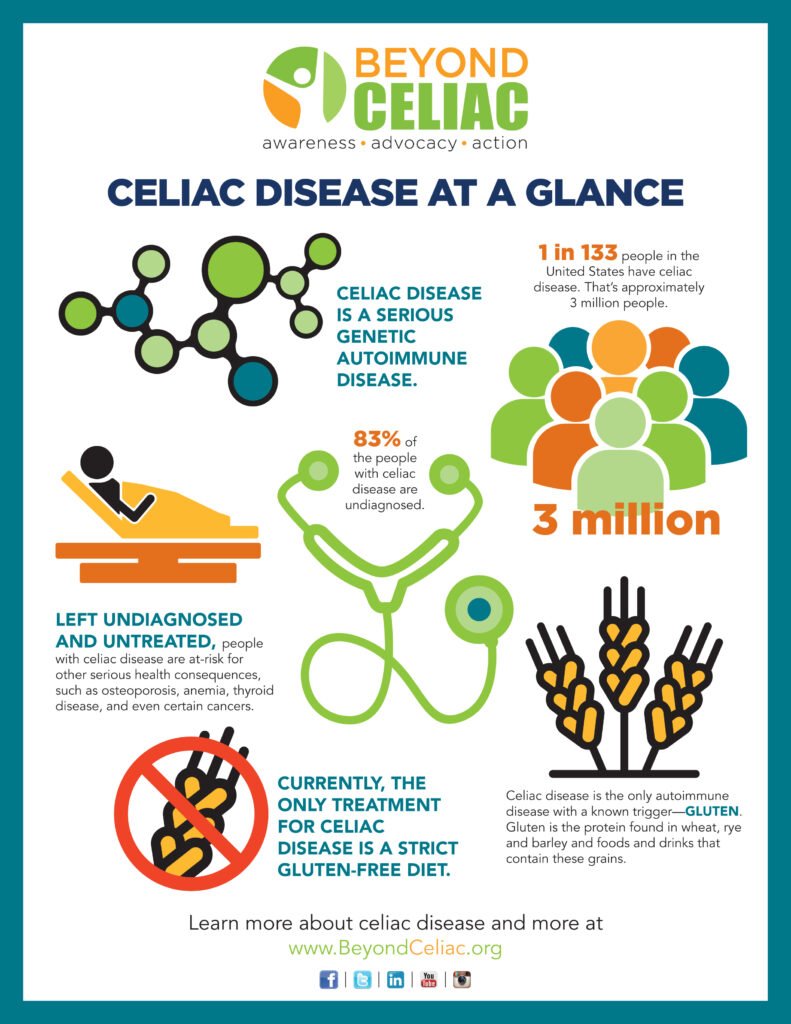
Celiac Disease is an autoimmune disorder in which the immune system reacts with gluten, a protein found in wheat, barley, and rye. When someone with Celiac Disease consumes gluten, it triggers an immune response that damages the lining of the small intestine. This, in turn, affects the body’s ability to absorb nutrients from food.
Definition
Celiac Disease is characterized by chronic inflammation of the small intestine and can lead to various symptoms and complications if left untreated. It is important to note that Celiac Disease is not a food allergy or intolerance, but rather an autoimmune condition.
Causes
The exact cause of Celiac Disease is unknown, but it is believed to be a combination of genetic, environmental, and immunological factors. People with certain genes, such as HLA-DQ2 and HLA-DQ8, are more predisposed to developing Celiac Disease. It is thought that a trigger, such as a viral infection, severe emotional stress, or pregnancy, can activate the immune response to gluten in susceptible individuals.
Prevalence
Celiac Disease affects approximately 1% of the global population, but it is often underdiagnosed or misdiagnosed. It can occur at any age, from infancy to adulthood. While it is more common in people of European descent, it can affect individuals from any ethnic background. Women are also more likely to be diagnosed with Celiac Disease than men.
Symptoms of Celiac Disease
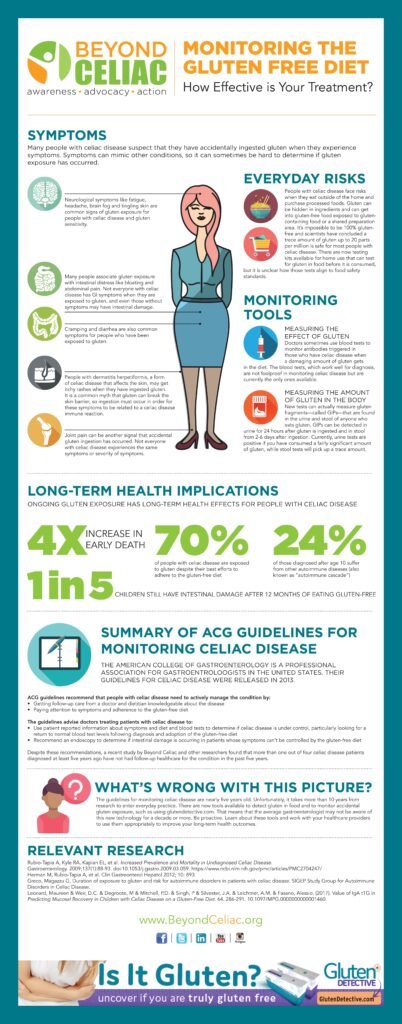
The symptoms of Celiac Disease can vary widely from person to person and can affect different parts of the body. They can be categorized into digestive symptoms, non-digestive symptoms, and atypical symptoms.
Digestive Symptoms
Digestive symptoms of Celiac Disease may include abdominal pain, bloating, diarrhea, constipation, and vomiting. These symptoms are often triggered by the consumption of gluten-containing foods.
Non-Digestive Symptoms
Non-digestive symptoms of Celiac Disease can manifest in various ways, including fatigue, joint pain, anemia, infertility, osteoporosis, skin rashes, and mouth ulcers. These symptoms can sometimes be the only indication of Celiac Disease, leading to delayed or missed diagnosis.
Atypical Symptoms
Atypical symptoms of Celiac Disease refer to symptoms that do not directly involve the digestive system. These can include neurological symptoms such as headaches, migraines, numbness, and difficulty concentrating. Additionally, some individuals may experience depression, anxiety, or other mood disorders as a result of Celiac Disease.
Diagnosis and Testing
The diagnosis of Celiac Disease involves a combination of different tests to confirm the presence of the condition.
Blood Tests
Blood tests can be used to detect certain antibodies that are elevated in individuals with Celiac Disease. The most common blood test used is the tissue transglutaminase antibody (tTG-IgA) test, which measures the levels of this antibody in the blood.
Intestinal Biopsy
An intestinal biopsy is considered the gold standard for diagnosing Celiac Disease. During this procedure, a small sample of tissue is taken from the lining of the small intestine and examined under a microscope. The presence of damage to the villi, small finger-like projections in the intestine, is indicative of Celiac Disease.
Genetic Testing
Genetic testing can determine if someone has the genetic predisposition for Celiac Disease. However, it is important to note that having the genetic markers does not necessarily mean a person will develop the condition. Genetic testing is often used in conjunction with other diagnostic tests to aid in the diagnosis of Celiac Disease.
Gluten-Free Diet
The only effective treatment for Celiac Disease is a lifelong adherence to a gluten-free diet. Gluten is found in wheat, barley, rye, and their derivatives, so it is important to understand which foods to avoid.
Understanding Gluten
Gluten is a protein that gives elasticity to dough and helps baked goods maintain their shape. It is found in many common foods, such as bread, pasta, cereals, and pastries. It can also be present in unexpected places, such as soups, sauces, and processed foods.
Foods to Avoid
In order to maintain a gluten-free diet, it is important to avoid any foods containing wheat, barley, rye, and their derivatives. This includes products made with flour, such as bread, pasta, and pastries. It is also important to be cautious of cross-contamination, as even small traces of gluten can be harmful.
Safe and Unsafe Ingredients
Label reading becomes crucial when following a gluten-free diet. While some ingredients, such as wheat, barley, and rye, are obvious red flags, others may be less noticeable. It is important to familiarize yourself with safe and unsafe ingredients to avoid any inadvertent consumption of gluten.

Living with Celiac Disease
Living with Celiac Disease can present certain challenges, but with proper knowledge and planning, it is possible to lead a healthy and fulfilling life.
Gluten-Free Shopping
When grocery shopping, it is important to carefully read labels and choose products that are certified gluten-free. Many stores now have dedicated gluten-free sections, making it easier to find suitable products. Additionally, it is helpful to stick to whole, unprocessed foods to reduce the risk of hidden sources of gluten.
Meal Planning
Meal planning is an essential part of managing Celiac Disease. It can help ensure a well-balanced diet and minimize the risk of accidental gluten consumption. By planning meals in advance and preparing gluten-free options, you can feel confident in your food choices.
Cross-Contamination Prevention
Cross-contamination occurs when gluten comes into contact with gluten-free foods. This can happen during food preparation, cooking, or even storage. To prevent cross-contamination, it is important to have dedicated kitchen utensils, cookware, and storage containers for gluten-free foods. Additionally, it is important to communicate your dietary needs to family members, roommates, or anyone else who may be involved in food preparation.
Eating Out with Celiac Disease
Eating out can be a challenge for individuals with Celiac Disease, but with careful planning and communication, it is possible to enjoy meals outside of the home.
Researching Restaurants
Before choosing a restaurant, it is helpful to do some research. Many restaurants now offer gluten-free options or have dedicated gluten-free menus. Online resources and apps can provide valuable information about restaurants that cater to individuals with Celiac Disease.
Communicating with Servers
When dining out, it is important to communicate your dietary needs to the server. Explain that you have Celiac Disease and require a gluten-free meal. Ask about the restaurant’s practices for avoiding cross-contamination and make sure they understand the importance of preparing your meal separately.
Travel Tips
Traveling can present unique challenges for individuals with Celiac Disease, but with a little extra planning, it is possible to navigate unfamiliar food environments. Researching gluten-free options at your destination, packing gluten-free snacks, and having a plan for emergencies can help ensure a safe and enjoyable trip.
Managing Social Situations
Living with Celiac Disease can sometimes make social situations more challenging, but there are strategies that can help navigate these scenarios.
Educating Friends and Family
It is important to educate your friends and family about Celiac Disease and the importance of adhering to a gluten-free lifestyle. Provide them with information about the condition and explain how it affects your health. By helping them understand, they can better support you in social situations.
Attending Parties and Events
Attending parties or events where food is served can be difficult, as many of the options may contain gluten. In these situations, it can be helpful to communicate with the host in advance and offer to bring a gluten-free dish to share. This ensures that you have something safe to eat and helps create awareness among others.
Coping Strategies
Living with Celiac Disease can sometimes be emotionally challenging. Coping with the limitations of a gluten-free diet and the social implications can be overwhelming. It is important to find healthy ways to cope, such as seeking support from others, practicing self-care, and focusing on the positive aspects of a gluten-free lifestyle.
Celiac Disease and Other Medical Conditions
Celiac Disease is known to be associated with other medical conditions, and it is important to be aware of these potential complications.
Autoimmune Disorders
Individuals with Celiac Disease have a higher risk of developing other autoimmune disorders, such as type 1 diabetes, rheumatoid arthritis, and autoimmune thyroid disease. It is important to be vigilant for any new symptoms and monitor for the presence of additional medical conditions.
Dermatitis Herpetiformis
Dermatitis Herpetiformis is a skin condition characterized by itchy, blistering rashes. It is often associated with Celiac Disease and is caused by the same immune response to gluten. If you experience persistent skin rashes, it is important to consult with a dermatologist to determine if Dermatitis Herpetiformis is present.
Bone Health
Celiac Disease can affect the absorption of important nutrients, such as calcium and vitamin D, which are essential for bone health. This can increase the risk of osteoporosis and fractures. It is important to monitor bone health and discuss any concerns with a healthcare professional.

Pregnancy and Celiac Disease
Celiac Disease can have implications for pregnancy and breastfeeding, and it is important to receive appropriate care and support during these times.
Fertility Issues
Studies have shown that women with untreated Celiac Disease may have difficulty conceiving or have an increased risk of miscarriage. However, with a gluten-free diet and proper management of the condition, fertility can improve. It is important to discuss any concerns with a healthcare provider.
Prenatal Care
During pregnancy, it is essential to continue following a strict gluten-free diet to ensure both the health of the mother and the developing baby. Regular prenatal care visits with a healthcare provider experienced in managing Celiac Disease are important to monitor the pregnancy and address any potential issues.
Breastfeeding
Breastfeeding is encouraged for women with Celiac Disease, as breast milk is naturally gluten-free. However, it is important for the mother to maintain a strict gluten-free diet to prevent any transfer of gluten to the baby. If there are concerns about potential gluten exposure, it is important to consult with a healthcare provider.
Support and Resources
Living with Celiac Disease can be challenging, but there are numerous support groups, online communities, and resources available to provide help and guidance.
Celiac Support Groups
Joining a Celiac support group can provide emotional support, as well as a wealth of knowledge and shared experiences. These groups often host meetings, educational events, and provide resources to help individuals navigate life with Celiac Disease.
Online Communities
Online communities dedicated to Celiac Disease provide a platform for individuals to connect, share information, and seek advice. These communities can be a valuable source of support, especially for those who may not have access to local support groups.
Recipes and Cookbooks
Finding delicious and safe gluten-free recipes is an important part of managing Celiac Disease. There are numerous cookbooks and online resources available that cater specifically to a gluten-free lifestyle. These resources can help individuals create satisfying and nourishing meals while adhering to a gluten-free diet.
In conclusion, Celiac Disease is an autoimmune disorder that affects the small intestine’s ability to absorb nutrients due to a reaction to gluten. It can cause a wide range of symptoms and complications if left untreated. Diagnosis involves various tests, such as blood tests, intestinal biopsies, and genetic testing. Treatment involves following a strict gluten-free diet, which requires education, meal planning, and navigating social situations. Support groups, online communities, and resources are available to provide assistance and guidance for living with Celiac Disease.