Have you ever wondered what causes macular degeneration and what symptoms you should look out for? Macular degeneration is a common eye condition that can be a significant cause of vision loss in adults over the age of 50. This article will provide you with a brief overview of the causes and symptoms of macular degeneration, shedding light on this condition that affects millions of individuals worldwide. Whether you’re proactively seeking information or simply curious about this eye disease, read on to understand the key factors contributing to macular degeneration and how it can manifest in your vision.
Macular Degeneration: Causes and Symptoms
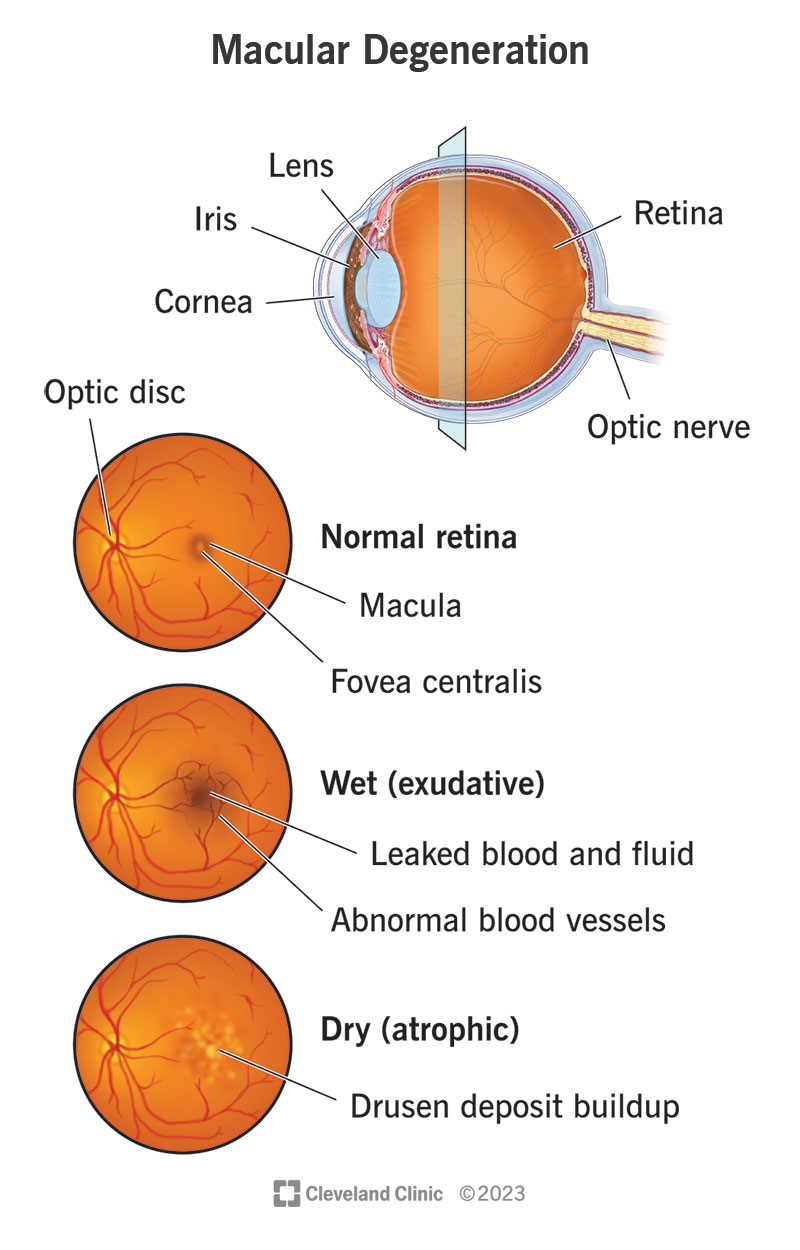
Macular degeneration, also known as age-related macular degeneration (AMD), is a chronic eye disease that affects the macula – the central part of the retina responsible for sharp, detailed vision. It is a progressive condition that can cause significant vision loss, making it difficult to perform daily tasks like reading, driving, and recognizing faces. Understanding the causes and symptoms of macular degeneration is crucial for early detection and effective management.

Causes
-
Age-related macular degeneration (AMD): The most common cause of macular degeneration is AMD, which mainly affects older adults. As you age, the macula thins and degenerates, leading to vision impairment. The exact reason behind this age-related degeneration is not fully understood, but factors like oxidative stress and inflammation play a role.
-
Genetic factors: Macular degeneration can also have a genetic component. Certain gene variations increase the risk of developing the condition. If you have a family history of macular degeneration, your likelihood of developing it is higher.
-
Environmental factors: Various environmental factors can contribute to the development and progression of macular degeneration. Smoking, excessive sun exposure, and a poor diet lacking in antioxidants and other essential nutrients can increase your risk of developing the disease.
Symptoms
Recognizing the symptoms of macular degeneration is crucial for seeking early intervention and treatment. Although symptoms vary depending on the type and stage of macular degeneration, some common signs include:
-
Blurred or distorted vision: Straight lines may appear wavy, and objects may appear blurry or hazy.
-
Loss of central vision: The central portion of your visual field becomes increasingly blurry, making it difficult to focus on specific details.
-
Difficulty recognizing faces: People affected by macular degeneration may find it challenging to recognize faces, even of familiar individuals.
-
Dark or empty areas in central vision: You may notice dark spots or areas of missing vision in the center of your visual field.
-
Color perception changes: Colors may appear faded, less vibrant, or distorted.

Types
There are two main types of macular degeneration:
-
Dry macular degeneration: This is the most common type, accounting for about 85-90% of cases. In dry macular degeneration, small yellow deposits called drusen form beneath the macula, causing it to deteriorate gradually. This leads to a gradual loss of central vision.
-
Wet macular degeneration: Although less common, wet macular degeneration is more severe. Abnormal blood vessels grow beneath the macula, leaking fluid and blood, further damaging the macula and causing rapid vision loss. If left untreated, wet macular degeneration can lead to severe visual impairment.
Risk Factors
Several risk factors increase the likelihood of developing macular degeneration. These include:
-
Age: The risk of developing macular degeneration increases with age. It is most common in individuals over the age of 60.
-
Family history: Having a family history of macular degeneration can significantly increase your risk of developing the condition.
-
Smoking: Smoking cigarettes doubles the risk of developing macular degeneration. The toxic chemicals in tobacco smoke can damage the blood vessels in the retina, leading to vision loss.
-
Gender: Women are more likely to develop macular degeneration than men.
-
Race: Macular degeneration is more common in Caucasians, although it can affect individuals of any race.
-
High blood pressure: Uncontrolled high blood pressure can increase the risk of macular degeneration.
-
Obesity: Being overweight or obese is associated with an increased risk of developing macular degeneration.
-
Cardiovascular disease: Conditions like heart disease and stroke can contribute to the development of macular degeneration.
-
Light eye color: People with light-colored eyes, such as blue or green, are at a higher risk of macular degeneration compared to those with darker eyes.
-
Excessive sun exposure: Prolonged exposure to harmful UV rays from the sun can damage the retina and increase the risk of macular degeneration.
Diagnosis
To diagnose macular degeneration, eye care professionals employ various tests and examinations. Some common diagnostic methods include:
-
Comprehensive eye exam: Your eye doctor will perform a thorough examination of your eyes, checking your visual acuity and examining the retina for any abnormalities.
-
Visual acuity test: This test measures how well you can see at a distance using an eye chart.
-
Dilated eye exam: By dilating your pupils with eye drops, your doctor can get a better view of the back of your eye and examine the macula for signs of degeneration.
-
Optical coherence tomography (OCT): This non-invasive imaging test provides detailed cross-sectional images of the retina, allowing your doctor to assess the thickness and integrity of the macula.
-
Fluorescein angiography: In this test, a dye is injected into your arm, and as it circulates through your blood vessels, specialized photographs capture the dye’s movement in the retina. It helps identify abnormal blood vessel growth.
-
Indocyanine green angiography: Similar to fluorescein angiography, this test uses a different dye to visualize blood flow in the deeper layers of the retina.
Prevention
While macular degeneration is not entirely preventable, certain lifestyle choices and habits can help minimize the risk or delay the onset of the condition:
-
Healthy lifestyle choices: Maintaining a well-rounded, nutritious diet rich in fruits, vegetables, Omega-3 fatty acids, and antioxidants can support eye health and reduce macular degeneration risk.
-
Regular eye exams: Comprehensive eye exams should be part of your routine healthcare. They can help detect macular degeneration in its early stages, enabling timely intervention.
-
Protective eyewear: Wear sunglasses that block out harmful UV rays and protective eyewear when necessary to shield your eyes from potential injury.
-
Dietary changes: If you have a high risk of macular degeneration, your eye doctor may recommend specific dietary modifications and supplements to support eye health.
-
Exercise: Regular physical activity promotes overall health and circulatory function, which can be beneficial for reducing the risk of macular degeneration.
-
Smoking cessation: If you smoke, quitting is highly recommended. Smoking is a major modifiable risk factor for macular degeneration and other eye diseases.

Treatment
Although there is no known cure for macular degeneration, several treatment options are available to manage the condition and prevent further vision loss:
-
Anti-VEGF therapy: Injections of anti-vascular endothelial growth factor (VEGF) drugs can help block the abnormal blood vessel growth in wet macular degeneration, preventing further damage to the retina.
-
Photodynamic therapy: This involves injecting a light-activated drug into a vein, which then selectively damages the abnormal blood vessels in wet macular degeneration.
-
Laser surgery: Laser surgery can be used to seal leaking blood vessels or remove abnormal blood vessel growth in the retina to prevent further vision loss.
-
Vitamins and supplements: Certain high-dose vitamin and mineral supplements, such as antioxidant vitamins A, C, E, zinc, and copper, may help slow the progression of macular degeneration.
-
Low-vision aids: Devices such as magnifying glasses, telescopic lenses, and electronic reading aids can assist individuals with macular degeneration in maximizing their remaining vision.
-
Submacular surgery: In rare cases, submacular surgery may be performed to remove blood or scar tissue from the macula in wet macular degeneration.
Complications
Macular degeneration can lead to several complications that significantly impact daily life and overall well-being:
-
Loss of central vision: The most significant complication of macular degeneration is the loss of central vision, which can make activities like reading, driving, and recognizing faces extremely challenging.
-
Legal blindness: Advanced macular degeneration can lead to legal blindness, significantly limiting a person’s ability to live independently and perform everyday tasks.
-
Depression and social isolation: The visual impairment caused by macular degeneration can lead to feelings of sadness, frustration, and isolation. Proper support and intervention are crucial to address these emotional challenges.
-
Increased risk of falls and accidents: The loss of central vision can increase the risk of falls and accidents, especially in older adults. Maintaining a safe living environment and using appropriate aids can help reduce this risk.

Current Research
Medical advancements and ongoing research offer hope for improved treatments and interventions for macular degeneration. Some current areas of research include:
-
Stem cell therapy: Researchers are exploring the use of stem cells to replace damaged retinal cells and restore vision in individuals with macular degeneration.
-
Gene therapy: Gene therapy aims to correct or prevent genetic mutations associated with macular degeneration.
-
Artificial retinal implants: Scientists are developing retinal prostheses and implants that can restore vision by transmitting visual information to the brain.
-
Nanotechnology advancements: Nanotechnology-based treatments and drug delivery systems hold promise for more effective and targeted treatment options for macular degeneration.
-
Drug development: Ongoing research aims to discover new drugs and treatment options to slow down the progression of macular degeneration and preserve vision.
Support and Resources
Living with macular degeneration can be challenging, but there are support systems and resources available to assist both patients and their families:
-
Macular Degeneration Foundation: This nonprofit organization provides information, resources, and support for individuals affected by macular degeneration.
-
Support groups: Joining a local or online support group can provide an opportunity to connect with others facing similar challenges and share experiences.
-
Low-vision rehabilitation services: These services offer specialized training, devices, and techniques to help individuals with macular degeneration adapt to their visual impairment and maintain independence.
-
Government assistance programs: Various government assistance programs provide financial support and resources for individuals with visual impairments.
-
Online resources: Numerous websites and online forums provide valuable information, tips for coping with macular degeneration, and links to additional support services.
In conclusion, understanding the causes, symptoms, and management options for macular degeneration is crucial for maintaining eye health and preserving vision. By adopting a healthy lifestyle, undergoing regular eye exams, and seeking timely treatment, you can take steps to prevent or mitigate the impact of macular degeneration on your life. Remember to consult with your eye care professional for personalized advice and guidance regarding your specific condition.